Inquiry
Form loading...

2026 Top Automotive Filter Manufacturers for Global Buyers

The 2026 automotive supply chain is demanding cleaner air, longer service intervals, and dependable filtration under harsher operating conditions. Automotive Filter manufacturers now serve passenger cars, commercial fleets, electric vehicles, and hybrid platforms. Their products include engine air filters, oil filters, fuel filters, cabin filters, and battery cooling filtration systems.

Market forecasts show sustained expansion, although the figures vary. MarketsandMarkets estimates the global automotive filters market could grow from about USD 19 billion in 2023 to more than USD 24 billion by 2028. Grand View Research also reports steady growth through 2030, supported by vehicle production, emission controls, and replacement demand. These differences reveal an important weakness: market definitions are not always consistent. Buyers should inspect the methodology behind every forecast.

Donaldson CEO Tod Carpenter has described filtration’s purpose clearly: “We are in the business of protecting people, equipment and the environment.” That principle remains practical for global purchasing teams. A reliable supplier must provide stable micron ratings, tested pressure performance, traceable materials, and regional technical support. It must also manage delivery risks across multiple manufacturing locations.

This guide identifies the 2026 Top Automotive Filter Manufacturers for Global Buyers. It considers product breadth, manufacturing capacity, certification evidence, aftermarket reach, innovation, and customer support. Price matters, but it cannot replace documented performance. Not every large supplier fits every vehicle program. A smaller manufacturer may offer faster engineering cooperation, while a global group may provide stronger continuity.

The comparison is useful, not perfect. Local regulations, fleet conditions, and purchasing volumes can change the final choice. Buyers should verify current specifications before signing contracts.
2026 Top Automotive Filter Manufacturers for Global Buyers

Automotive Filter Manufacturing: Types, Functions, and Industry Standards

2026 Top Automotive Filter Manufacturers for Global Buyers

Automotive Filter Manufacturing: Types, Functions, and Industry Standards

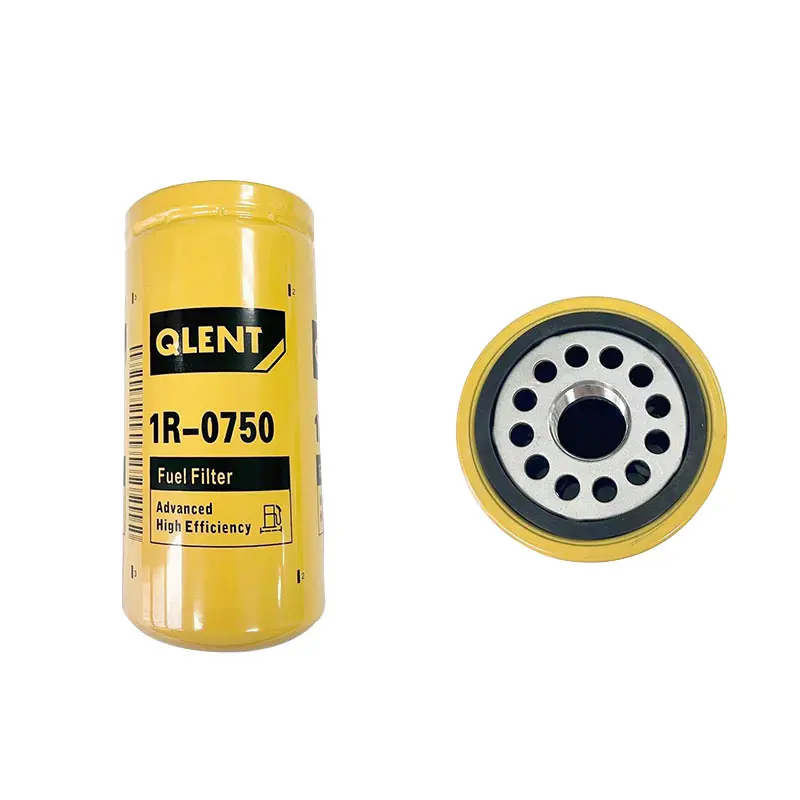
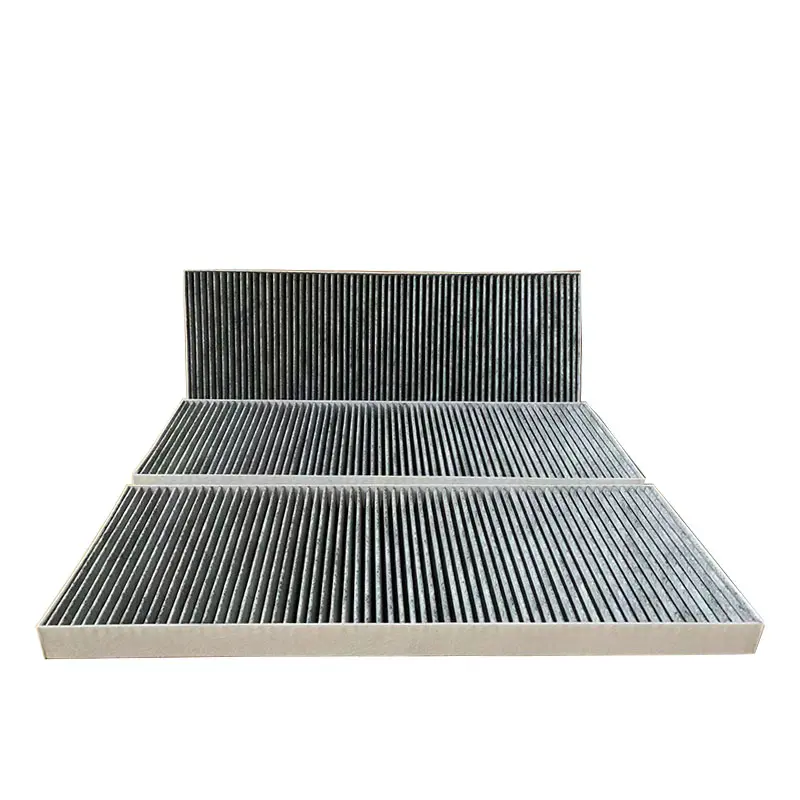
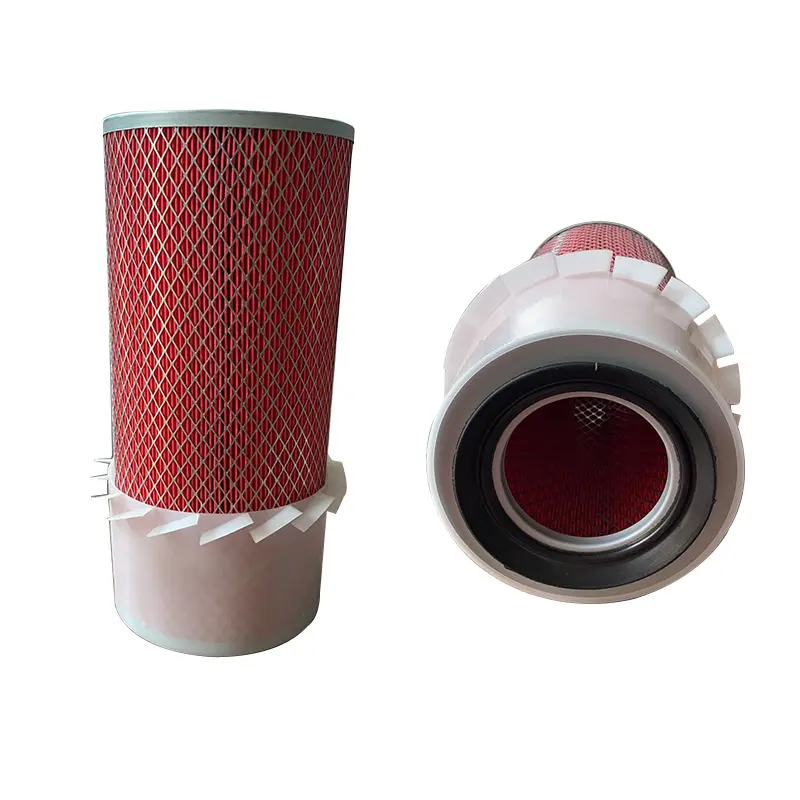
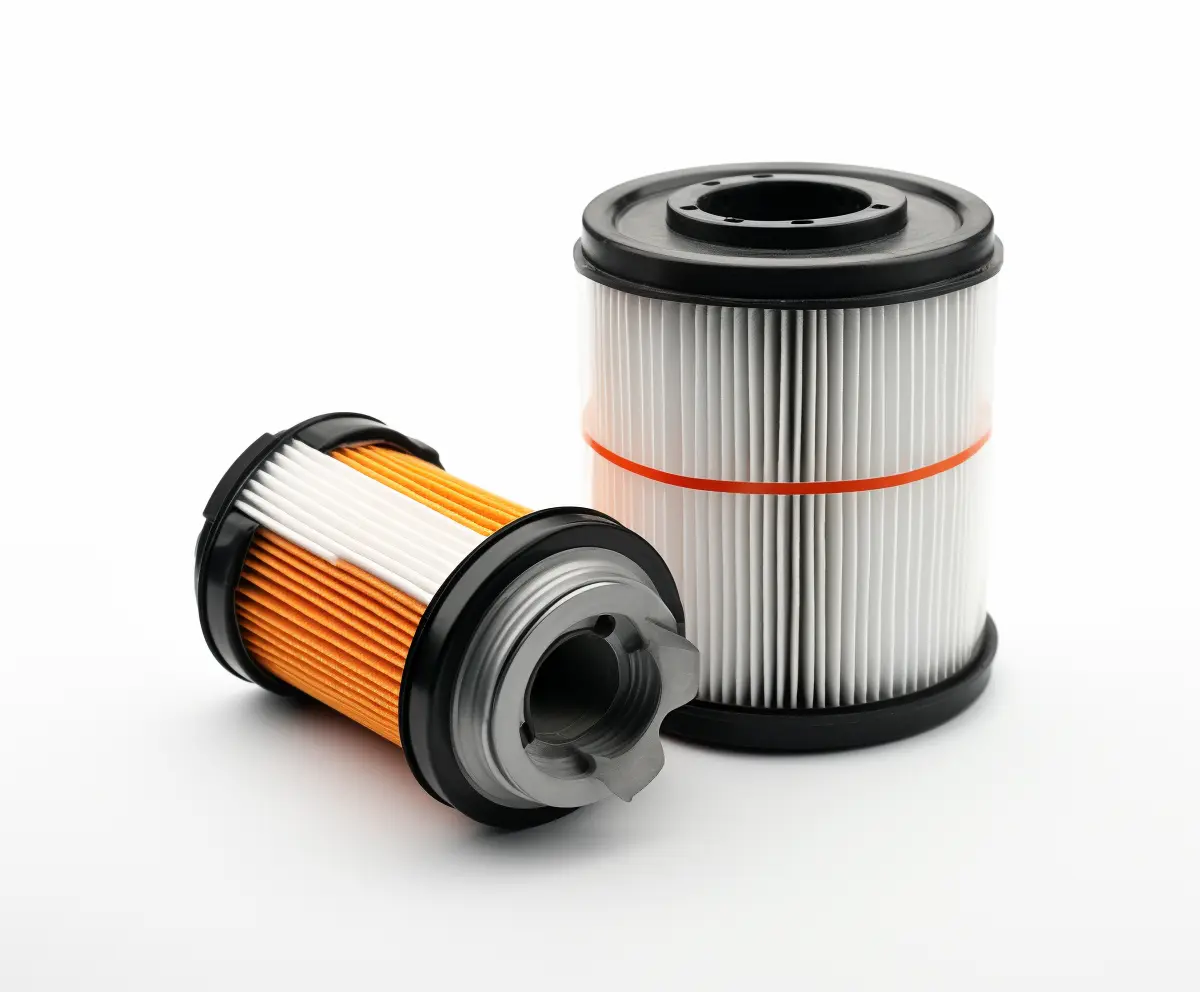
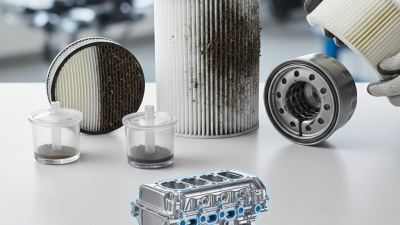
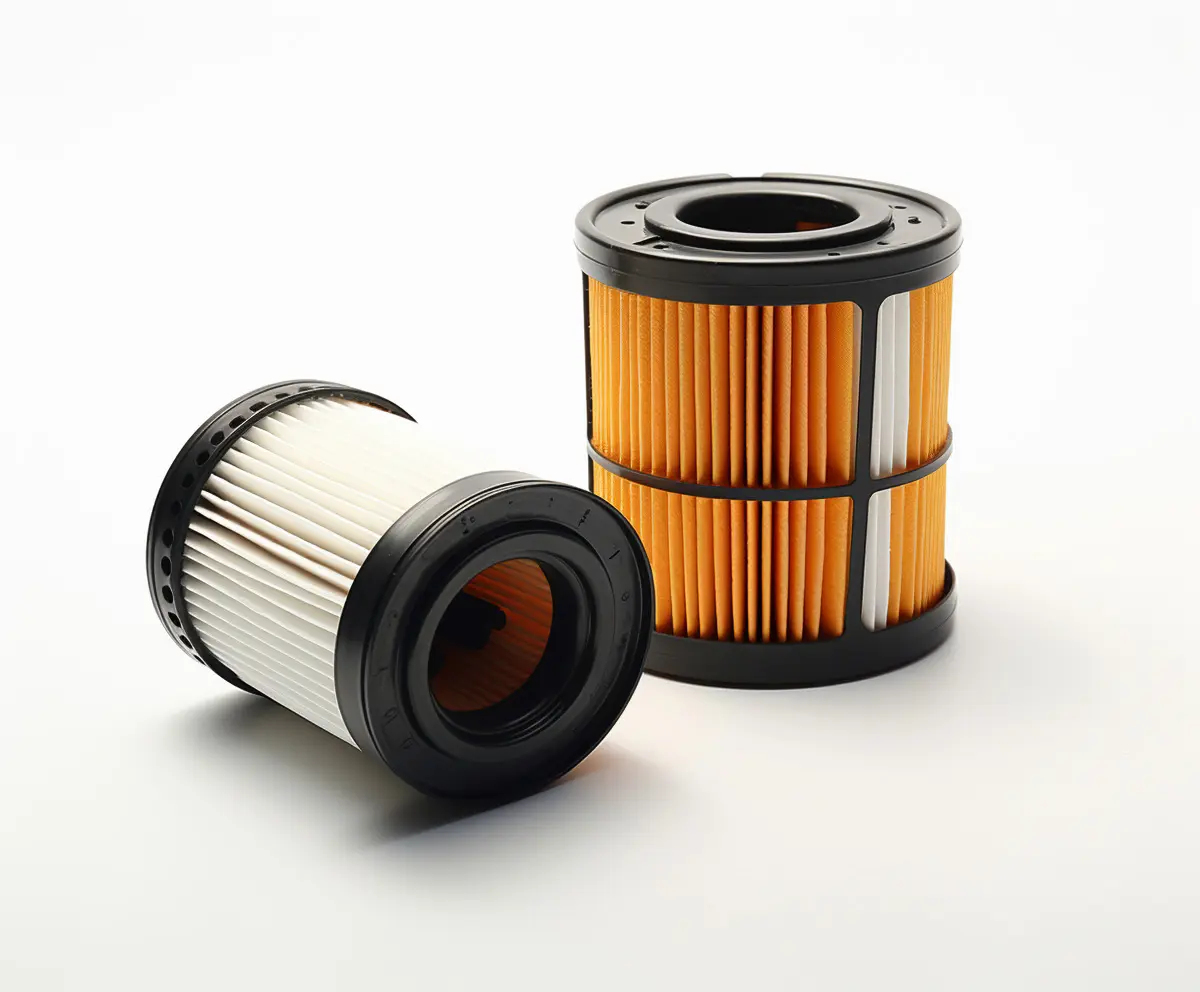
Automotive filter manufacturing begins with a simple task: controlling contamination before it damages critical systems. Air filters protect engines from dust, sand, and fine road debris. Oil filters capture metal particles and carbon residue. Fuel filters separate water and sediment from fuel lines. Cabin filters improve interior air quality by reducing dust, pollen, and odors. Hydraulic and transmission filters support clean fluid circulation in specialized vehicles.

Reliable production depends on media selection, pleat design, sealing quality, and dimensional control. Synthetic fibers often provide stable filtration, while cellulose media can offer practical cost performance. Manufacturers should verify capture efficiency, pressure drop, burst strength, and service life under realistic conditions. Laboratory results matter. Field conditions matter more. Temperature, vibration, moisture, and irregular maintenance can change filter behavior. A filter with excellent initial efficiency may restrict airflow too quickly. That trade-off deserves careful testing, not optimistic claims.

Industry standards help buyers compare products through repeatable tests, traceable materials, and documented quality controls. Applicable requirements may address dimensions, safety, environmental performance, labeling, and test methods. A credible manufacturer keeps batch records and investigates abnormal pressure readings. Incoming material checks and final leak inspections should be routine. Small defects become expensive failures. Global buyers should request test reports, tolerance data, and clear replacement intervals before approving a supplier. Yet documentation is not proof of every real-world result. Samples should be tested in the intended vehicle and operating environment.

How to Evaluate Global Automotive Filter Manufacturers in 2026

Global automotive filter buyers in 2026 should evaluate manufacturers beyond catalog size and polished presentations. A clean showroom proves little. Request current quality certificates, factory audit records, and product test reports. Confirm whether testing occurs internally or through an independent laboratory. Reliable documents should show test dates, sample numbers, methods, and acceptance limits.

Examine filter performance under realistic conditions. Ask for filtration efficiency, dust-holding capacity, pressure-drop curves, temperature resistance, and sealing performance. Check whether data covers the exact filter material and vehicle application. A sample may fit perfectly but fail after prolonged heat exposure. Measure dimensions, gasket compression, pleat spacing, and packaging strength during inspection. Small defects often appear after transport, not during a meeting.

Production control deserves equal attention. Look for batch traceability, incoming-material checks, automated inspection, and documented corrective actions. A capable manufacturer should explain how it handles nonconforming parts without vague promises. Review capacity using actual monthly output, equipment lists, staffing, and recent delivery records. Ask for pre-production samples and a controlled trial order. A large stated capacity can be misleading. I would also compare warranty terms, response times, and replacement procedures in writing. Some suppliers provide impressive samples, yet their consistency declines when order volumes increase. Independent verification remains valuable, especially when technical claims seem unusually optimistic.

Leading Automotive Filter Manufacturers by Product Category and Region

2026 Top Automotive Filter Manufacturers for Global Buyers

Leading Automotive Filter Manufacturers by Product Category and Region

In 2026, global buyers are comparing automotive filter manufacturers by product category and regional capability. Engine air filters need stable airflow, precise sealing, and durable media. Oil filters require reliable pressure control and strong contaminant retention. Cabin filters increasingly use layered media for dust, pollen, and fine particles. Fuel filters demand careful compatibility with modern injection systems.

Manufacturers in East Asia often provide broad production capacity and competitive tooling support. European suppliers commonly emphasize testing, material traceability, and strict quality systems. North American producers may offer strong aftermarket coverage and regional distribution. In South Asia and Southeast Asia, buyers can find flexible production for private-label programs. However, regional strengths vary widely. A factory’s location alone cannot prove reliability.

Tips: Request test reports, sample filters, dimensional drawings, and batch-traceability records. Check performance under heat, vibration, moisture, and pressure changes. Compare delivery consistency, not only quoted prices. Speak with the technical team before approving a supplier.

Real-world evaluation should include vehicle fitment data and installation feedback. A filter that performs well in a laboratory may seal poorly in dusty roads. I have seen buyers overlook gasket quality while focusing on filtration ratings. That mistake can create leaks, noise, or premature maintenance. Buyers should also review capacity planning for seasonal demand. Forecasts are useful, but never perfect. A second-source plan may still be necessary.

Quality, Certification, and Technology Comparison for Global Buyers

2026 Top Automotive Filter Manufacturers for Global Buyers

Quality comparison should begin with repeatability, not appearance. A filter may look dense yet fail under vibration, humidity, or cold starts. Grand View Research reports that the global automotive filters market is expanding at roughly a mid-single-digit CAGR through 2030. That growth increases supplier competition, but it also makes verification harder. Buyers should request filtration efficiency, pressure-drop curves, dust-holding capacity, and burst-strength results. Test conditions must be stated clearly.

Certification separates mature factories from convenient traders. IATF 16949 supports controlled automotive production, while ISO 9001 indicates broader quality-system discipline. However, certificates alone prove little about every shipment. Ask for current audit status, laboratory accreditation, material traceability, and batch inspection records. The ISO 5011 standard is especially useful for evaluating air-filter performance. For oil filters, ISO 4548 testing offers a practical comparison point. Documentation matters.

Technology changes the comparison. Sensor-ready housings, synthetic media, nanofiber layers, and low-restriction designs can improve efficiency and service life. MarketsandMarkets’ 2024 industry analysis expects automotive filter demand to grow above 5% annually during its forecast period. Yet test results often vary between laboratories. This is an uncomfortable weakness. Global buyers should commission independent validation before approving large volumes. Supplier responsiveness also matters; a perfect sample cannot rescue poor corrective action, unclear packaging, or delayed technical feedback.

2026 Top Automotive Filter Manufacturers for Global Buyers

Quality, Certification, and Technology Comparison for Global Buyers

This chart compares major automotive filter categories by the number of internationally published ISO test-method references commonly used for performance evaluation. The figures are standards-reference counts, not manufacturer rankings or market-share data. Relevant references include ISO 5011 for intake-air filters, the ISO 4548 series for full-flow lubricating-oil filters, ISO 19438 and ISO 16332 for diesel-fuel filtration, and ISO 11155-1/-2 for passenger-compartment air filters.

Certification and technology decisions should also verify IATF 16949 or ISO 9001 quality systems, material traceability, laboratory test reports, validation data, and regional regulatory requirements.

Sourcing, Pricing, and Supplier Selection Considerations in 2026

For global buyers, sourcing automotive filters in 2026 requires more than comparing unit prices. A reliable manufacturer should provide material specifications, production records, inspection reports, and traceable batch codes. Ask about filter media, sealing materials, pressure resistance, and service-life testing. These details reveal engineering capability better than polished catalogs.

Pricing depends on filter type, raw materials, order volume, tooling, packaging, and delivery terms. A low quotation may exclude testing, molds, inland freight, or quality claims. Request a complete landed-cost calculation. Compare payment terms, minimum order quantities, lead times, and replacement policies.

Samples should be tested under conditions close to actual vehicle use, including dust exposure, oil temperature, vibration, and pressure changes.

Supplier audits still matter. Review process controls, calibration records, worker training, and corrective-action history. Video meetings help, but they cannot replace physical verification. A manufacturer with consistent documents is usually safer than one offering the fastest promise. Still, no scorecard is perfect. I once treated clean samples as proof of stable production; that assumption was too optimistic. Recheck samples from different batches, and monitor defect rates after launch. Local regulations, import documentation, labeling rules, and environmental requirements also deserve early review. This step is often delayed. That can become expensive.