Essential Fuel Filter Tips Every Buyer Should Know?
When purchasing a fuel filter, understanding its importance is crucial. The fuel filter plays a vital role in maintaining your vehicle's performance. It ensures that harmful particles do not enter the fuel system. Neglecting this component can lead to significant engine issues.
Many might overlook the type of fuel filter they need. Some filters are designed for specific vehicles or engines. It’s essential to consult your owner’s manual for precise specifications. A wrong choice could compromise performance and durability. Buyers often focus on price, but quality matters too.
Fuel filters can vary widely in price and functionality. Investing in a reputable brand ensures reliable filtration. You want to avoid filters that will degrade quickly. This can lead to costly repairs. Many people tend to forget to replace their fuel filters regularly. Reflecting on these details can help prolong your vehicle’s lifespan.
Understanding the Importance of Fuel Filters in Vehicle Maintenance
Fuel filters play a crucial role in vehicle maintenance. They keep contaminants, dirt, and rust away from the engine. A clean fuel filter ensures the engine receives pure fuel. This optimization improves performance and prolongs engine life. Over time, filters can become clogged. Delays in replacing them can lead to significant engine damage.
Ignoring the fuel filter can result in decreased fuel efficiency. Drivers might notice stalling or difficulty starting the engine. These issues indicate a need for filter attention. A simple check can prevent costly repairs. It's wise to familiarize yourself with your vehicle's manual. Understanding the recommended replacement intervals is essential. Yet, many owners overlook this aspect of maintenance.
Some might think fuel filters last indefinitely, but that's a common misconception. Regular maintenance can be a hassle, yet it pays off in reliability. Reflecting on previous experiences with delays can lead to better practices. Investing time in understanding fuel filters leads to smarter choices in vehicle care. A little knowledge can prevent major headaches down the road.
Types of Fuel Filters Available for Different Engine Types
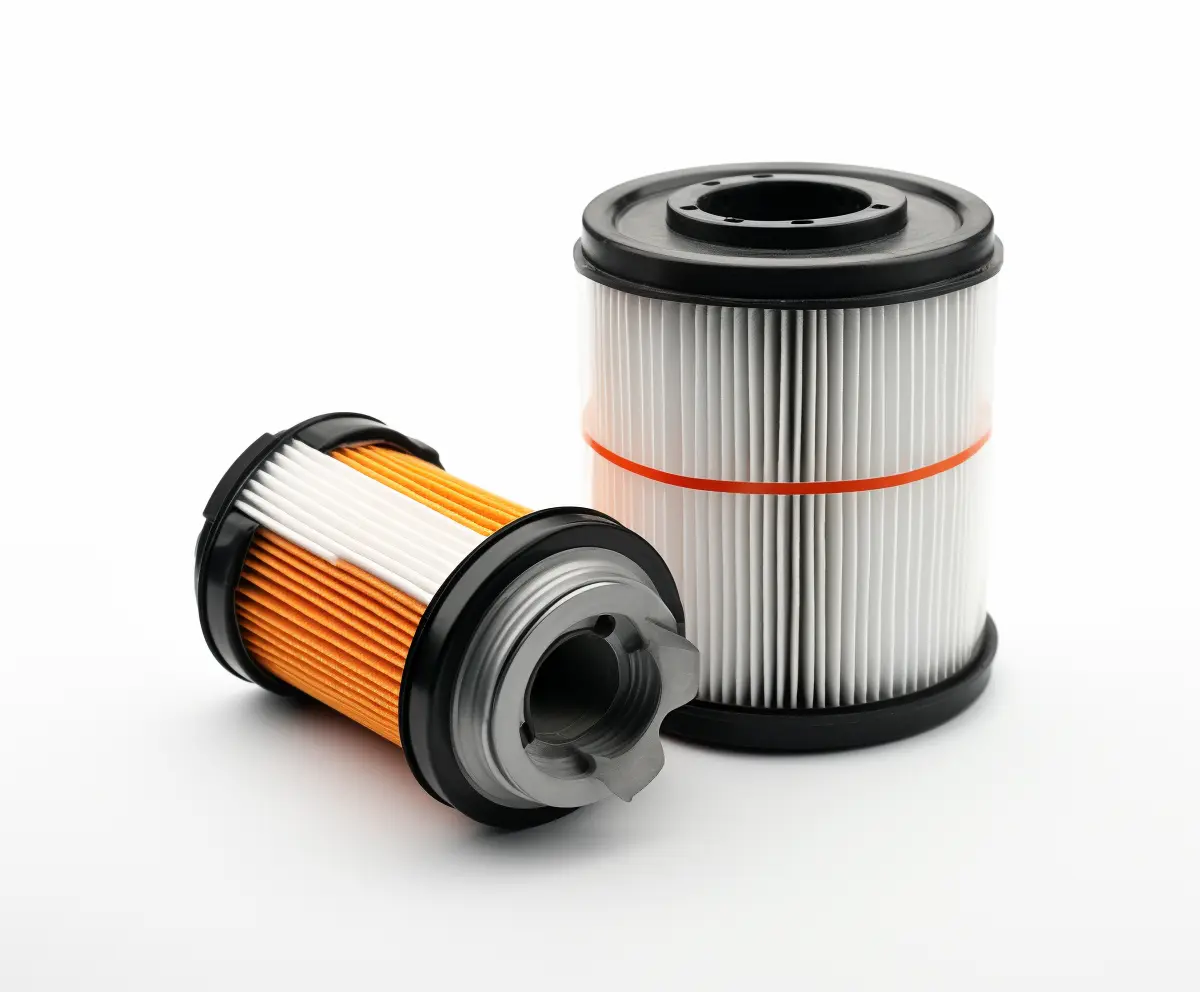
Choosing the right fuel filter is crucial for engine performance. Different engine types require specific filter designs. There are three main types: inline, cartridge, and spin-on fuel filters.
Inline filters often cater to standard gasoline engines. They are compact and easy to fit in tight spaces. However, they may not offer sufficient filtration for high-performance applications.
Cartridge filters are commonly used in diesel engines. They generally provide higher filtration capabilities. This type is usually more complex to change, requiring some mechanical knowledge. For those who prefer simplicity,
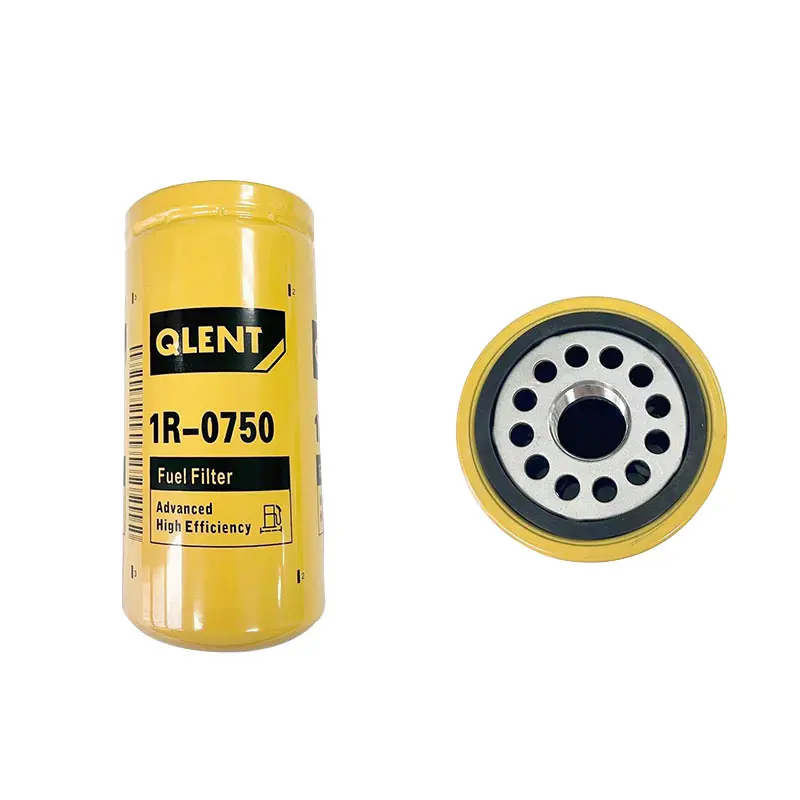
spin-on filters are a great choice. They can be easily replaced without special tools, making them user-friendly.
Understanding your engine's needs is vital. Some filters excel at trapping small particles, while others focus on water separation. It’s not enough to just pick a filter. Consider the specific requirements of your vehicle.
Research is essential to avoid poor choices. The wrong filter can lead to engine damage or reduced efficiency. Being well-informed can save time and money in the long run. Choosing wisely helps ensure the longevity of your engine system.
Key Factors to Consider When Selecting a Fuel Filter
Choosing the right fuel filter is crucial for maintaining your vehicle's performance. When selecting a fuel filter, consider the compatibility with your engine type. Different engines require different filtration systems. Always check the specifications before purchasing. Look for filters that can remove contaminants effectively, ensuring your engine stays clean.
Fuel flow is another important factor. A filter should allow enough fuel to flow without restriction. If the flow is too low, it can lead to engine troubles. It’s essential to find a balance between filtration quality and fuel flow.
Regular maintenance is key. Even the best filter can fail if not replaced on time. Keep an eye on the fuel filter's lifespan and replace it as recommended. Sometimes, the right choice isn't the most expensive option but rather the one that fits your needs the best. Consider these aspects seriously to avoid costly repairs later.
Essential Fuel Filter Tips Every Buyer Should Know
Signs That Indicate a Fuel Filter Replacement is Needed
When it comes to vehicle maintenance, the fuel filter plays a critical role. Neglecting its condition can lead to engine performance issues. Here are some key signs that indicate a fuel filter replacement is needed.
One significant sign is a decrease in engine performance. If your vehicle struggles to start or experiences stalling, it may be due to a clogged fuel filter. According to industry experts, a blocked fuel filter can limit fuel flow to the engine, which diminishes overall power. Moreover, if you notice your vehicle hesitating during acceleration, this could indicate that fuel isn't reaching the engine efficiently.
Another important indicator is the presence of unusual sounds. If you hear a sputtering noise or find the engine running inconsistently, it could suggest that the fuel supply is restricted. Reports indicate that fuel filters should be replaced every 20,000 to 30,000 miles, but this can vary based on driving conditions and fuel quality. Always stay vigilant for any irregular noises coming from the engine, as they signal potential issues.
It's also wise to check for warning lights on your dashboard. A warning light related to the fuel system could indicate a problem with the fuel filter. Regular maintenance, including inspections, can help catch these signs early. Clean fuel filters ensure better engine efficiency and fuel economy. Being proactive can save you from costly repairs down the line.
Maintenance Tips for Prolonging the Life of Your Fuel Filter
Maintaining your fuel filter is crucial for optimal vehicle performance. Regular inspections can detect issues early. A clogged filter can reduce fuel flow and cause engine problems. According to the Automotive Service Association, nearly 30% of vehicle failures are linked to fuel delivery issues.
Change your fuel filter at recommended intervals, typically every 30,000 miles. Keep fuel systems clean by using high-quality fuel. Some reports indicate that contaminants in fuel can lead to faster wear and tear. A good habit is to check the filter during oil changes. This preventative measure can save you from costly repairs.
Monitor your vehicle's performance. Notice any changes in acceleration or unusual noises. Such signs could indicate a blocked filter that requires immediate attention. Relying solely on mileage can be misleading. Each vehicle has unique needs impacted by driving conditions. Refresh your knowledge about maintenance practices. Stay informed to improve your vehicle’s longevity.
Essential Fuel Filter Tips Every Buyer Should Know
| Tip |
Description |
Frequency of Replacement |
Signs of Wear |
| Regular Inspections |
Check your fuel filter for clogs and leaks periodically. |
Every 15,000 miles |
Reduced engine performance |
| Quality Matters |
Invest in high-quality filters for better performance and longevity. |
Varies by manufacturer |
Frequent engine stalling |
| Fuel Quality |
Use quality fuel to minimize contaminants that can clog filters. |
Depends on fuel source |
Unusual engine noises |
| Proper Installation |
Ensure filters are properly installed to prevent leaks and functional issues. |
N/A |
Fuel leaks |
| Know Your Vehicle |
Consult your vehicle manual for specific recommendations on filter maintenance. |
As recommended by manufacturer |
Dashboard warning lights |

 Products
 FUEL FILTER
 OIL ELEMENT FILTER
 OIL FILTER
 CABIN FILTER
 AIR FILTER