Best Automotive Filters from China for Global Buyers?
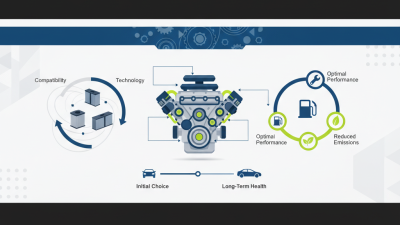
The automotive filter market has witnessed significant growth, driven by the increasing demand for vehicle productivity and efficiency. According to a report by Grand View Research, the global automotive filter market is expected to reach USD 22 billion by 2026. This surge is indicative of a rising awareness regarding vehicle maintenance essentials and emission regulations.
China stands out as a dominant player in automotive filter production. The nation not only produces a large volume of filters but also offers various innovative solutions. For instance, Chinese manufacturers have increasingly integrated advanced filtration technologies to enhance product effectiveness. Despite this, quality control remains a crucial concern. Some filters may not meet international standards, posing challenges for global buyers.
In navigating this landscape, buyers must prioritize reliable suppliers. Choosing manufacturers with credible certifications can mitigate risks. Engaging with those who provide transparent product data is essential for making informed decisions. Trustworthy partnerships will lead to optimal performance and compliance with regulatory demands, emphasizing the importance of quality in the automotive filter sector.
Overview of the Automotive Filter Industry in China
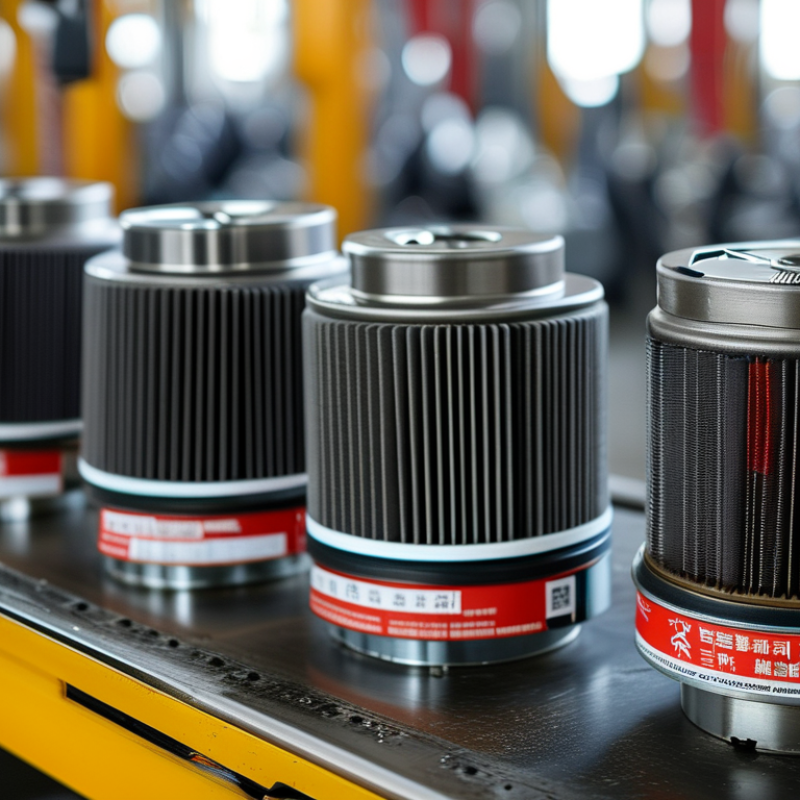
China has become a major player in the global automotive filter industry. In recent years, the country has invested heavily in its manufacturing capabilities. According to a report by the China Automotive Filter Industry Association, the market size for automotive filters in China reached approximately $6 billion in 2022, with a projected annual growth rate of 5% through 2025. This growth is driven by increasing vehicle production and a rise in environmental awareness.
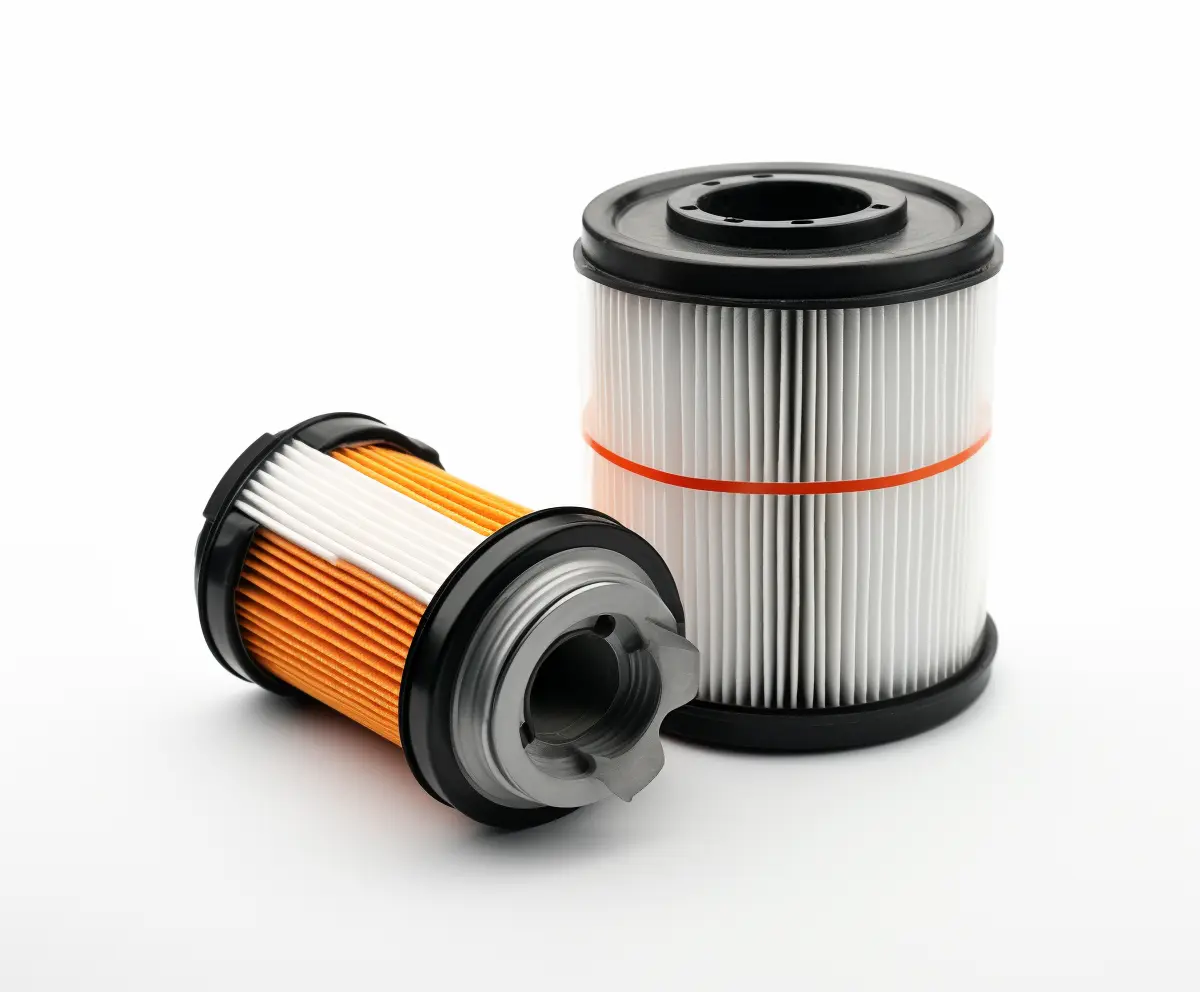
The types of filters produced are diverse. They include air, oil, and fuel filters, which are crucial for vehicle performance and longevity. Recent shifts towards stricter emissions standards have prompted many Chinese manufacturers to adopt advanced technologies. However, despite these advancements, quality control remains a concern. Some factories may prioritize speed over quality, impacting the reliability of their products.
Tip: Always check for certifications and standards compliance when selecting automotive filters. Quality varies among suppliers, and due diligence is essential to avoid subpar products.
Additionally, the industry faces challenges in sustainability. The reliance on non-biodegradable materials poses environmental risks. Many manufacturers are now exploring eco-friendly alternatives. Awareness is growing, yet many companies are still hesitant to transition fully.
Tip: Consider sustainable options when purchasing filters. Supporting eco-conscious manufacturers can contribute to a healthier planet while ensuring higher product quality.
Key Manufacturers and Brands of Automotive Filters in China
When exploring the landscape of automotive filters in China, it's essential to recognize a diverse array of key manufacturers. These companies contribute significantly to both the domestic and global markets. They often develop advanced filtration technologies that meet international standards, ensuring high quality and reliability. Many manufacturers utilize state-of-the-art materials to enhance the performance of their filters, focusing on aspects like longevity and efficiency.
One notable trend is the increasing emphasis on eco-friendly filtration solutions. Producers are innovating with biodegradable materials and designing filters that minimize environmental impacts. Buyers should consider partnerships with manufacturers that prioritize sustainability. Moreover, assessing production practices can reveal insights into the company's commitment to quality. While many manufacturers present impressive credentials, it is crucial to research thoroughly and evaluate their specific product offerings.
Some manufacturers have a strong export focus, establishing a presence in various global markets. However, not every brand guarantees consistency. Buyers must remain vigilant about quality control processes in place. This reflection on reliability could lead to long-term partnerships with trustworthy suppliers. It’s prudent for global buyers to engage with these manufacturers directly. The dialogue can unveil much about their capacity to meet specific filtration needs effectively.
Types of Automotive Filters Available for Global Markets
The global automotive filter market includes various types of filters essential for vehicle performance. Key categories include air filters, oil filters, fuel filters, and cabin filters. According to market research, the automotive filter segment is projected to reach USD 30 billion by 2025, fueled by increasing vehicle production and maintenance needs.
Air filters play a vital role in protecting engines from contaminants. A clean air filter enhances engine efficiency and reduces emissions. Oil filters are crucial for maintaining oil cleanliness. They remove harmful particles that can lead to engine wear.
Fuel filters ensure that only clean fuel enters the engine, improving combustion efficiency.
Cabin filters contribute to passenger comfort by filtering outside air. They reduce dust, pollen, and other allergens. Growing awareness of air quality has driven demand for high-quality cabin filters.
Both consumers and manufacturers are increasingly focused on sustainability. However, the shift towards eco-friendly materials is still a work in progress. Not all available options meet environmental standards yet, raising concerns in the industry.
Quality Standards and Certifications for Automotive Filters
In the automotive industry, quality standards and certifications play a crucial role. For buyers looking at Chinese manufacturers, understanding these norms is essential. Automotive filters are fundamental for vehicle performance, so ensuring reliability is a priority. Certification from international standards, like ISO and IATF, indicates a manufacturer’s commitment to quality.
Many suppliers in China strive to meet global standards. However, not all achieve the same level of quality. Some manufacturers may claim certifications but offer inconsistent products. Buyers should verify these claims through independent audits or reviews. This process can be time-consuming, yet it protects investments in the long run.
Quality checks include material testing and performance assessments. Some manufacturers may skimp on these aspects to cut costs. Understanding the manufacturing process helps buyers identify potential weaknesses. Asking about the source of materials and production methods is advisable. Transparency fosters trust and enhances supplier relationships.
Best Automotive Filters from China for Global Buyers - Quality Standards and Certifications for Automotive Filters
| Filter Type |
Material |
Certification |
Application |
Average Lifespan (Months) |
| Oil Filter |
Cellulose |
ISO 9001, TS16949 |
Passenger Vehicles |
6-12 |
| Air Filter |
Polyester |
ISO 14001 |
Commercial Vehicles |
12-24 |
| Fuel Filter |
Metal, Synthetic |
SAE, ISO 9001 |
All Vehicle Types |
6-12 |
| Cabin Air Filter |
Activated Carbon |
ISO 9001 |
Passenger Vehicles |
12-16 |
| Transmission Filter |
Fiberglass |
ISO 9001, ISO 14001 |
Automated Vehicles |
24-36 |
Trends and Innovations in Automotive Filters from China
The automotive filter industry in China is experiencing rapid growth. Innovations are emerging to meet global demands. This shift includes advancements in air, fuel, and oil filters. Technologies like nanofibers and improved filtration materials enhance performance. For instance, filters made from new synthetic materials offer better durability.
Tips for buyers include assessing the quality standards of suppliers. Requesting certifications can help ensure reliability. Collaborating with manufacturers that emphasize R&D is crucial. This can lead to innovative products that stand out in the market. Consider visiting trade shows to see the latest trends.
Environmental concerns are also shaping the future of automotive filters. Eco-friendly materials are gaining popularity. Filters that can be recycled are becoming a focus. It's essential to evaluate how suppliers address these issues. Embracing these trends can provide a competitive edge in the market. There is much to learn from the evolving landscape of automotive filters in China.

 Products
 FUEL FILTER
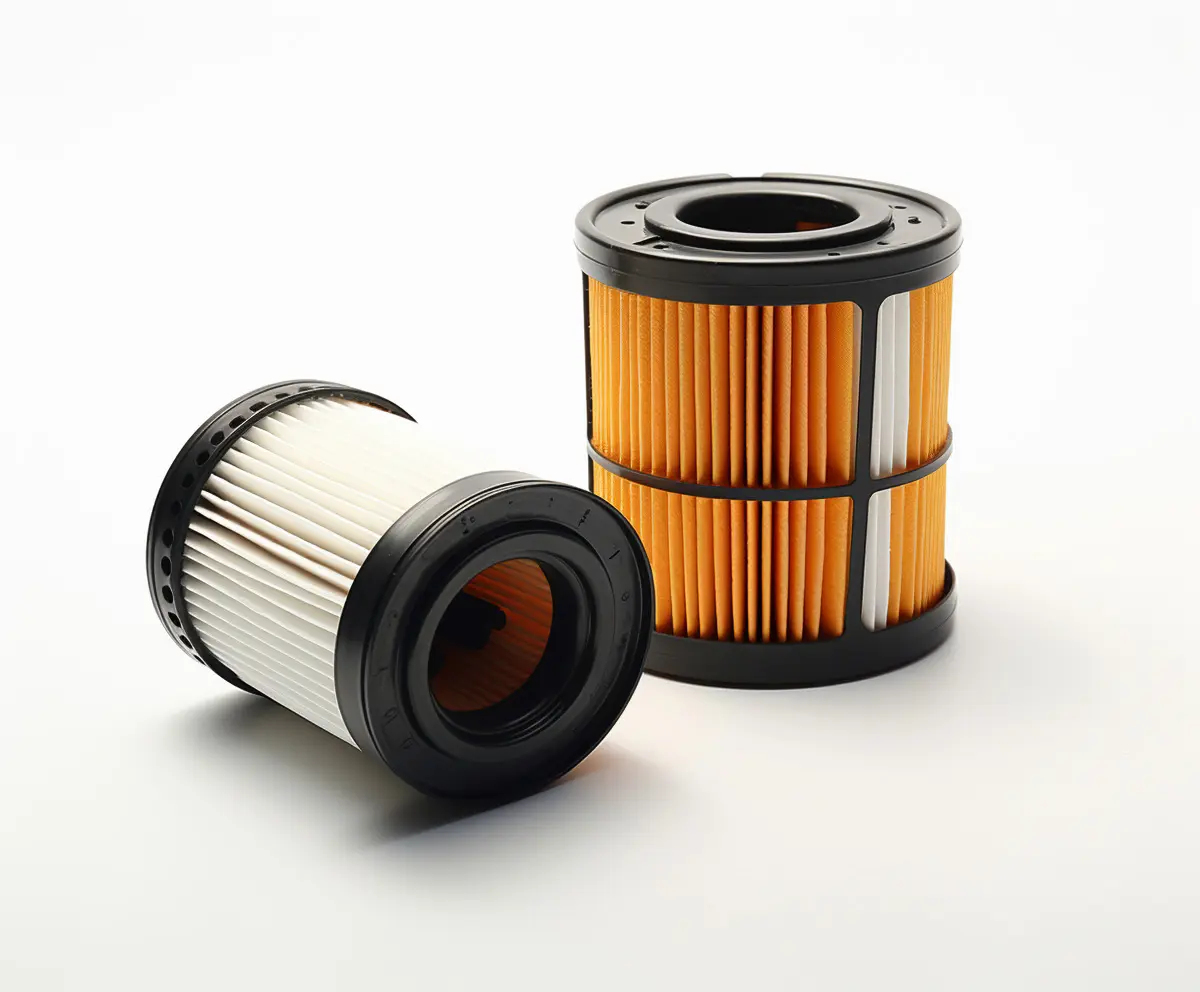
 OIL ELEMENT FILTER
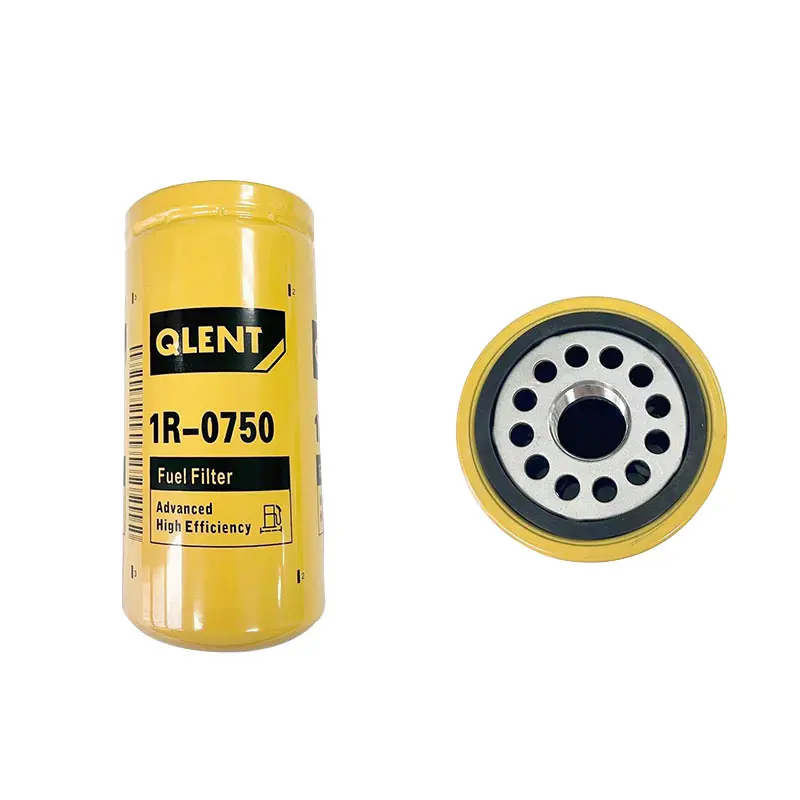 OIL FILTER
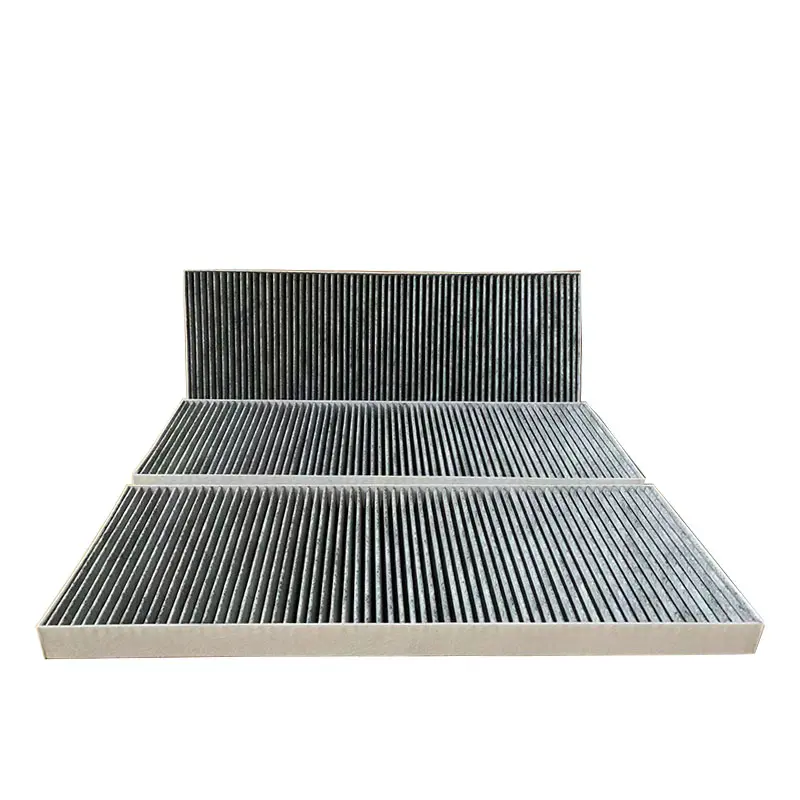 CABIN FILTER
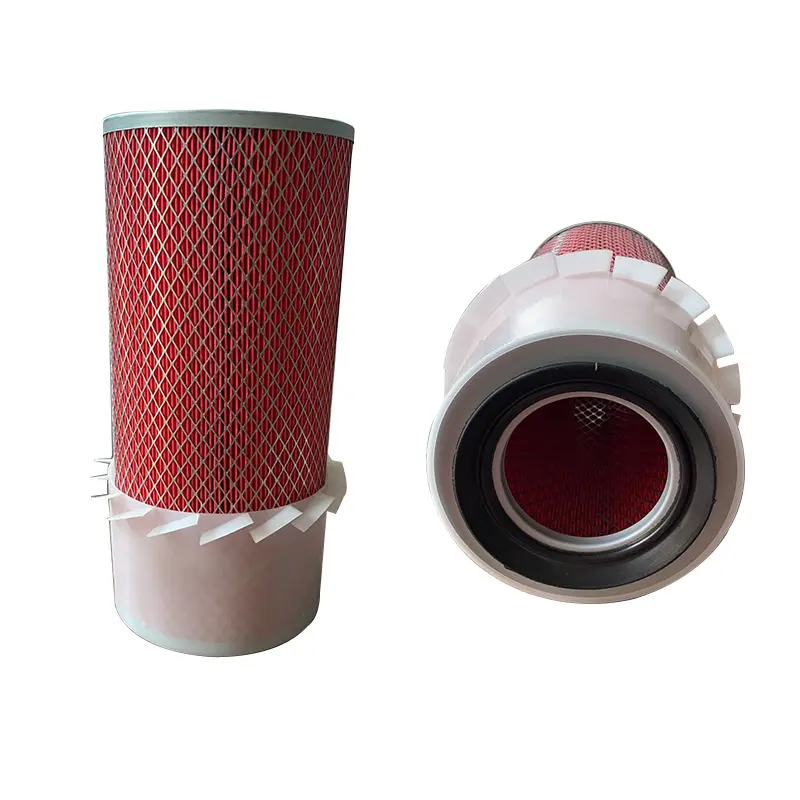 AIR FILTER