Top Oil Filters for Your Vehicle Which One Should You Choose?
Choosing the right oil filter is crucial for your vehicle's performance. According to industry expert Johnathan Clark, "A high-quality oil filter can significantly extend your engine's lifespan." This highlights the importance of selecting the right filter.
Oil filters remove impurities from engine oil. They help maintain clean oil circulation, which is vital for engine health. Many drivers overlook this crucial component, leading to potential engine damage.
With many options available, understanding your needs is essential. Factors such as vehicle type and driving conditions play a role. Not all filters are created equal, and some may not offer the protection you expect. Think carefully about the implications of your choice. The wrong filter could cost you in the long run.
Understanding the Importance of Oil Filters in Vehicle Maintenance
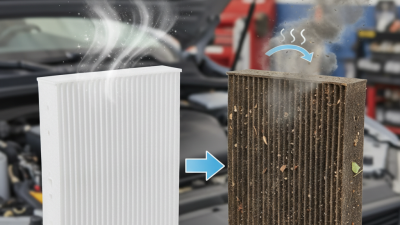
Oil filters play a crucial role in maintaining your vehicle’s engine health. They are responsible for removing contaminants from engine oil, ensuring that your engine runs smoothly. Dirty oil can lead to poor performance and potential engine damage. Regularly changing your oil filter is a vital aspect of routine maintenance.
When selecting an oil filter, it is essential to consider its filtration efficiency. Not all filters perform equally, and some may allow particles to pass through. This can lead to bigger issues down the line. Additionally, installation ease is an important factor. A filter that’s hard to install can result in improper sealing, causing leaks.
While it can be tempting to opt for cheaper filters, this choice could have long-term consequences. Investing in a quality oil filter is key. Some filters may not fit perfectly, even if they are labeled for your vehicle. Take time to research and consult with professionals for the best option. This careful consideration can save you money on repairs in the future.
Types of Oil Filters: A Comprehensive Overview
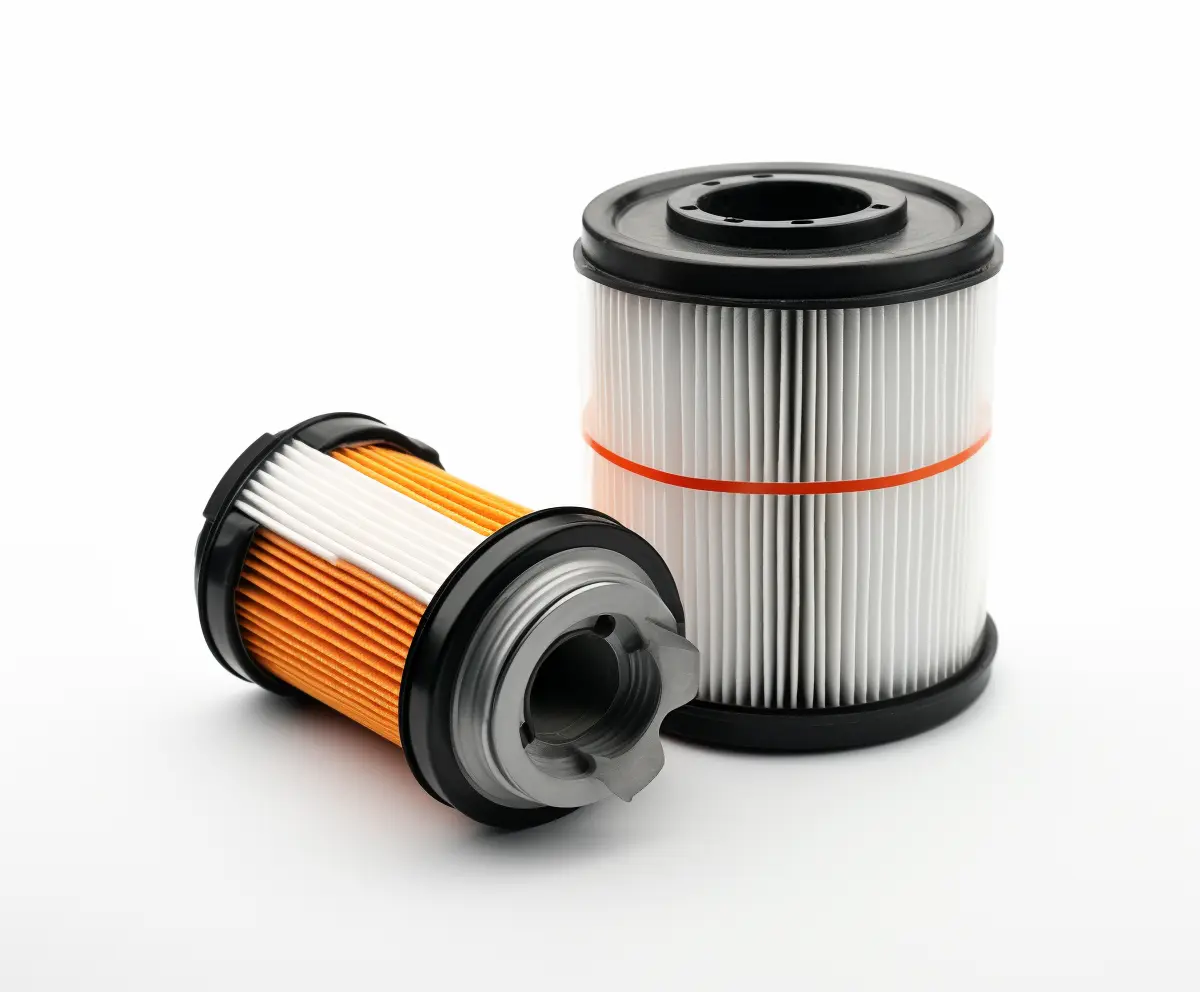
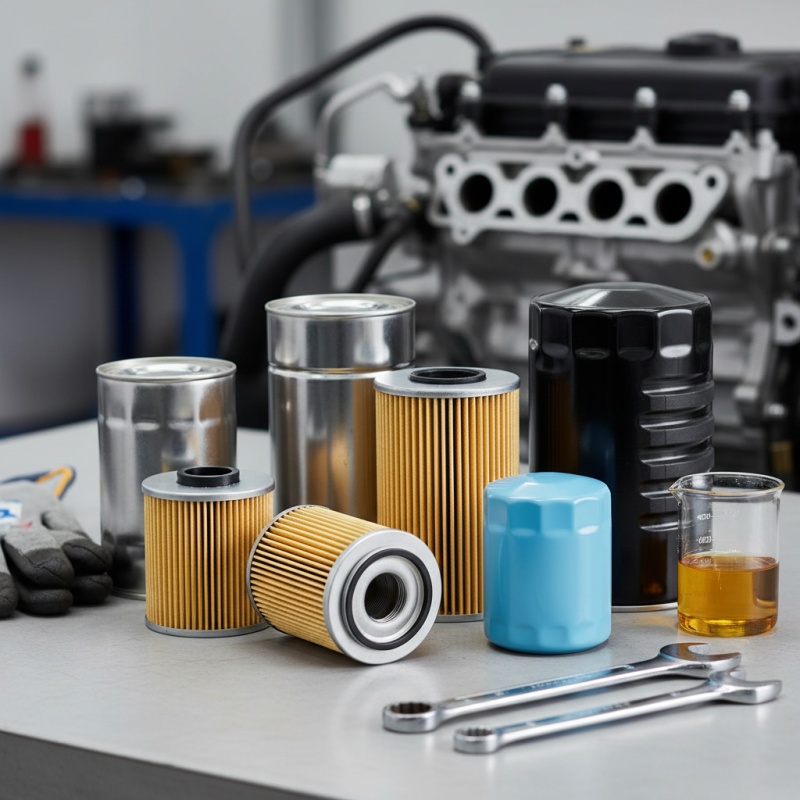
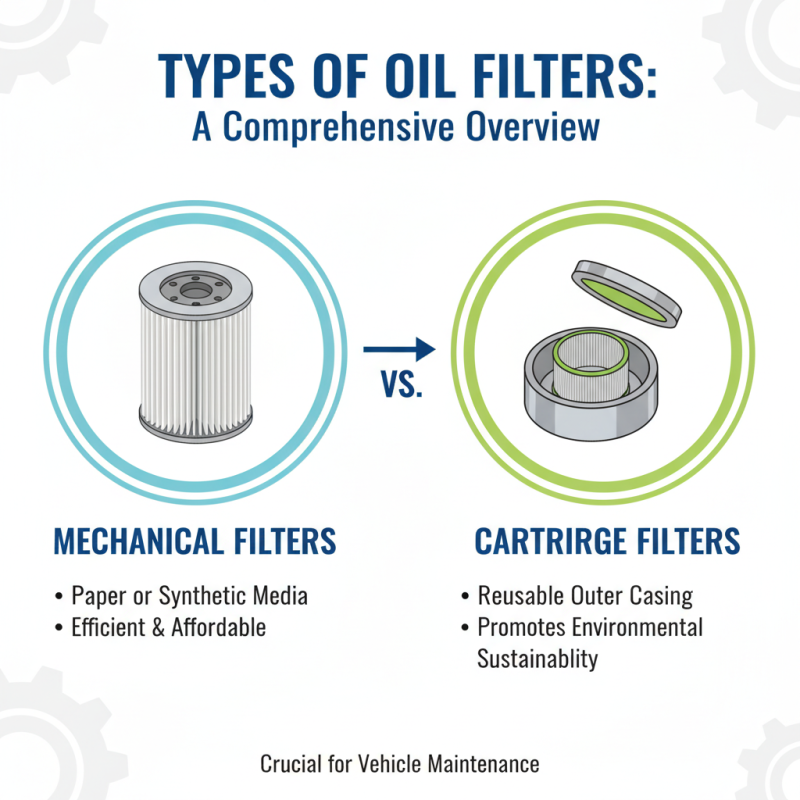
When it comes to oil filters, understanding the types available is crucial for vehicle maintenance. There are two main categories: mechanical filters and cartridge filters. Mechanical filters use paper or synthetic media to trap particles. These filters are popular due to their efficiency and affordability. In contrast, cartridge filters often feature a reusable outer casing. This design can promote environmental sustainability, as it reduces waste.
Different vehicles may require specific types of filters. For instance, high-performance cars often benefit from advanced filters that can handle greater pressure and temperature. While more cost-effective options may suffice for daily drivers, the right choice can enhance engine performance. However, selecting a filter based solely on price can lead to premature failures or inadequate filtration.
Choosing an oil filter can be daunting. Many factors influence this decision, such as driving conditions and engine type. A thorough understanding of these variables is essential. Regular research into filter performance and material quality can aid in making informed choices. Remember, an ill-suited filter might lead to engine damage and significant repair costs down the line. Always weigh the pros and cons before purchasing.
Key Features to Consider When Choosing an Oil Filter
When choosing the right oil filter for your vehicle, several key features stand out. First, consider the filtering efficiency. High-quality oil filters can capture over 99% of contaminants. A report from the Society of Automotive Engineers notes that filters with higher efficiency are crucial for engine longevity. This means that a well-chosen filter can reduce wear and tear significantly.
Next, the construction of the filter is vital. Look for filters with sturdy materials that can withstand high pressure. Many filters use synthetic media for improved filtration. This can help in reducing engine sludge and maintaining oil quality. A filter's capacity to hold contaminants is just as critical. A larger dirt-holding capacity means fewer changes and less frequent maintenance.
Lastly, consider the flow rate. It's essential for the filter to provide a consistent supply of oil to the engine. However, not all filters offer optimal flow. This mismatch can lead to engine performance issues. While some filters promise efficiency, real-world testing often reveals varying results. Therefore, finding a balance between quality, capacity, and flow is crucial for optimal vehicle performance.
Top Oil Filters for Your Vehicle Which One Should You Choose?
| Feature |
Description |
Advantages |
| Filtration Efficiency |
Ability to remove impurities and particles from the oil. |
Improves engine performance and prolongs lifespan. |
| Flow Rate |
Rate at which oil flows through the filter. |
Ensures adequate oil flow during operation. |
| Durability |
Resistance to wear and tear, high temperatures, and pressure. |
Reduces the need for frequent replacements. |
| Compatibility |
Whether the filter fits specific vehicle makes and models. |
Ensures proper functioning of the engine. |
| Cost |
Price of the filter and its value for money. |
Finds balance between affordability and quality. |
Top Brands of Oil Filters and Their Unique Offerings
When selecting an oil filter, understanding the unique offerings of top brands is essential. Each brand has its strengths. Some filters focus on maximum dirt filtration. Others emphasize longer service life. Selecting the best option depends on your vehicle's specific needs.
Many brands use advanced technology to enhance performance. For instance, high efficiency filters capture smaller particles. Some are designed for extreme temperatures. The materials they use also vary significantly. Durability can reflect the quality of the filter.
However, it’s important to consider your vehicle's requirements. A filter may excel in one area but lack in another. Reflect on your driving conditions. Frequent short trips may require a different filter than long highway drives. Evaluate each product’s data sheet for insights on its performance. Don't just rely on marketing claims; research how they perform in real-world situations.
How to Properly Install and Maintain Your Chosen Oil Filter
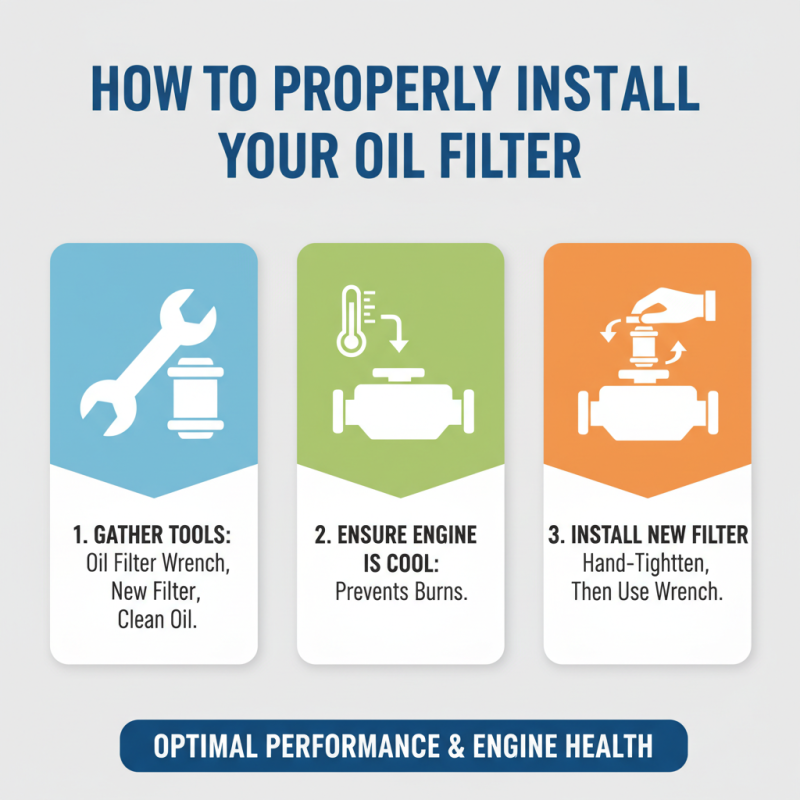
When it comes to maintaining your vehicle, the oil filter plays a crucial role. Proper installation is vital for optimal performance. Begin by gathering the necessary tools: an oil filter wrench, new oil filter, and some clean oil. Ensure the engine is cool—working on a hot engine can lead to burns.
Remove the old filter carefully. Be prepared for some oil spillage. Wipe the mounting surface on the engine to prevent debris. Apply a bit of new oil to the rubber gasket of the new filter. This helps create a seal and makes removal easier next time. Screw the new filter in place, hand-tightening it without overdoing it.
Maintenance is just as critical. Regularly check the oil filter for leaks, especially after an oil change. Replacing the oil filter should coincide with oil changes, typically every 3,000 to 7,500 miles. Reflect on how easy it is to overlook this part, but neglecting it can lead to engine damage. A little attention now can save significant repairs later.

 Products
 FUEL FILTER
 OIL ELEMENT FILTER
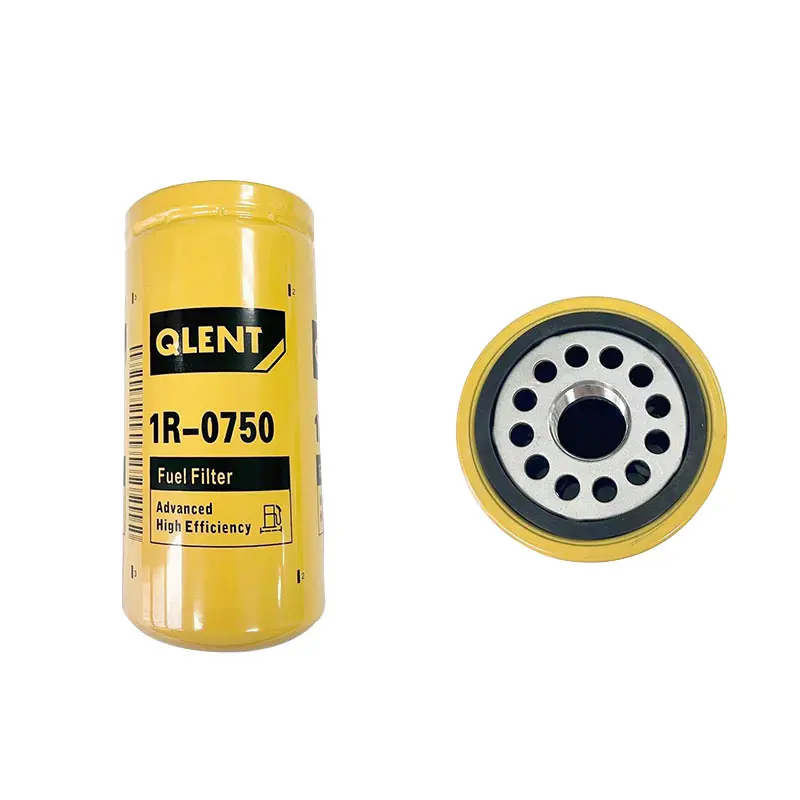 OIL FILTER
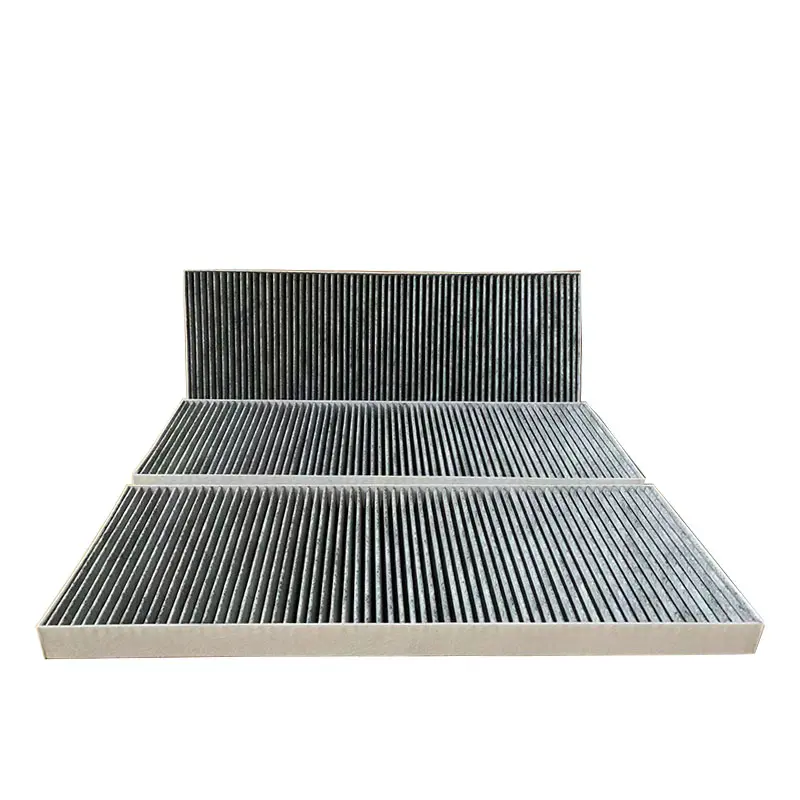 CABIN FILTER
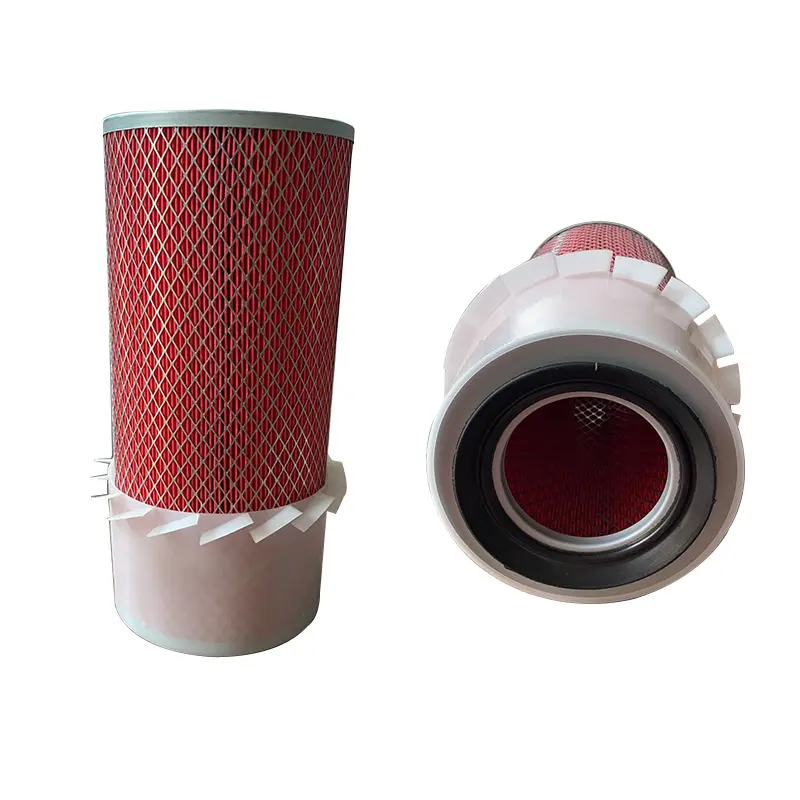 AIR FILTER