Top Auto Oil Filter Suppliers in China for Global Buyers?
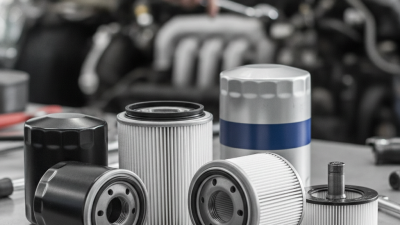
In the ever-evolving automotive industry, finding reliable suppliers for auto oil filters is crucial. Quality oil filters enhance engine performance and extend vehicle lifespan, making them a key component for global buyers. With numerous manufacturers in China, selecting the right partner can be challenging.
China boasts numerous auto oil filter suppliers. Many companies offer a wide range of products. Some focus on innovation, while others emphasize cost-effectiveness. Buyers must carefully evaluate these suppliers. It often requires thorough research and firsthand experience. Quality inconsistencies can arise among different manufacturers, impacting overall vehicle maintenance.
Engaging with reputable auto oil filter suppliers not only ensures product reliability but also fosters long-term relationships. Establishing trust and transparency should be priorities for global buyers. Ultimately, navigating this complex market involves understanding unique supplier capabilities and assessing their performance continuously. Strategies for improvement are essential in this competitive landscape.
Top Auto Oil Filter Manufacturers in China: An Overview of the Market
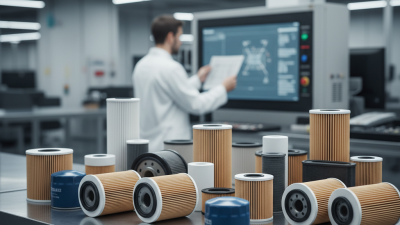
The auto oil filter market in China is dynamic, with numerous manufacturers competing for global attention. Many filters are produced to meet international quality standards. Buyers often seek reliable suppliers who can provide consistent products. It's crucial to review the manufacturing processes and certifications of potential partners.
Quality control is a significant issue in the industry. Some manufacturers may cut corners, leading to inferior products. Users need to be aware of these risks. Additionally, the variety of filters available can be overwhelming. It's essential to understand specifications and compatibility before making a purchase.
Buyers should also consider logistics and shipping reliability when selecting suppliers. Delays can impact customer satisfaction. While the price may be attractive, hidden costs can emerge. Research and due diligence are necessary to find trustworthy manufacturers.
Key Factors Influencing Auto Oil Filter Production in China
China has become a significant player in the auto oil filter industry, influencing global supply chains. Several factors drive production in this sector, including raw material availability, labor costs, and technological advancements. Reports indicate that China accounts for nearly 35% of global oil filter production. The accessibility of materials, such as synthetic fibers and rubber, minimizes production costs.
Labor costs in China are often lower than in many western countries. This economic advantage allows manufacturers to invest more in technology. Automation is becoming common, increasing efficiency. However, low-cost labor can lead to quality inconsistency. Companies must balance cost and quality for competitive advantage.
Tips: Invest in quality assurance processes. Regularly review supply chain practices for potential improvements. A focus on gradual enhancements can yield significant benefits. Additionally, consider environmental impacts. Eco-friendly practices can attract more buyers concerned about sustainability. Addressing these factors can lead to better products and improved market positions.
Market Share Analysis: Leading Chinese Auto Oil Filter Suppliers
In the competitive landscape of auto oil filters, Chinese suppliers play a crucial role. Reports indicate that their combined market share has reached approximately 30% in recent years. This dominance results from factors like cost efficiency, vast production capabilities, and a growing focus on quality. A significant number of suppliers show continuous improvement in their manufacturing processes. However, inconsistencies in quality standards can arise.
Recent data from industry experts suggest that the demand for high-performance oil filters is surging. This is largely driven by the increasing number of vehicles globally. Moreover, technical advancements in filter design contribute to better oil filtration and engine performance. Some suppliers are still lagging in adopting new technologies, creating gaps in the market.
Tips: When sourcing auto oil filters, prioritize suppliers with strong quality certifications. Evaluate their production processes. Consistent quality is vital for long-term partnerships. Additionally, consider suppliers' feedback and adaptability to industry trends. They should demonstrate a willingness to evolve with changing market needs.
Innovations and Technological Advancements in Oil Filter Manufacturing
The automotive oil filter industry in China has seen remarkable innovations recently. Advanced materials are being used to improve filtration efficiency. Modern filters incorporate synthetic fibers that can capture smaller particles effectively. This tech advancement enhances engine performance, ensuring cleaner oil circulation.
Manufacturers are also exploring eco-friendly options. Biodegradable filters are gaining traction. They reduce environmental impact after disposal. However, challenges remain in balancing performance and sustainability. Some filters may not yet meet strict standards.
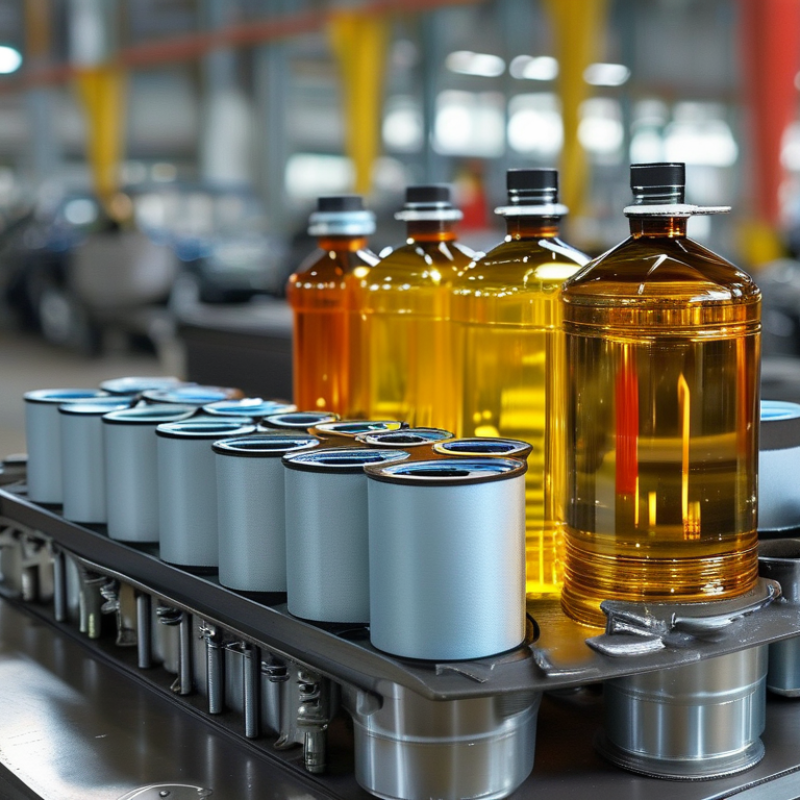
Automation is changing production processes. Smart technologies streamline manufacturing, increasing precision. Despite these advancements, quality control remains a critical concern. Ensuring each filter meets rigorous specifications must be prioritized. As the market evolves, ongoing improvements are essential for maintaining competitiveness.
Global Trade Trends: China’s Role in the Auto Oil Filter Industry
China has emerged as a key player in the auto oil filter industry. The country’s manufacturing capabilities are vast and impressive. Many buyers across the globe are looking for reliable suppliers. China provides a wide range of options, from affordable choices to high-end products. This diversity caters to various market needs, attracting international customers. However, quality control can be an issue, and not all products meet rigorous standards.
The rise of e-commerce has changed trade dynamics. Buyers can now easily access suppliers through online platforms. This accessibility fosters competition, pushing manufacturers to improve quality and innovation. However, it also raises challenges. Not every supplier is trustworthy, which requires thorough research. Buyers must evaluate certifications and customer reviews. Attention to detail is crucial in the selection process. Additionally, fluctuating trade policies may impact supply chains, necessitating adaptability from both suppliers and buyers.
China’s role is significant and multifaceted. The industry contributes to employment and technological advancements domestically. Yet, it faces pressures to maintain quality amidst rising costs and environmental regulations. Reliable partnerships are essential for navigating these challenges. As buyers continue to seek the best value, understanding this complex landscape becomes vital.
Top Auto Oil Filter Suppliers in China for Global Buyers
| Supplier Location |
Annual Production Capacity (Units) |
Export Markets |
Certifications |
Main Product Categories |
| Shanghai |
1,500,000 |
North America, Europe, Asia |
ISO 9001, IATF 16949 |
Oil Filters, Fuel Filters |
| Guangzhou |
1,200,000 |
Africa, South America |
TS 16949 |
Oil Filters, Air Filters |
| Beijing |
800,000 |
Asia, Middle East |
ISO 9001 |
Oil Filters, Cabin Filters |
| Shenzhen |
950,000 |
Europe, Oceania |
ISO 14001, IATF 16949 |
Oil Filters, Hydraulic Filters |
| Hangzhou |
600,000 |
North America, Europe |
ISO 9001 |
Oil Filters, Fuel Strainers |

 Products
 FUEL FILTER
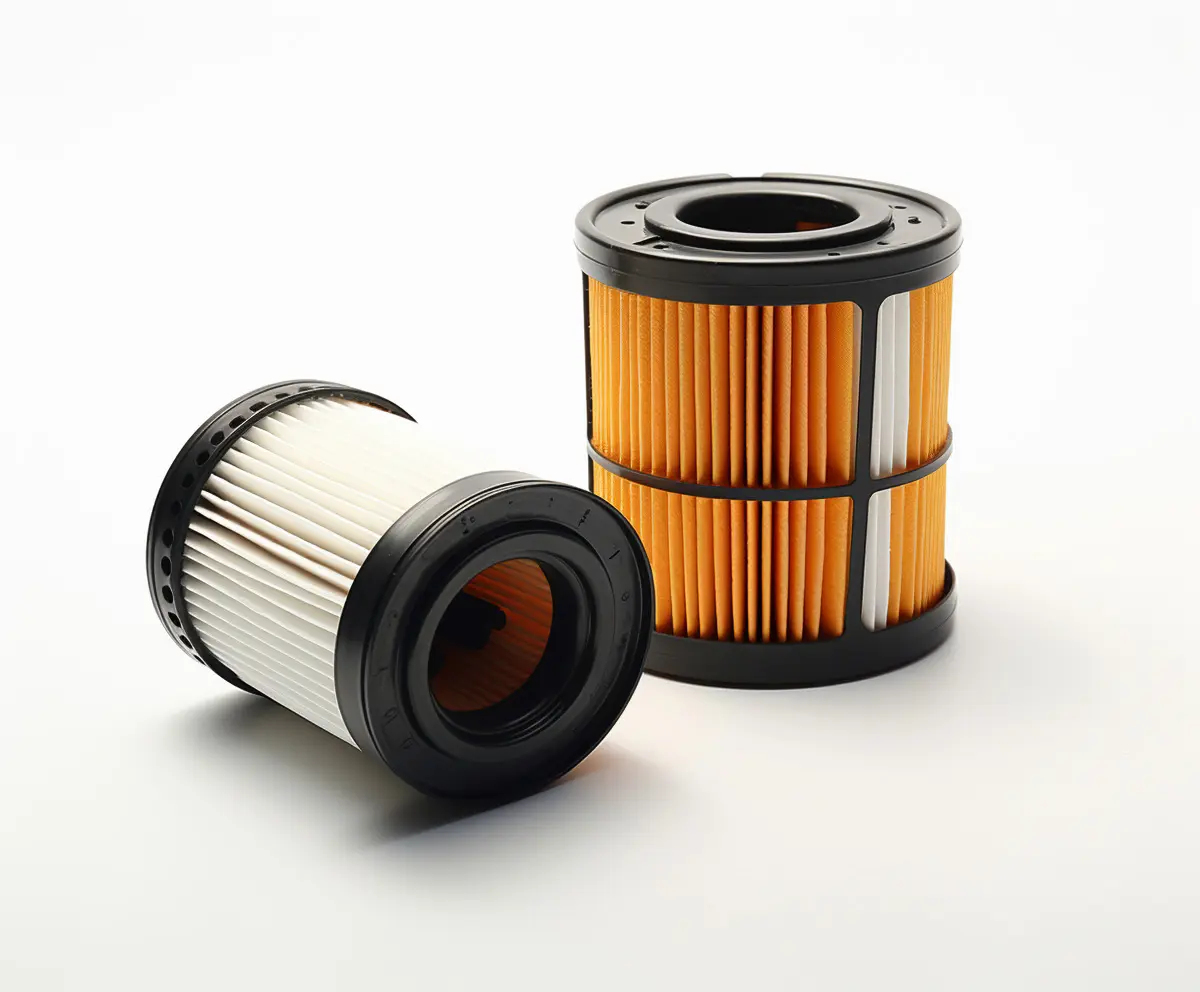
 OIL ELEMENT FILTER
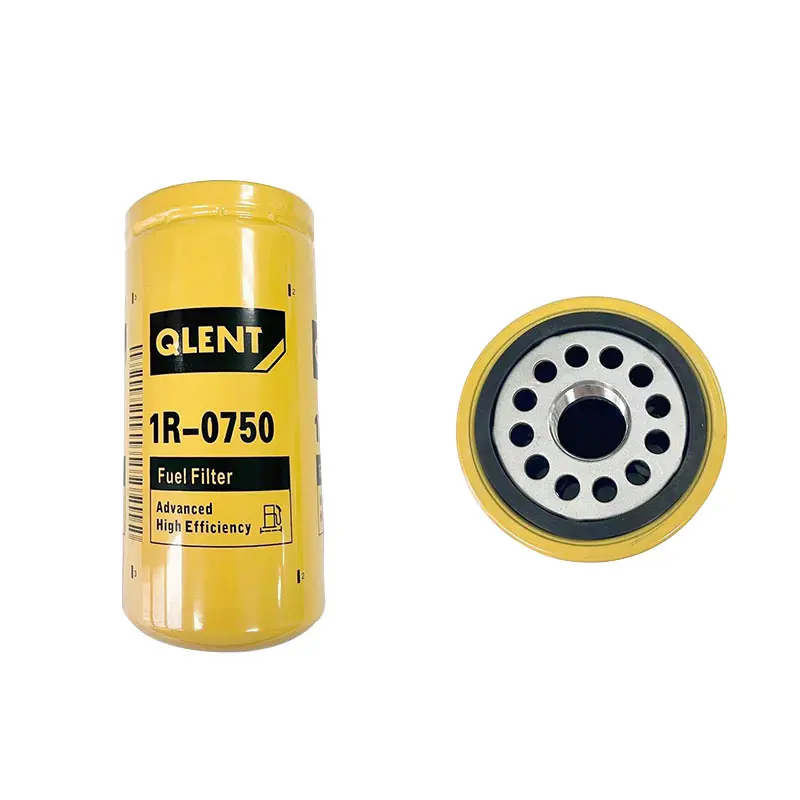 OIL FILTER
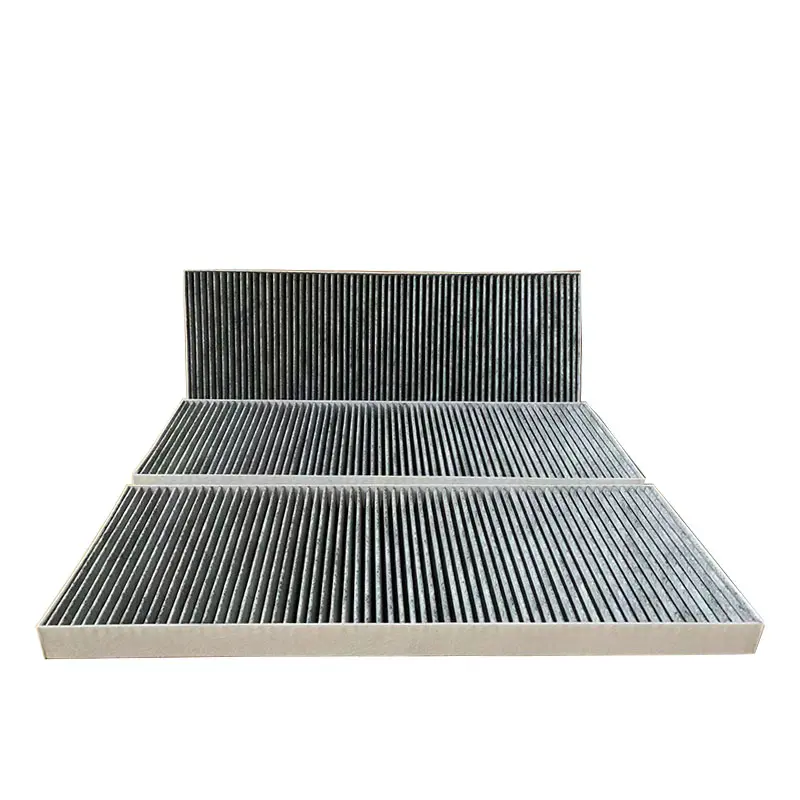 CABIN FILTER
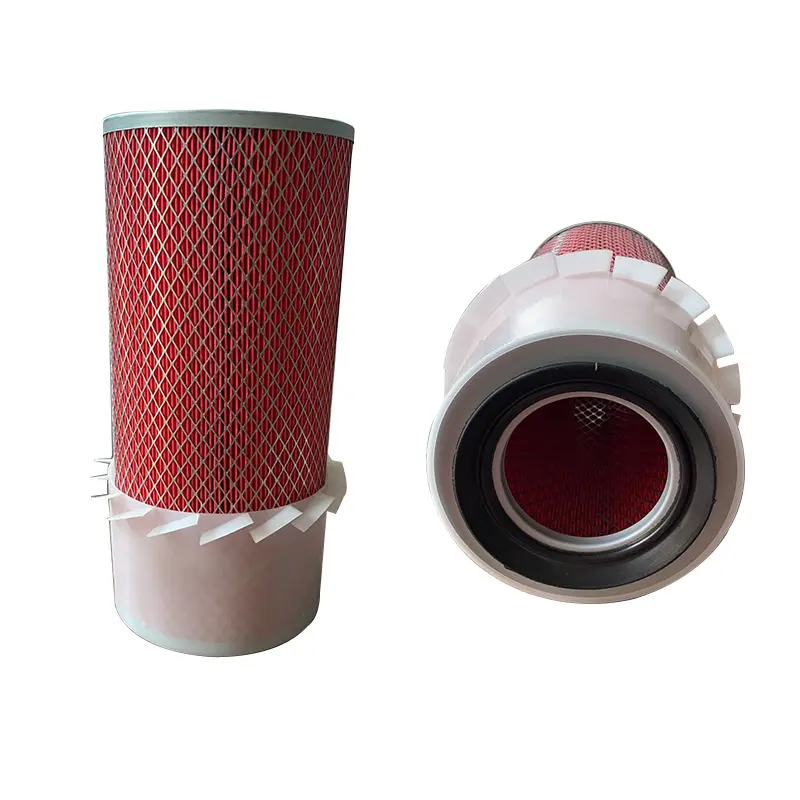 AIR FILTER