China Top 10 Auto Filter Brands You Should Know?
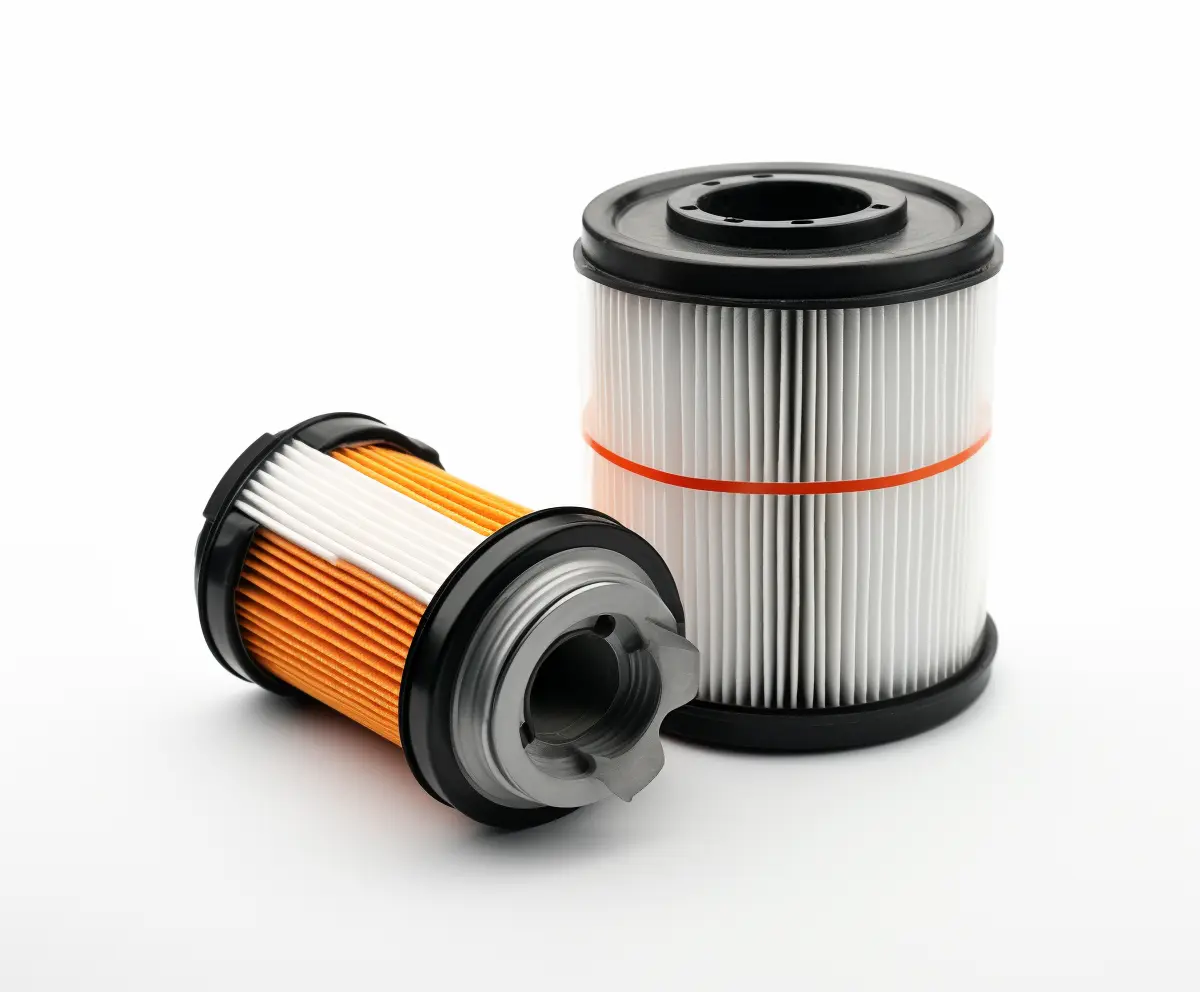
In the automotive industry, the importance of quality auto filters cannot be overstated. Auto filters play a crucial role in maintaining engine efficiency and prolonging vehicle lifespan. Many brands offer various types of filters, each with distinct features. However, not all brands meet high-quality standards.
China's automotive filter market is diverse. Some brands stand out due to their innovation and reliability. These top brands prioritize performance, enhancing engine protection. Consumers often struggle with choices, given the numerous options available. They need reliable information to make informed decisions.
Understanding the leading auto filter brands in China can aid buyers in selecting the right products. It’s essential to recognize that brand reputation does not always guarantee quality. Some lesser-known brands might perform exceptionally well. Hence, exploring different options and seeking out customer feedback can be beneficial. Overall, selecting the right auto filter requires a blend of brand trust and personal research.
Overview of Auto Filter Industry in China
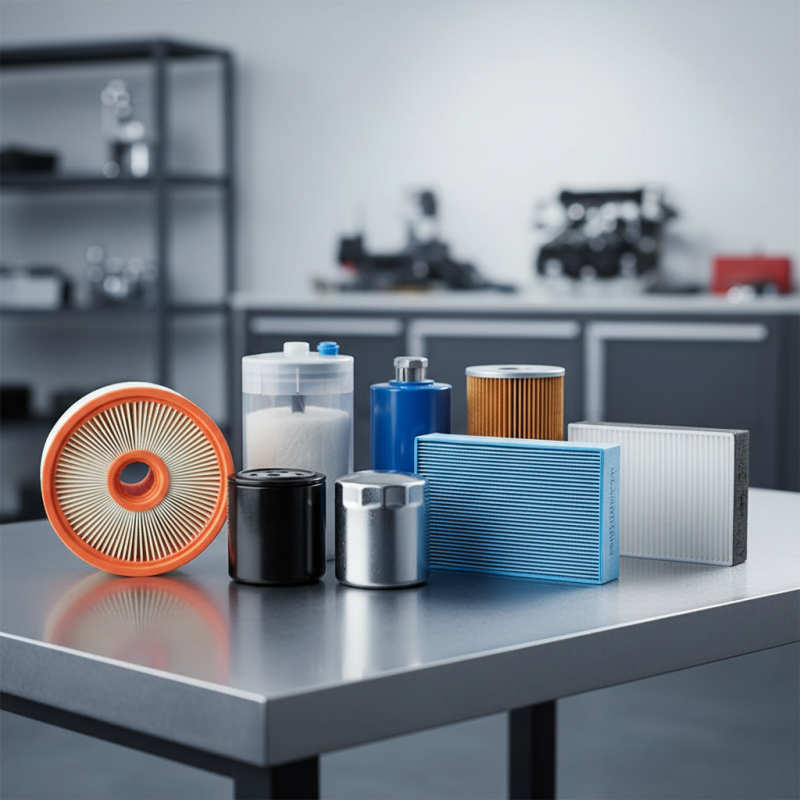
The auto filter industry in China has witnessed rapid growth over the past decade. This surge is fueled by increasing vehicle production and the rising awareness of air quality and environmental standards. Auto filters are essential components, crucial for maintaining vehicle performance and longevity. They trap harmful contaminants, ensuring cleaner air and fluid systems within vehicles.
However, the Chinese auto filter market faces challenges. While there are many manufacturers, quality control remains inconsistent. Some products may not meet stringent standards, raising concerns among consumers. Additionally, the fast-paced growth leads to fierce competition. Companies often prioritize volume over quality, which can compromise reliability.
As innovation continues, the integration of advanced materials and technologies is vital. For instance, the shift towards synthetic filters could offer improved performance and durability. Furthermore, as electric vehicles begin to dominate the market, the demand for innovative filters will evolve. Companies must adapt to these changes, balancing speed with quality in their production processes.
Detailed Profiles of the Top 10 Auto Filter Brands
When exploring the top auto filter brands in China, understanding their unique offerings is crucial. Each brand has its specialties, such as air filters, oil filters, and fuel filters. Checking for certifications can indicate the quality of their products. Look for filters that meet international standards, as this ensures reliability and performance.
Tips: Always opt for filters that align with your vehicle’s specifications. A mismatched filter can cause engine issues. Regularly replacing your filters enhances engine efficiency and prolongs the vehicle's lifespan.
Many brands provide detailed profiles about their products. These profiles often include information on manufacturing processes and material quality. It’s essential to consider these details. Some brands may prioritize cost over quality, which can lead to subpar products. Research user reviews and performance ratings to gauge brand reliability.
Tips: Be wary of deals that seem too good to be true. Low prices may indicate lower quality or inadequate filtration. Investing in a more reputable filter benefits your vehicle in the long run.
China Top 10 Auto Filter Brands You Should Know
| Rank |
Brand Origin |
Product Types |
Market Share (%) |
Annual Revenue (Million USD) |
| 1 |
China |
Oil Filters, Air Filters |
25 |
150 |
| 2 |
Japan |
Fuel Filters |
20 |
130 |
| 3 |
Germany |
Cabin Filters |
18 |
110 |
| 4 |
USA |
Air Filters |
15 |
90 |
| 5 |
South Korea |
Oil Filters, Air Filters |
12 |
70 |
| 6 |
Italy |
Fuel Filters |
10 |
60 |
| 7 |
Sweden |
Cabin Filters |
8 |
50 |
| 8 |
France |
Air Filters |
5 |
30 |
| 9 |
UK |
Oil Filters |
4 |
25 |
| 10 |
Russia |
Cabin Filters |
2 |
15 |
Comparative Analysis of Market Share and Performance
The automotive filter market in China showcases a diverse array of brands, each vying for dominance. A comparative analysis reveals that some brands hold significant market shares due to their innovative technology and robust distribution strategies. Performance metrics often highlight efficiency and longevity, crucial factors for consumer preference.
Many brands focus on extensive R&D, developing filters that enhance vehicle performance and air quality. Yet, challenges arise in consumer awareness and brand loyalty. Customers often lack clarity on what defines a high-quality filter. This gap underscores the need for better marketing and education regarding filter technology and benefits.
While some brands excel in market presence, others struggle with consistency and reliability. This inconsistency invites reflection on brand management practices. In a market that continuously evolves, maintaining customer trust is vital for long-term success. Moving forward, brands must adapt, ensuring they meet both consumer needs and environmental standards.
Future Trends and Innovations in Auto Filter Technology
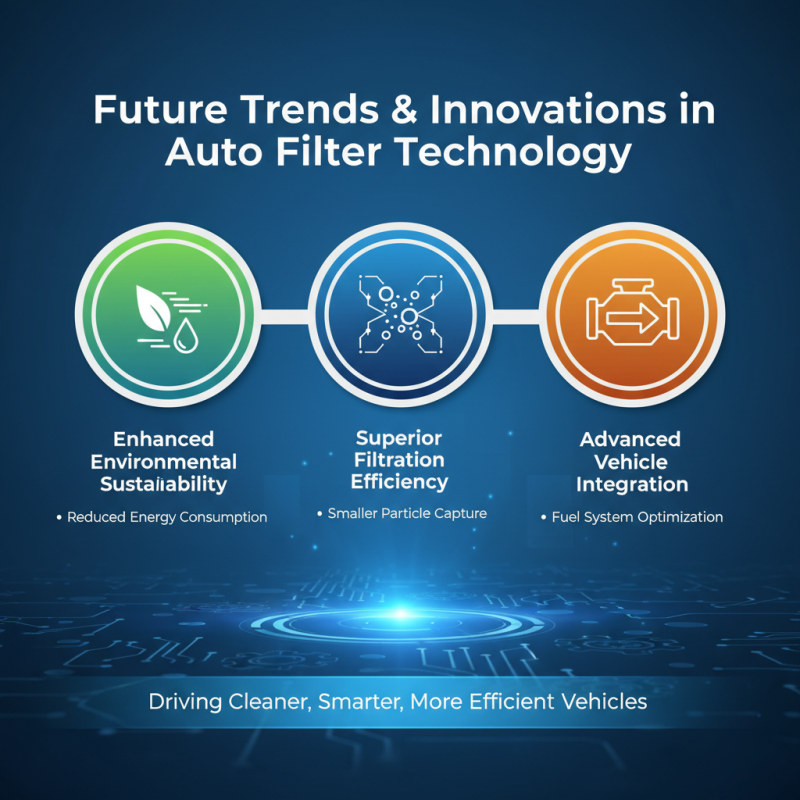
The future of auto filter technology is evolving rapidly. Innovations are pushing the boundaries of filtration efficiency and environmental sustainability. Modern filters are being designed to capture even smaller particles while reducing energy consumption. This is crucial as vehicles become more efficient in their fuel use.
New materials are entering the market. Advanced synthetic fibers and nanotechnology enhance the filter's performance. These advancements promise longer lifespans and better filtration. However, there are challenges to consider. The balance between cost and innovation often needs more discussion. Sustainable materials can be more expensive, impacting overall affordability.
Moreover, the role of automation in manufacturing filters is gaining traction. Automated processes can improve precision in production. However, reliance on technology can pose risks to quality inspection. As the market grows, it must ensure that quality control adapts alongside production innovations. The future looks promising but requires careful navigation of these complexities.

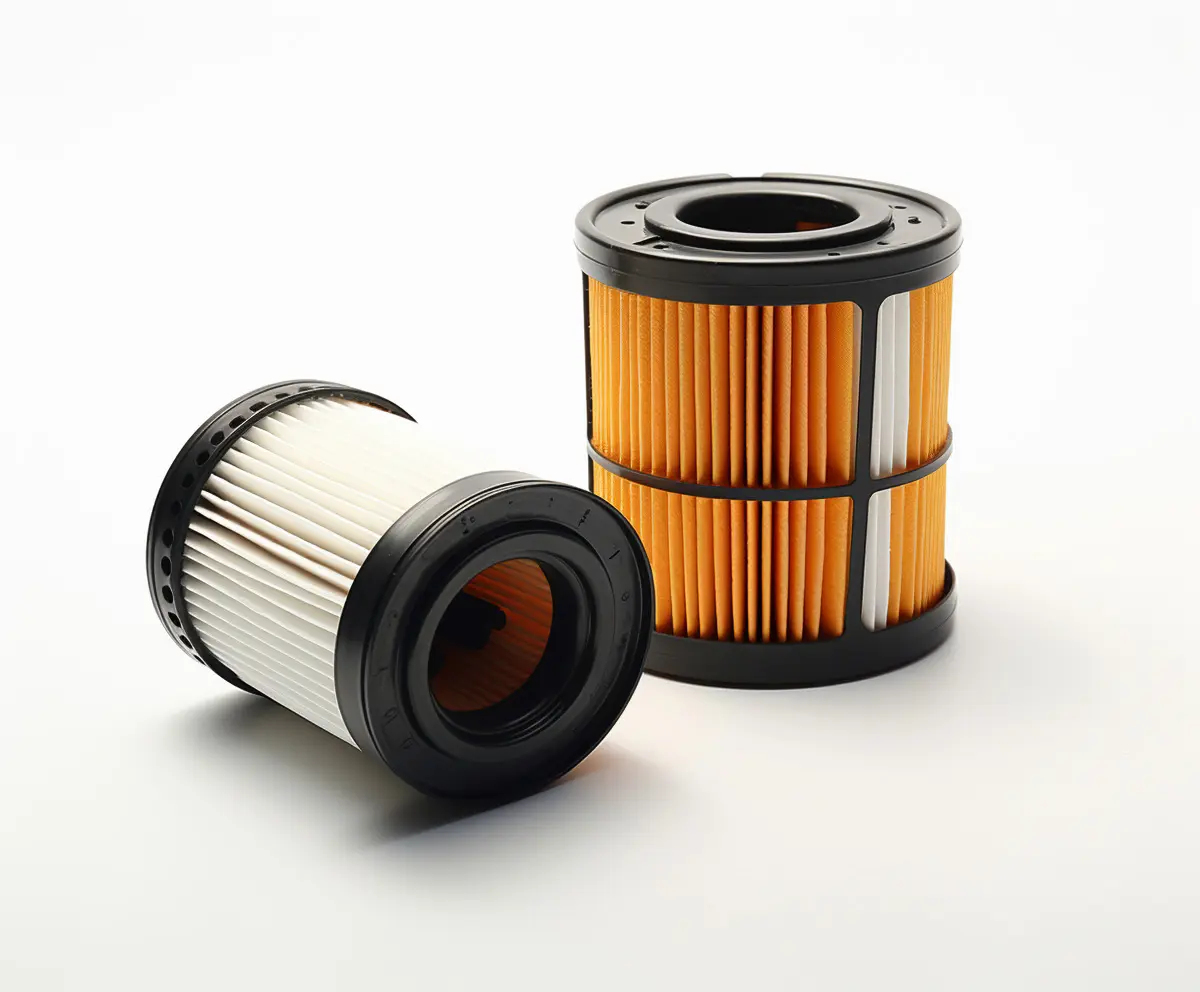 Products
 FUEL FILTER
 OIL ELEMENT FILTER
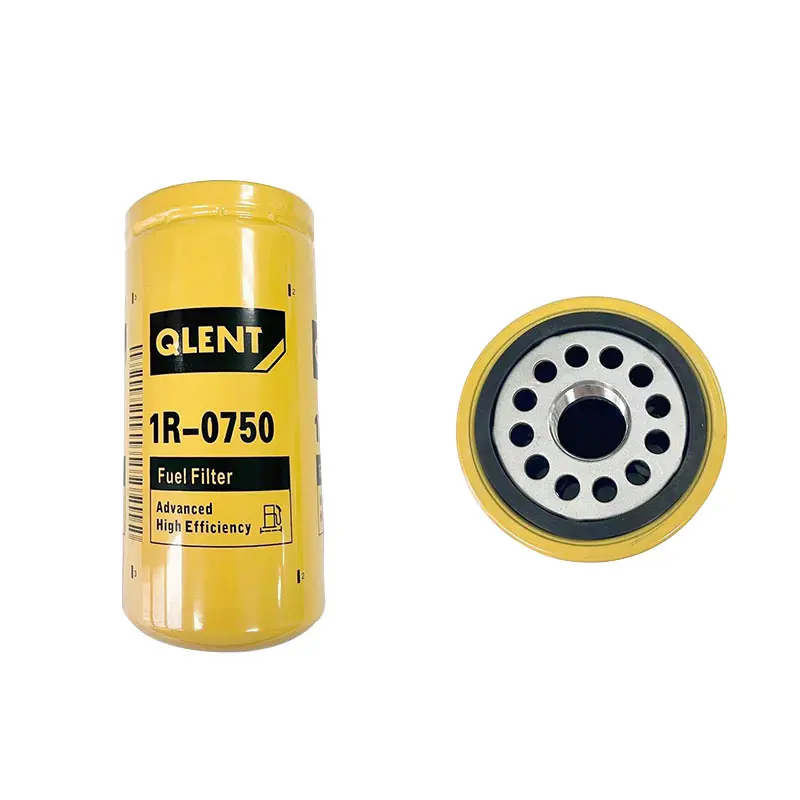 OIL FILTER
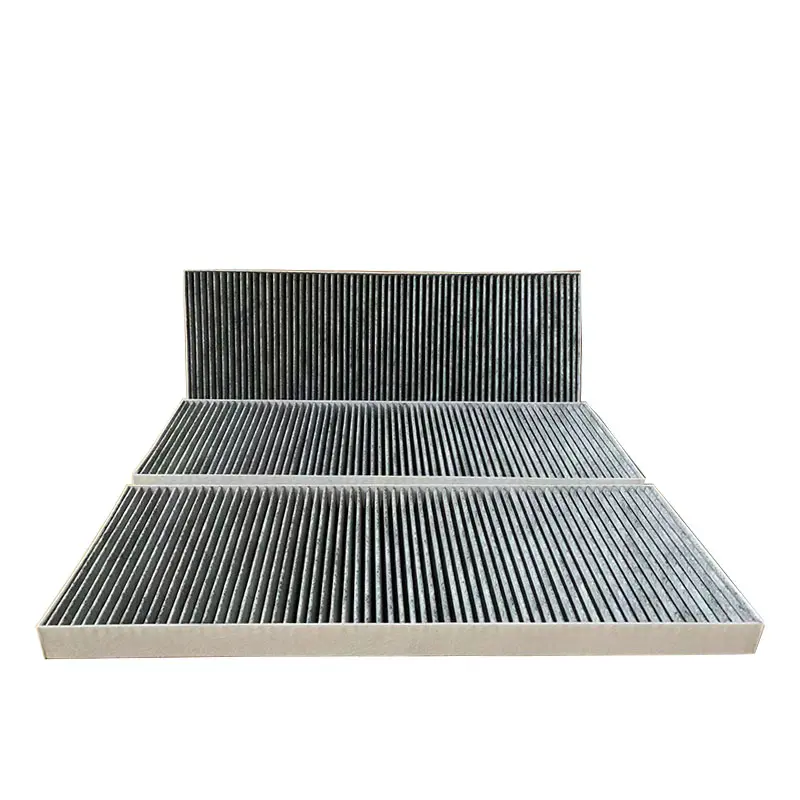 CABIN FILTER
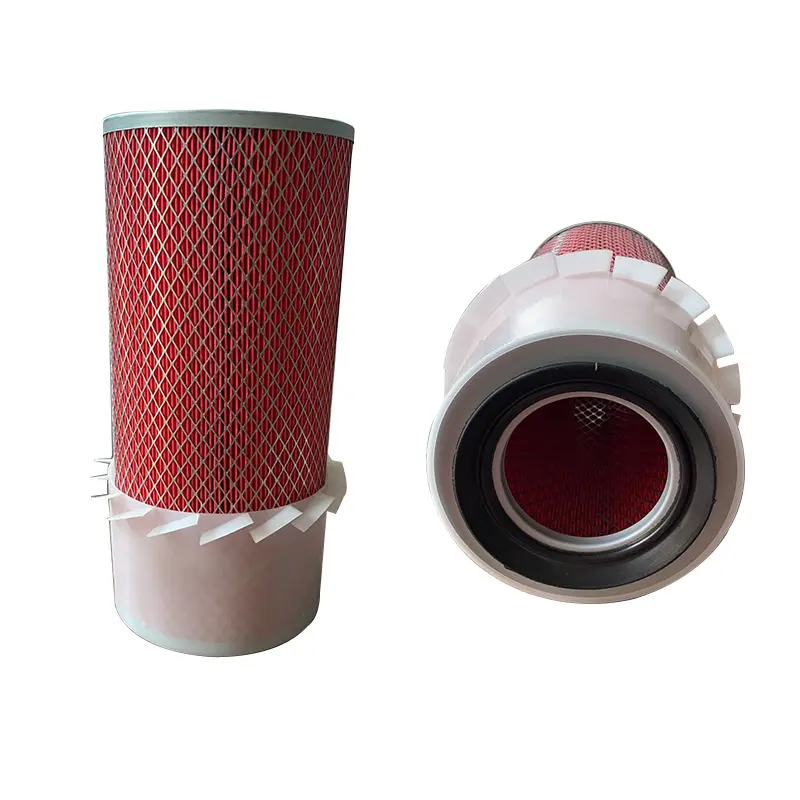 AIR FILTER