Why Is an Engine Filter Essential for Your Vehicle Maintenance?
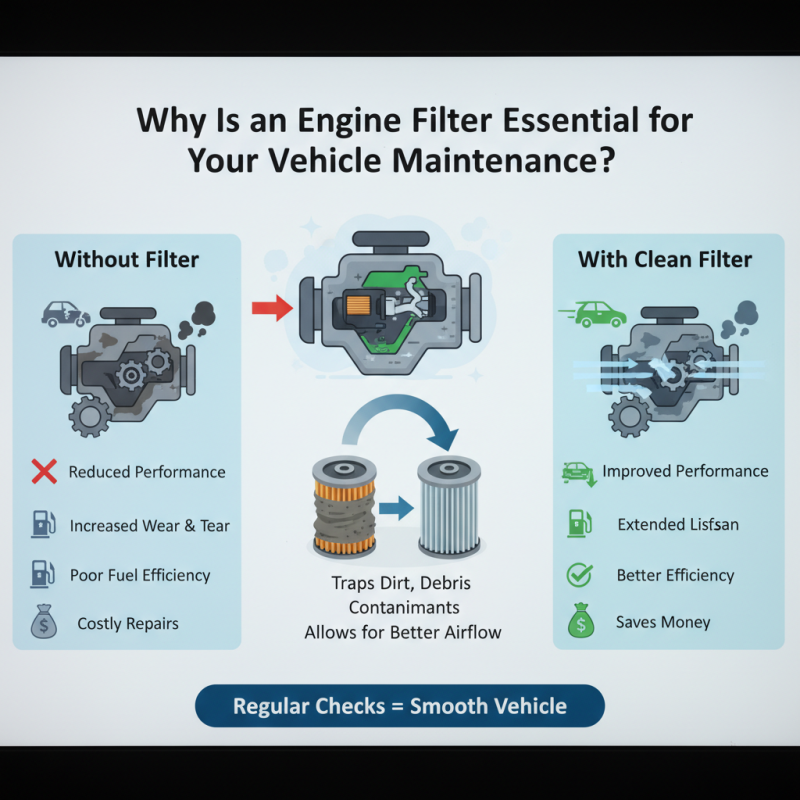
An engine filter is a critical component of vehicle maintenance. It plays a vital role in keeping your engine clean and efficient. Without it, your vehicle may suffer from reduced performance and increased wear and tear.
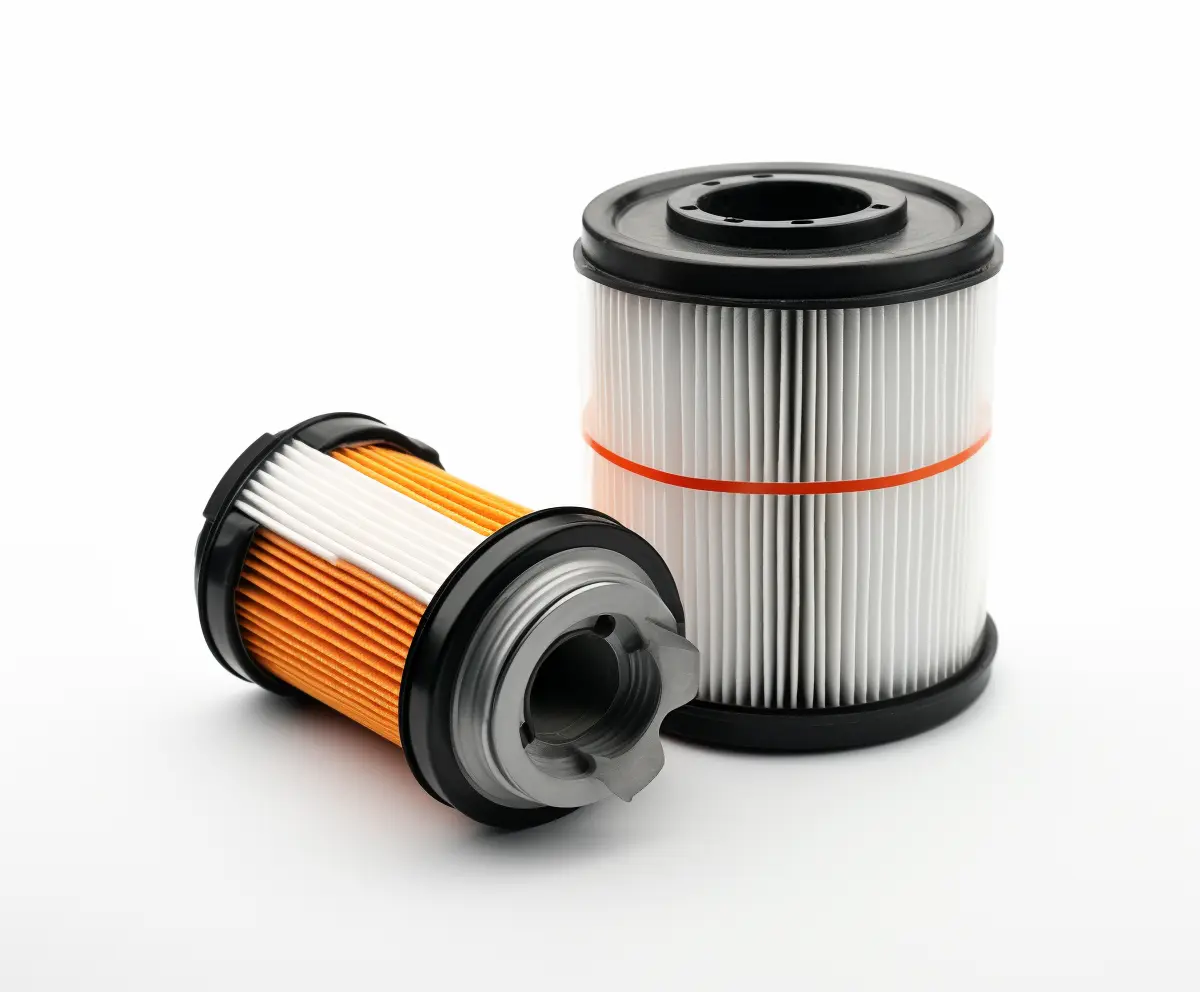
The engine filter traps dirt, debris, and contaminants. These particles can cause significant damage if they enter the engine. Regularly replacing the engine filter can extend your vehicle's lifespan. It can improve fuel efficiency too. A clean filter allows for better airflow, which boosts engine performance.
Many drivers neglect the engine filter, prioritizing other maintenance tasks. However, ignoring it can lead to costly repairs down the line. A simple filter change can save you money and trouble. Understanding the importance of the engine filter is essential for every car owner. Regular checks can prevent serious issues, ensuring your vehicle runs smoothly.
Importance of Engine Filters in Vehicle Maintenance
Engine filters play a crucial role in vehicle maintenance. They ensure that only clean air and oil circulate through the engine. This helps to protect vital components from dirt and debris. A dirty filter can lead to decreased performance and efficiency. Over time, neglecting to change these filters can result in significant damage.
Regular inspection of engine filters is necessary. Drivers often forget this key aspect. They may not realize that a clogged air filter can reduce fuel efficiency. Similarly, an oil filter that is not replaced can allow contaminants to impact engine performance. These issues can lead to costly repairs down the line.
Many assume that engine filters last forever. However, this is far from the truth. Environmental factors like dust and pollution can accelerate filter wear. It’s important to check filters regularly, especially during routine maintenance. Understanding the role of engine filters can help extend the life of your vehicle.
Importance of Engine Filters in Vehicle Maintenance
Types of Engine Filters and Their Functions
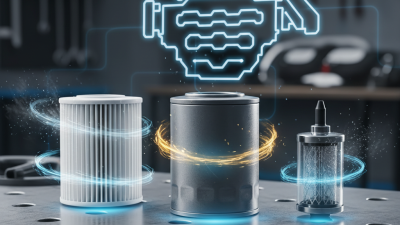
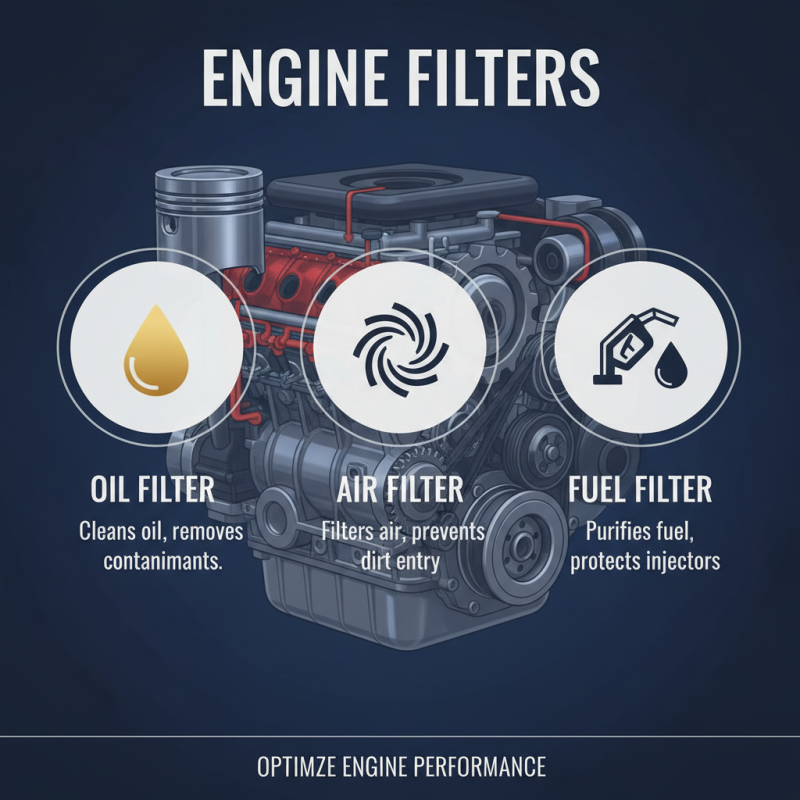
Engine filters play a crucial role in vehicle maintenance. There are several types of filters, each designed for specific functions. The three main filters are the oil filter, air filter, and fuel filter. Each one helps to keep your engine running smoothly and efficiently.
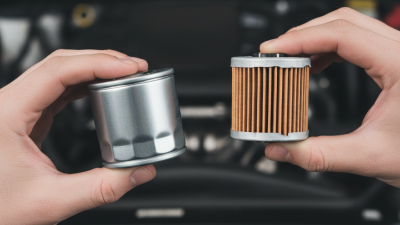
The oil filter removes contaminants from the engine oil. Clean oil ensures that engine parts do not wear down quickly. According to a recent industry report, replacing your oil filter regularly can extend engine lifespan by 10 to 15 percent. The air filter, on the other hand, prevents dirt and debris from entering the engine. A clean air filter can improve fuel efficiency by up to 10 percent. Lastly, the fuel filter ensures that only clean fuel reaches the engine. Dirty fuel can result in poor engine performance and can damage components.
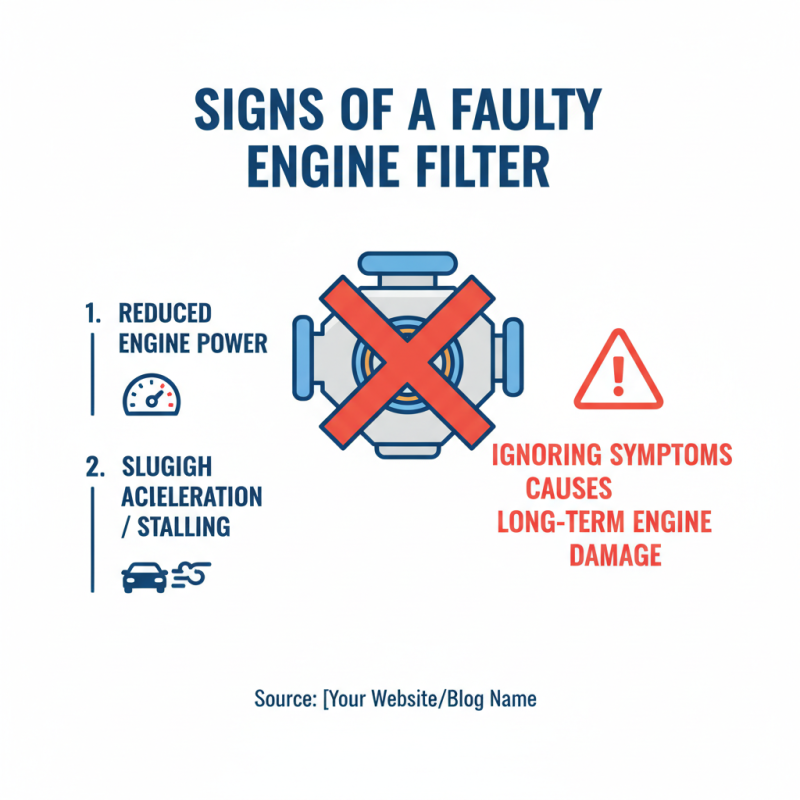
Tips: Regularly check your engine filters. A clogged air filter can reduce acceleration and power. Additionally, oil filters should be replaced with every oil change. This simple step can save money on repairs in the long run. Remember, neglecting these filters can lead to larger, costlier issues.
How to Properly Replace an Engine Filter
Replacing an engine filter is a key part of vehicle maintenance. It helps keep your engine clean and efficient. A dirty engine filter can restrict airflow. This could lead to reduced performance and even engine damage. Recognizing when to replace the filter is crucial. Most manufacturers recommend changing it every 15,000 to 30,000 miles. However, driving habits and conditions can affect this.
To replace an engine filter, start by consulting your vehicle's manual. This will guide you through specific steps. Gather necessary tools such as a wrench and a new filter. Before beginning, ensure the engine is cool. Locate the engine filter; it’s usually near the engine block. Remove the old filter carefully, as it may contain oil. Clean the area around the filter mount. Install the new filter by hand-tightening it. Be cautious not to over-tighten.
After replacing the filter, check for leaks. Run the engine briefly and inspect for any issues. Remember, regular maintenance can help prevent problems later. Don't overlook this simple task. Neglecting it may cost you more in repairs down the road. Being attentive to engine health pays off in the long run.
Why Is an Engine Filter Essential for Your Vehicle Maintenance? - How to Properly Replace an Engine Filter
| Parameter |
Description |
Frequency of Replacement |
Signs of Clogging |
| Engine Oil Filter |
Filters contaminants and particles from engine oil |
Every 5,000 to 10,000 miles |
Engine knocking, lower oil pressure |
| Air Filter |
Prevents dust and debris from entering the engine |
Every 12,000 to 15,000 miles |
Decreased acceleration, increased fuel consumption |
| Fuel Filter |
Cleans the fuel before it reaches the engine |
Every 30,000 to 40,000 miles |
Engine stalling, poor fuel efficiency |
| Cabin Air Filter |
Filters allergens and pollutants from the air inside the vehicle |
Every 15,000 to 20,000 miles |
Musty odors, reduced airflow from vents |
Best Practices for Maintaining Engine Filters
Maintaining engine filters is crucial for optimal vehicle performance. Engine filters trap dirt, debris, and impurities before they can reach vital engine components. A clean filter allows air and oil to flow smoothly, enhancing efficiency. According to industry reports, a clogged engine air filter can decrease engine performance by up to 10%. This is a significant loss for drivers seeking optimal fuel efficiency.
Regular inspection and replacement of engine filters can prevent such performance drops. Recommendations often suggest changing air filters every 12,000 to 15,000 miles. However, driving conditions can alter this timeline. For instance, frequent driving on dusty roads may warrant more frequent replacements. Checking oil filters at every oil change is also essential. Neglecting these simple tasks can lead to expensive engine repairs down the line.
The approach to filter maintenance should also include educating users on DIY checks. Some drivers may overlook signs of wear. Visible dirt accumulation can indicate the need for replacement. Creating a checklist during routine maintenance can aid in this process. This helps drivers become more proactive rather than reactive to filter issues. Making these small adjustments can lead to better engine performance and longevity.

 Products
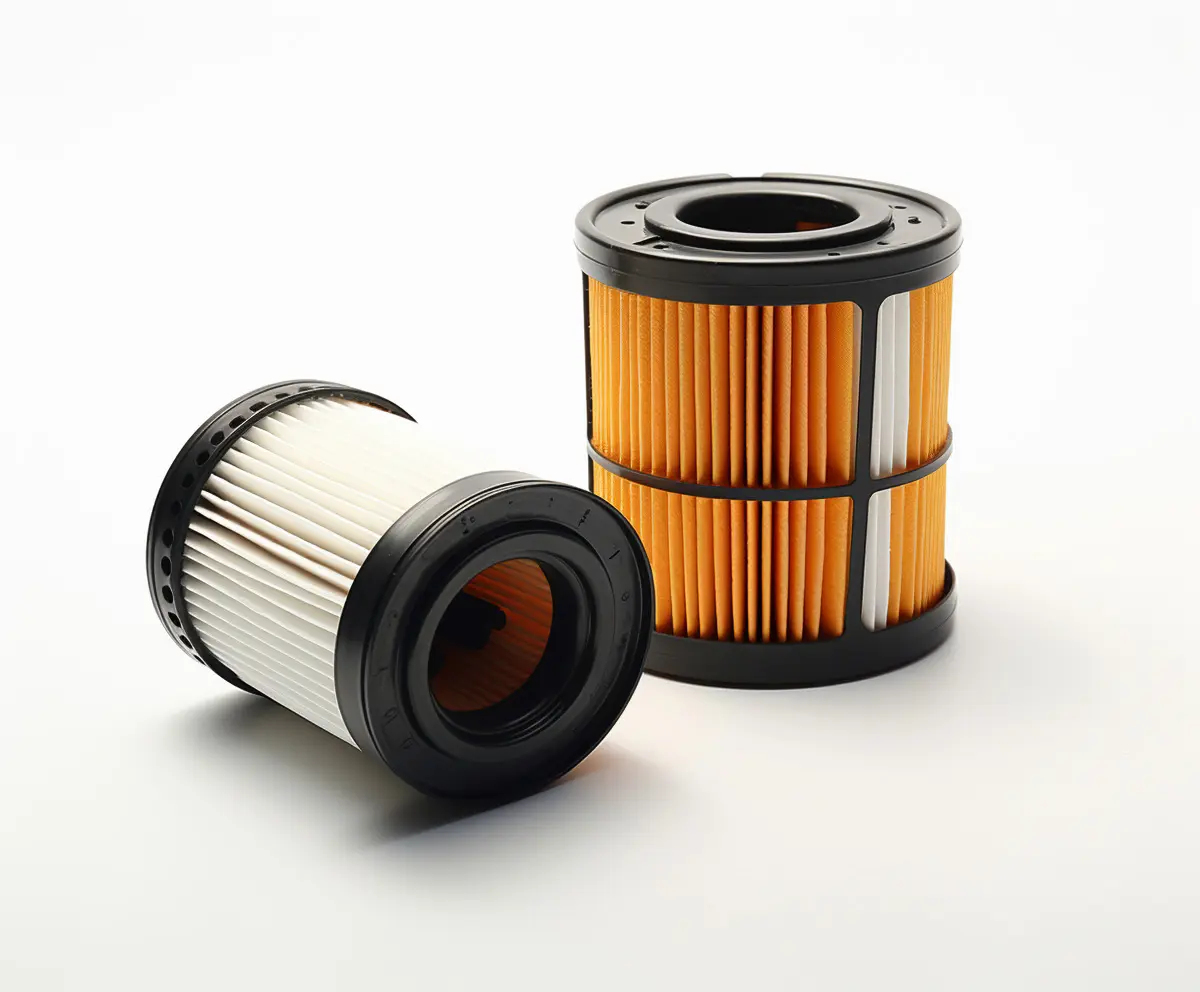
 FUEL FILTER
 OIL ELEMENT FILTER
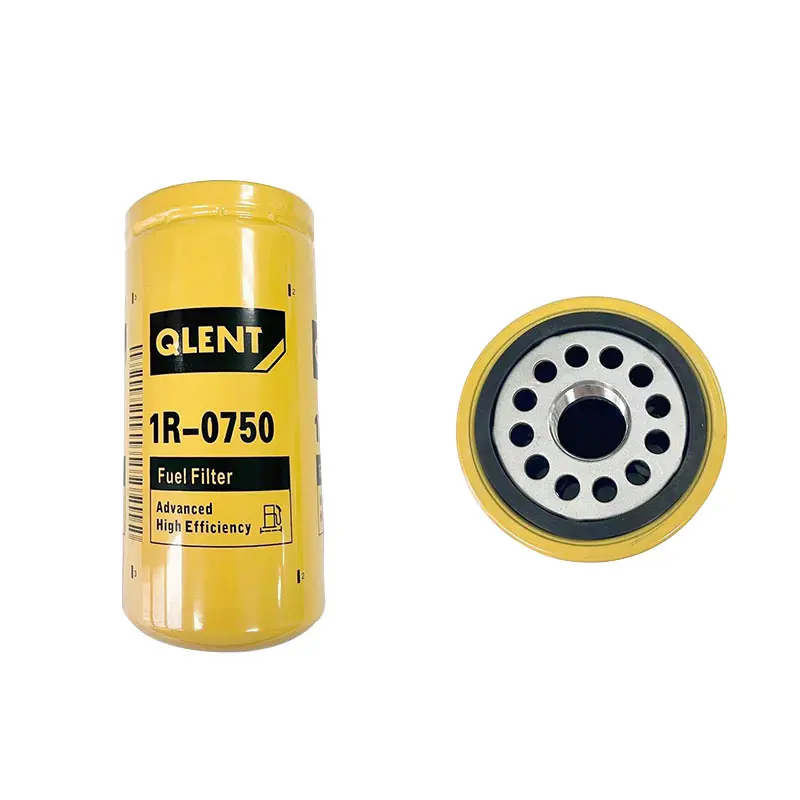 OIL FILTER
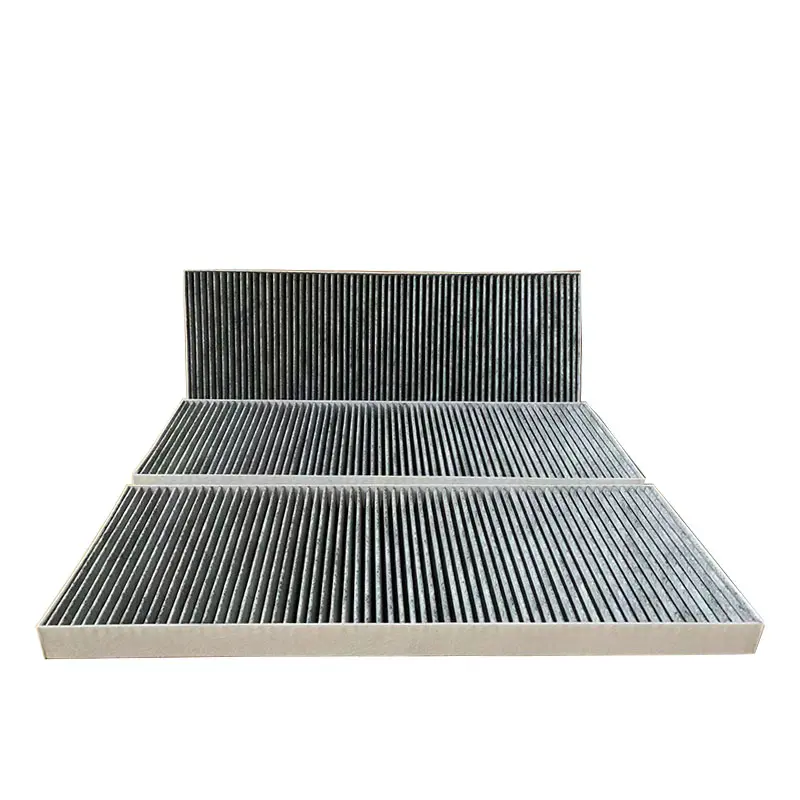 CABIN FILTER
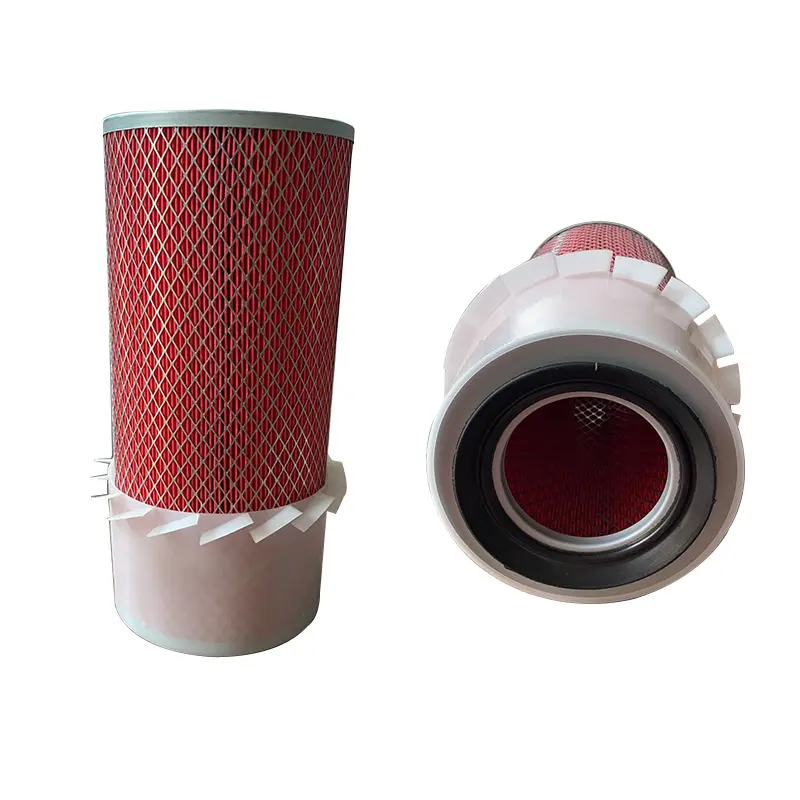 AIR FILTER