How to Choose the Best Auto Parts Filter for Your Vehicle?
Choosing the right Auto Parts Filter is crucial for your vehicle's performance. Filters help maintain clean air and fluids, extending engine life. However, many car owners overlook their importance. Poor-quality filters can lead to engine wear and reduce efficiency.
When selecting an Auto Parts Filter, consider specific needs. Different vehicles have unique requirements. Research popular brands and their reputations. Reviews often highlight what works and what doesn’t. Reliability is key. You would not want a filter that fails shortly after installation.
Checking compatibility with your car's make and model is essential. Not all filters fit every vehicle. Some may cause issues if improperly sized. Investing in a high-quality filter may cost more upfront but can save money in repairs later. Choosing wisely can be overwhelming but necessary. Take your time and consult experts when needed. Your vehicle deserves the best.
Understanding the Function of Auto Parts Filters in Vehicles
Auto parts filters play a crucial role in maintaining your vehicle's performance. They are designed to remove contaminants from air, oil, fuel, and other fluids. According to a recent industry report, nearly 70% of vehicle issues stem from dirty fluids or clogged filters. This shows just how important it is to keep an eye on your filters.
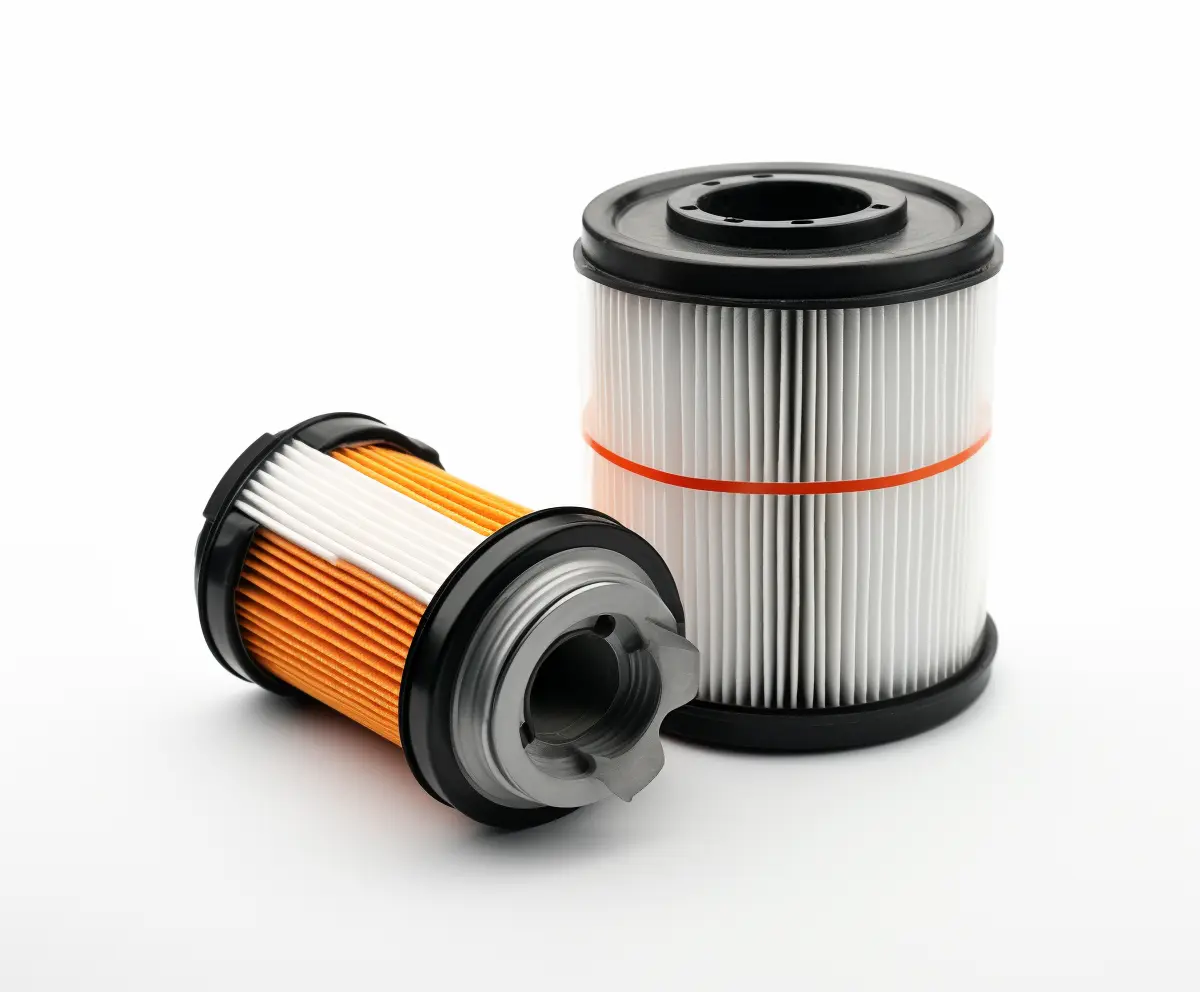
When considering filters, always examine their materials and construction. Quality filters are made from durable materials that can withstand harsh conditions. For example, a high-efficiency particulate air (HEPA) filter can capture particles as small as 0.3 microns. Remember, not all filters are created equal. Choosing an inferior filter can lead to inefficiencies and increased wear on engine components.
**Tip:** Regularly check and replace filters based on your vehicle manufacturer’s recommendations. Many motorists overlook filters during routine maintenance. Failing to replace worn-out filters can lead to decreased fuel efficiency and increased emissions.
It’s worth noting that while trying to save costs, some may opt for cheaper filters. This can backfire as it may compromise engine health. The right filter enhances performance, prolongs engine life, and improves overall vehicle efficiency.
**Tip:** Don’t ignore warning signs like reduced performance or strange noises. These could be indicators of filter-related issues. Investing in quality auto parts filters can seem costly initially, but the long-term benefits often outweigh the expenses.
How to Choose the Best Auto Parts Filter for Your Vehicle?
| Filter Type |
Function |
Recommended Change Interval |
Signs of Failure |
| Oil Filter |
Removes contaminants from engine oil |
Every 5,000 to 7,500 miles |
Engine noise, low oil pressure |
| Air Filter |
Filters air entering the engine for combustion |
Every 15,000 to 30,000 miles |
Reduced engine performance, poor fuel economy |
| Fuel Filter |
Removes impurities from fuel before it enters the engine |
Every 20,000 to 40,000 miles |
Poor acceleration, engine misfires |
| Cabin Air Filter |
Filters air entering the vehicle's cabin |
Every 15,000 to 25,000 miles |
Unpleasant odors, reduced air flow |
| Transmission Filter |
Cleans transmission fluid by trapping debris |
Every 30,000 to 50,000 miles |
Slipping gears, overheating |
Identifying the Right Type of Filter for Your Vehicle Model
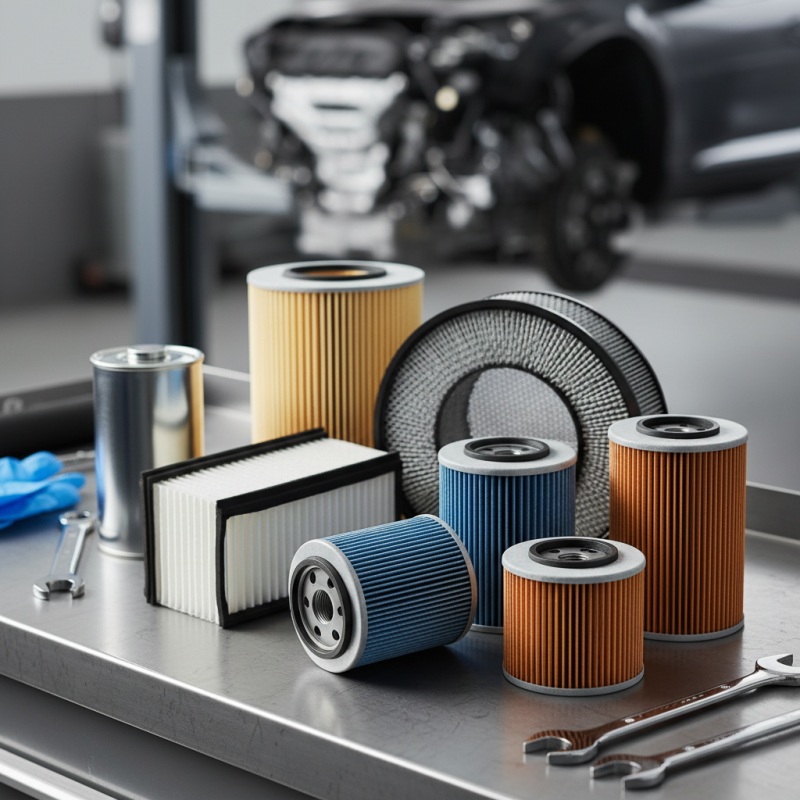
When selecting an auto parts filter, knowing your vehicle model is crucial. Different vehicles require specific filters. If you drive a sedan, it may have different needs than an SUV. This affects oil, air, and fuel filters. Research plays a vital role in making the right choice.
Check your owner’s manual for specifications. It often provides details on the types of filters needed. Online forums and expert articles can offer additional insights. Engaging with other vehicle owners gives real-life experiences. Look for common issues or recommendations.
There's also the challenge of quality. Not all filters are created equal. Some may look similar but offer different performance levels. Investing in research prevents costly mistakes. Comparing features and reading user reviews can lead to better decisions.
Evaluating Filter Quality: What to Look For in Auto Parts Filters
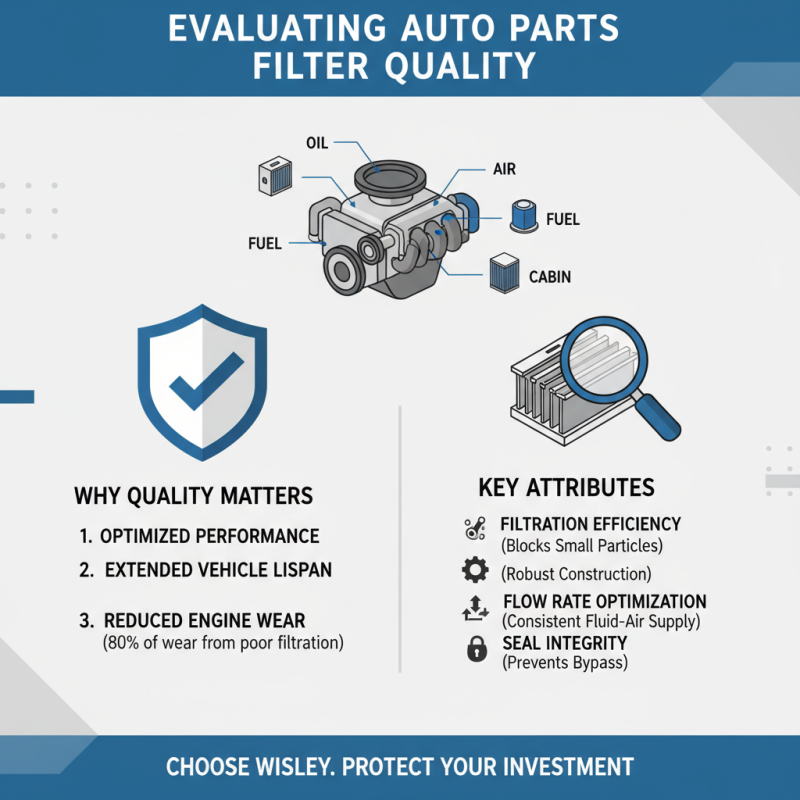
When selecting auto parts filters, quality is paramount. The effectiveness of a filter directly impacts the vehicle’s performance and lifespan. A study by the Automotive Aftermarket Industry Association shows that nearly 80% of engine wear comes from particles that bypass inadequate filters. Therefore, understanding what to look for becomes essential.
Durability is a crucial factor. High-quality filters utilize robust materials designed to withstand extreme heat and pressure. Look for filters constructed with superior media that can trap smaller particles. Filtration efficiency ratings are essential. Filters that meet or exceed OEM specifications provide better protection. Consider a filter's micron rating, which indicates the smallest particle size it can remove. Filters with a rating of less than 25 microns are typically more effective.
However, not all filters labeled as "premium" live up to their claims. Some lower-quality options may fail prematurely, leading to engine issues. Research reveals that around 30% of filters on the market do not meet advertised standards. Customer reviews and third-party test results can provide insights into a filter's performance. Make sure to assess filter design features, like anti-drainback valves, to ensure proper function in all conditions. Ensuring you choose wisely can significantly impact your vehicle's longevity.
Comparing Brand Options: Which Manufacturers Stand Out?
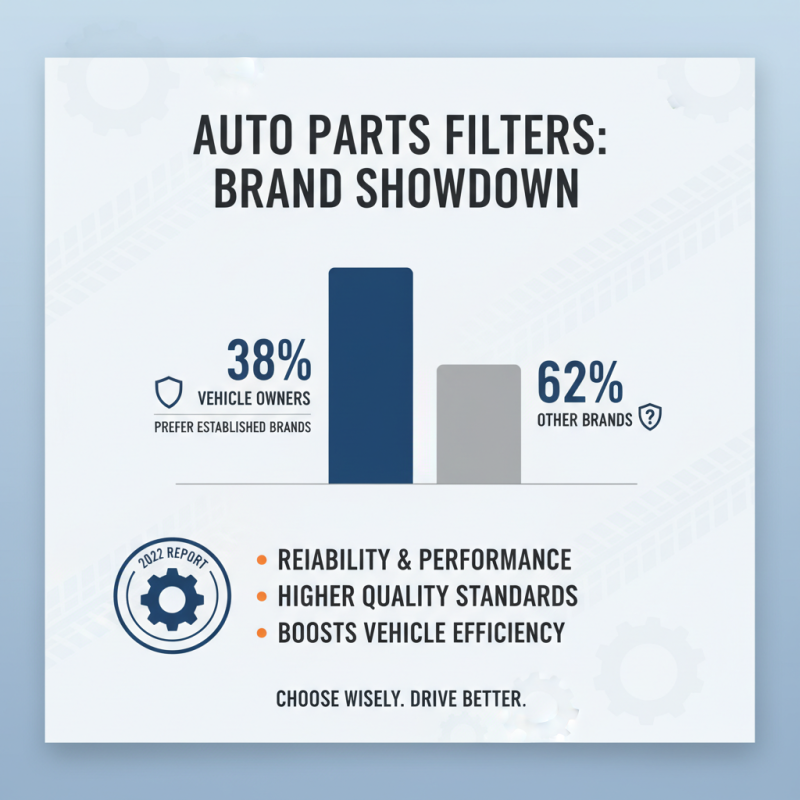
When selecting the right auto parts filter, understanding brand options is crucial. The filter market is vast, with many manufacturers trying to capture consumer attention. In 2022, a report revealed that approximately 38% of vehicle owners prefer established brands, valuing reliability and proven performance. Filters from reputable manufacturers often meet higher quality standards, which can greatly affect vehicle efficiency.
However, not all well-known brands are flawless. Some may offer inconsistent product quality or inflated prices that don't match performance. A study highlighted that around 24% of consumers experienced issues with filters from popular brands, raising concerns about their reliability. Comparing specifications, materials used, and customer feedback can be insightful.
Emerging brands are gaining traction too. They often focus on niche markets, providing specialized options that established brands lack. According to recent market analysis, smaller manufacturers experienced a 15% growth in sales last year, indicating a shift in consumer preferences. This diversity offers opportunities for vehicle owners to explore alternatives that may surprise them with performance or savings.
Tips for Proper Installation and Maintenance of Auto Parts Filters
Proper installation and maintenance of auto parts filters are crucial for vehicle efficiency. Each component plays a critical role in ensuring your engine operates smoothly. For instance, research indicates that well-maintained air filters can improve fuel efficiency by up to 10%. This enhancement is particularly significant given that even minor neglect can lead to increased emissions and reduced performance.
Installation should follow manufacturer guidelines closely. It is often wise to refer to the vehicle's user manual for specific details. Ensure that filters are fitted snugly, as loose components may lead to leaks or inefficiencies. Furthermore, during maintenance, check for any signs of wear or damage. A filter that appears excessively dirty or clogged should be replaced promptly. Ignoring these signals can lead to a decline in engine performance and longevity.
An alarming statistic reveals that 20% of vehicle owners neglect regular filter checks. This oversight can lead to costly repairs down the line. It underscores the importance of routine evaluations. If a filter appears discolored or has a noticeable odor, take action immediately. Addressing these issues proactively can save time, money, and ensure your vehicle stays in top condition.
Auto Parts Filter Performance Comparison
This bar chart displays the performance comparison of different types of auto parts filters based on their efficiency, lifespan, and maintenance needs. The data reflects common filter types used in vehicles over the years.

 Products
 FUEL FILTER
 OIL ELEMENT FILTER
 OIL FILTER
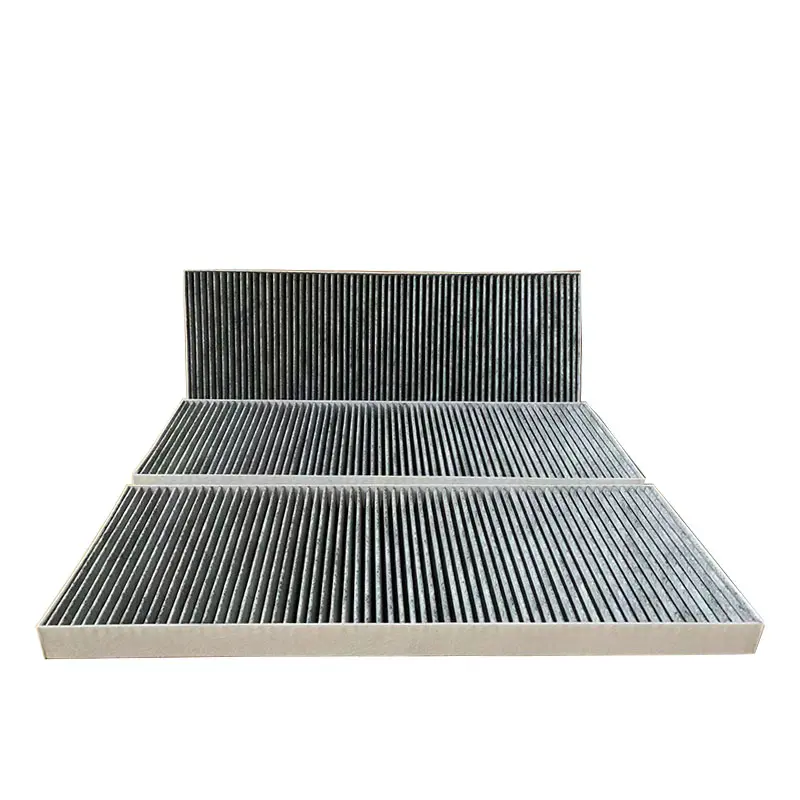 CABIN FILTER
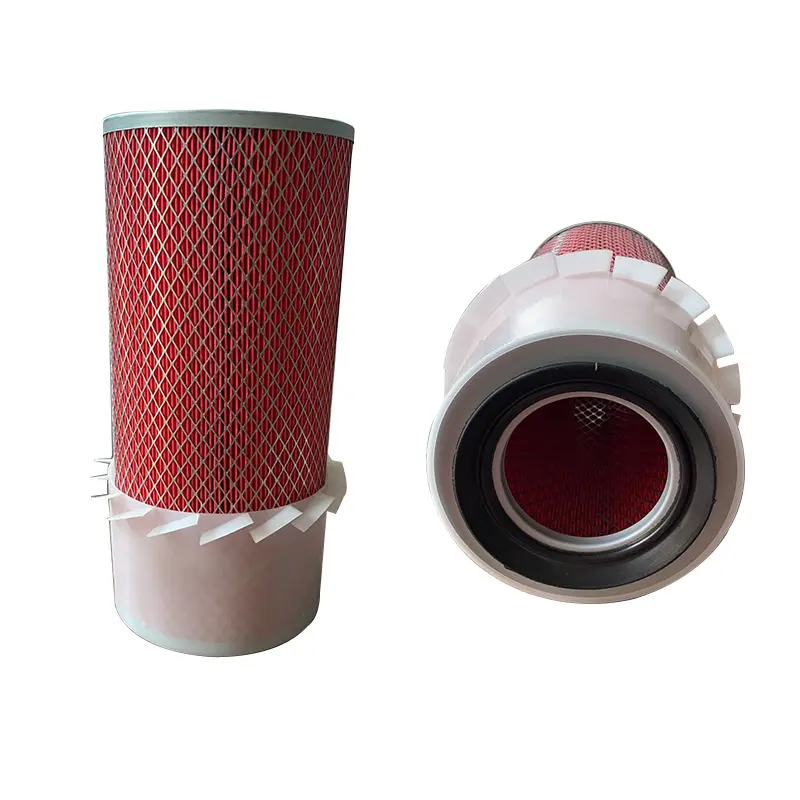 AIR FILTER