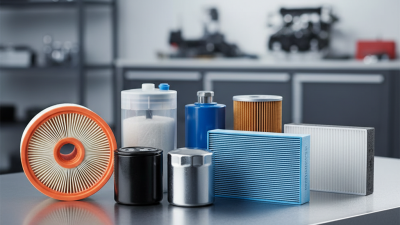
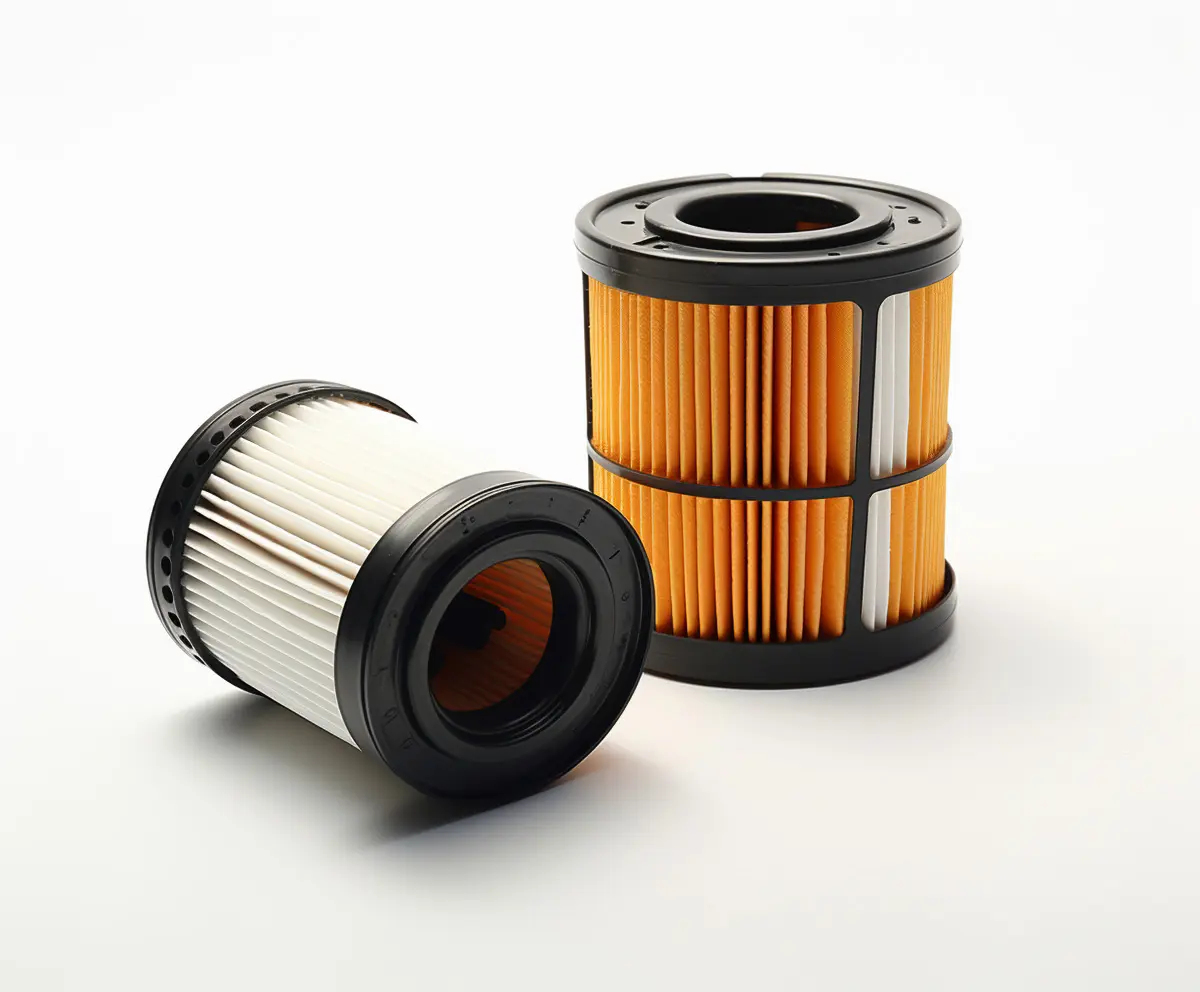
Choosing an Element Filter supplier is not simply a price comparison. It affects fluid cleanliness, equipment life, maintenance intervals, and production stability. MarketsandMarkets identifies industrial filtration as a growing global market, driven by stricter quality requirements, water reuse, and process automation. Grand View Research also reports continued demand for advanced filtration media across manufacturing, chemicals, food processing, and energy applications.
The details matter. A reliable supplier should provide verified micron ratings, pressure-drop data, media specifications, batch traceability, and consistent replacement dimensions. ISO 16889 testing can help buyers compare filter performance under controlled conditions. Yet laboratory results do not always mirror a dusty workshop, a high-temperature pipeline, or a system with sudden pressure surges. That gap deserves attention.
Dr. Mark R. Wiesner, a respected membrane-filtration researcher, has emphasized a practical principle: “Membranes do not destroy contaminants; they separate them.” The same thinking applies to many Element Filter applications. Buyers must understand where captured particles go and how often elements require replacement. The seven suppliers reviewed in this guide are assessed through product range, technical documentation, manufacturing capability, quality control, global support, and delivery reliability. Not every supplier fits every system. A low-cost element may become expensive after repeated downtime. A premium option may also be unnecessary for a simple application. This comparison is therefore a starting point, not a final purchasing decision. Verified samples and application testing remain essential.
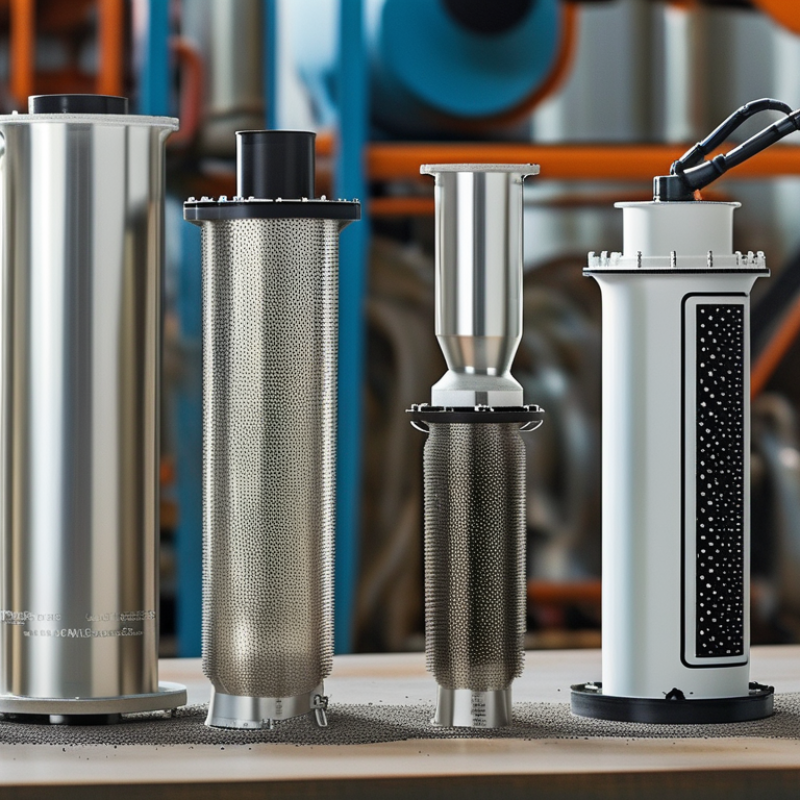
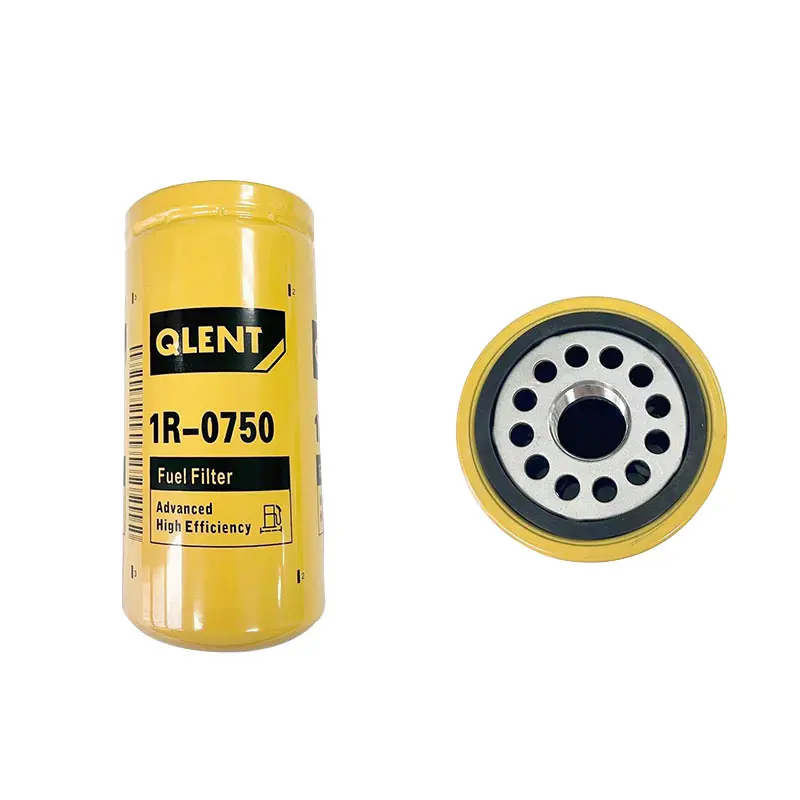
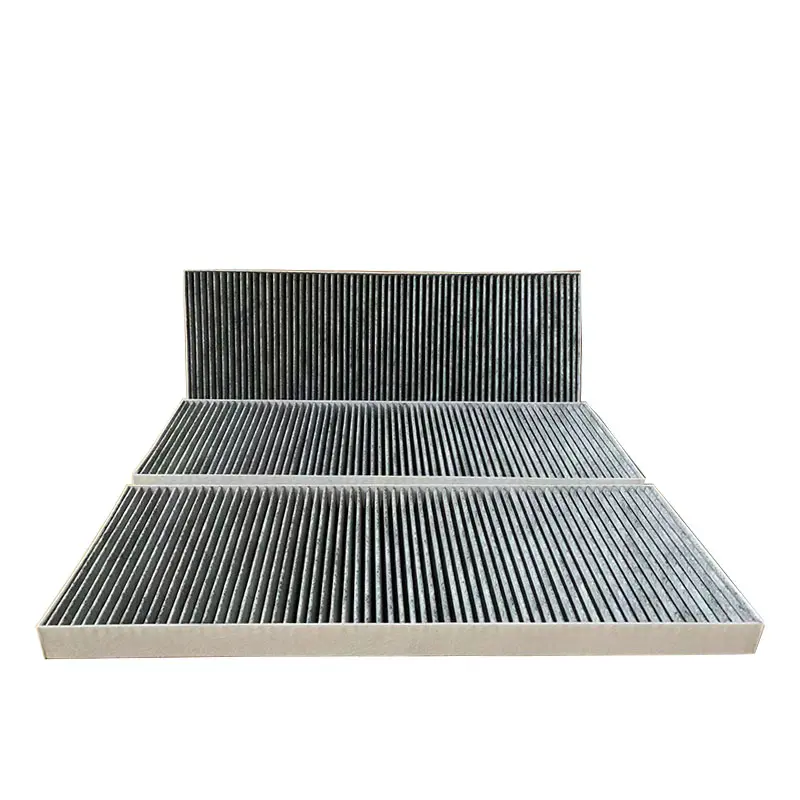
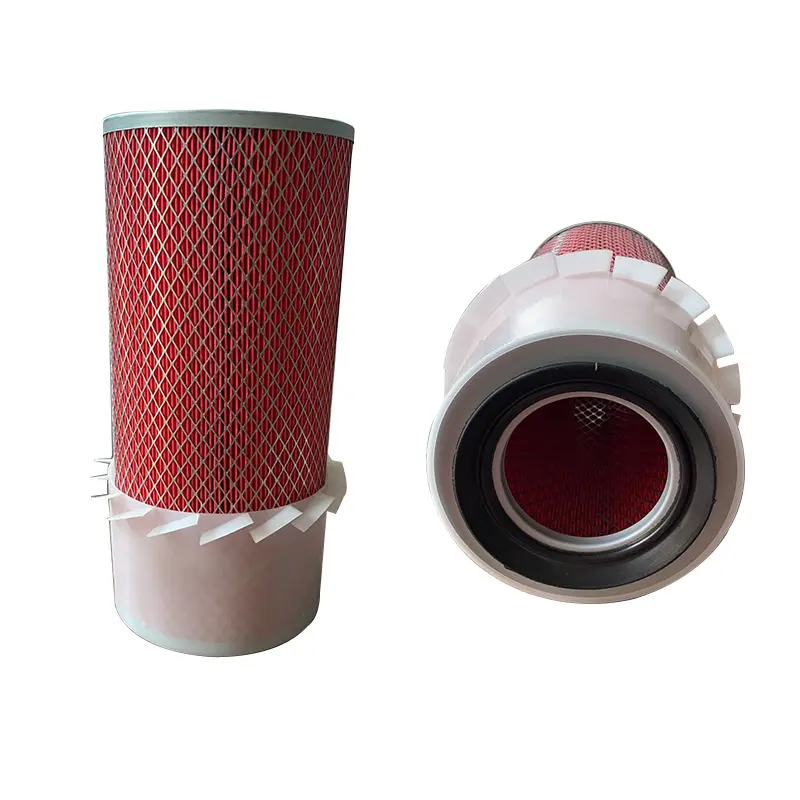
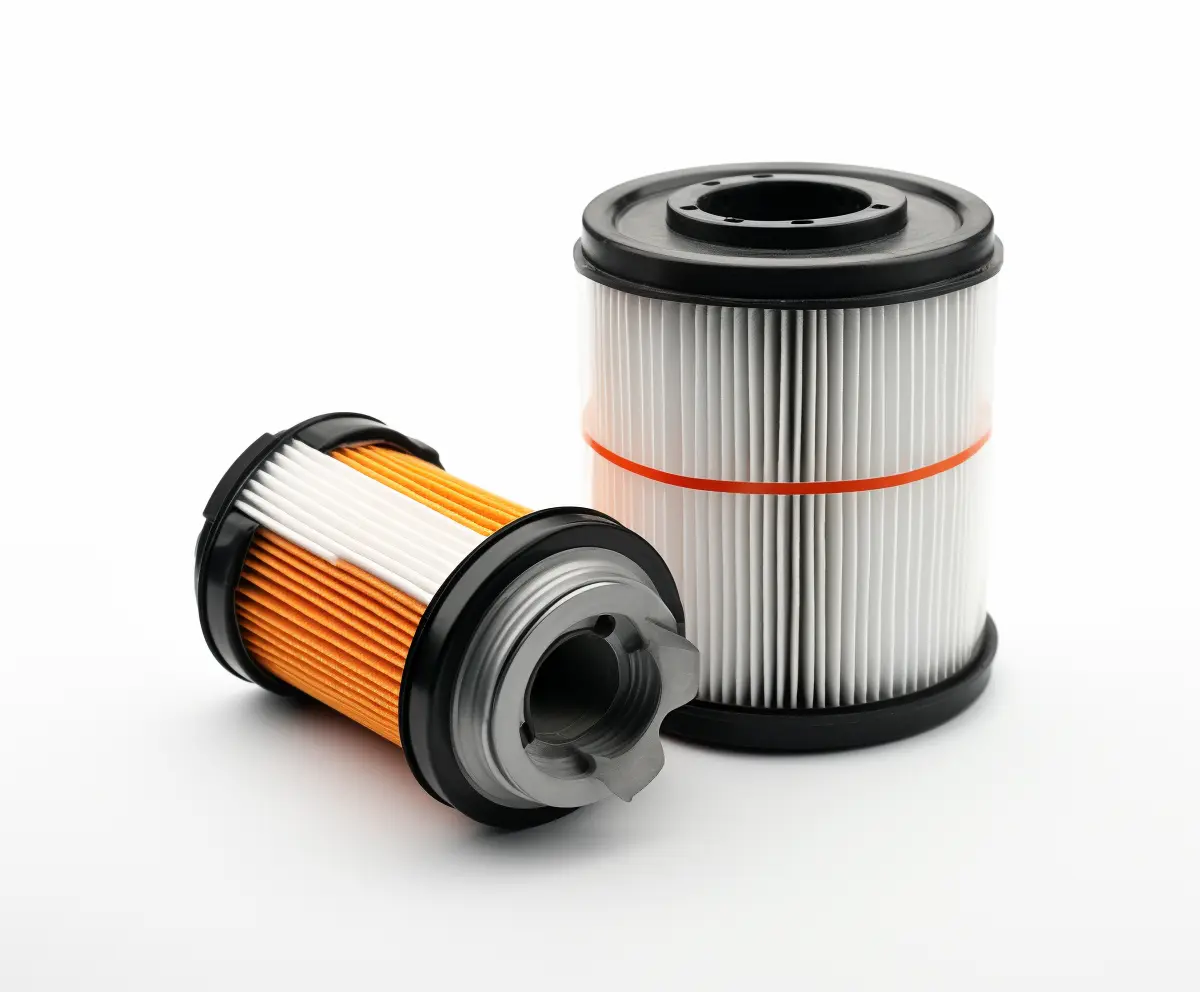
An element filter is the replaceable part that captures unwanted particles from a fluid or gas stream. It usually contains a porous medium, support layers, seals, and a protective housing. The medium may be made from cellulose, synthetic fibers, metal mesh, or sintered materials. Its performance depends on pore size, flow rate, pressure, temperature, and chemical compatibility.
These filters appear in hydraulic equipment, compressors, engines, water treatment units, and process pipelines. In a factory, one element may protect a precision valve from fine metal dust. Another may remove sediment before water enters a production line. Air systems also use elements to separate oil mist, moisture, and airborne particles. The correct filter is not always the finest one. A very tight medium can restrict flow and increase energy use.
Global buyers should ask suppliers for test data, material certificates, dimensions, and replacement guidance. Field records should show pressure-drop limits and service intervals. A supplier with clear traceability is easier to evaluate. Packaging also matters when filters cross humid or dusty regions. A damaged seal can ruin an otherwise suitable element.
The term “high efficiency” can mislead. Efficiency measured with one particle size may not represent real operating conditions. Buyers should compare test methods, not only percentages. Selection is rarely perfect. Actual fluid contamination, maintenance habits, and temperature changes may reveal weaknesses after installation. Small pilot tests can expose those problems before a full purchase.

How to Evaluate Element Filter Suppliers Worldwide
Choosing among the 7 best element filter suppliers requires more than comparing prices. MarketsandMarkets’ 2024 Industrial Filtration Market report estimates growth from about USD 33.7 billion in 2024 to USD 46.7 billion by 2029. This expansion increases supplier choices, but quality can vary sharply. Check filter media, micron ratings, pressure limits, fluid compatibility, and production capacity. A supplier should provide clear test records, batch traceability, and stable specifications.
Technical evidence matters. ISO 16889 supports multi-pass performance testing, while ISO 2941 evaluates collapse and burst resistance. Ask for recent reports, not generic certificates. Confirm whether testing covers the exact element design, media, and operating fluid. Sample testing under real temperature and pressure is valuable. A polished document can still hide weak performance.
Tips: Build a scorecard with quality, lead time, warranty response, documentation, and total landed cost. Request three production samples from different batches. Inspect sealing surfaces, pleat consistency, and label accuracy. Verify export packaging and replacement availability in your region. Do not select the lowest quotation automatically. It may create higher downtime costs later. Also, supplier websites are useful, but independent audits and customer references provide stronger evidence.
| Anonymous Supplier Profile | Typical Filter Element Range | Common Filtration Media | Suitable Industries | Typical Filtration Rating | Quality and Compliance Indicators | Customization Capability | Global Buyer Evaluation |
|---|---|---|---|---|---|---|---|
| Profile 1 Industrial Liquid Filtration Specialist |
Cartridge, bag-filter, pleated, and high-flow elements | Polypropylene Polyester PTFE Stainless steel | Water treatment, chemicals, coatings, food processing, and general process fluids | Approximately 0.1–100 μm, depending on element construction and test method | Documented material traceability, batch inspection, pressure testing, and an ISO 9001 quality system | High; length, end-cap style, gasket material, media grade, and connection design can usually be specified | Strong all-round option |
| Profile 2 Hydraulic and Lubrication Element Manufacturer |
Hydraulic return-line, suction-line, pressure-line, and offline filtration elements | Glass fiber Cellulose Wire mesh Stainless steel | Mobile equipment, industrial hydraulics, power generation, mining, and machine tools | Commonly specified using β-ratios such as β5, β10, or β20 rather than nominal micron rating alone | ISO 9001, cleanliness testing, collapse-pressure testing, and documented flow and pressure-drop data | High; thread, seal, bypass-valve, dimensions, and media options are frequently available | Best for hydraulic reliability |
| Profile 3 Compressed-Air and Gas Filtration Specialist |
Coalescing, particulate, activated-carbon, and sterile gas elements | Borosilicate microfiber Activated carbon PTFE Stainless steel | Compressed air, nitrogen, process gases, instrumentation air, and pneumatic systems | Typically expressed by particle removal, oil aerosol carryover, and pressure-drop performance | ISO 8573-1-related performance documentation, integrity testing, and differential-pressure monitoring options | Medium to high; housing compatibility, drain type, sealing materials, and element length may be customized | Best for clean-gas applications |
| Profile 4 Membrane and High-Purity Element Supplier |
Membrane cartridges, capsule filters, depth filters, and final polishing elements | PES PVDF PTFE Nylon | Pharmaceuticals, biotechnology, electronics, beverage processing, and high-purity water | Common pore sizes include 0.1, 0.2, 0.45, and 0.65 μm; validated retention depends on the application | Lot traceability, extractables data, integrity testing, cleanroom controls, and applicable food or pharmaceutical documentation | Medium; custom sizes and connectors are possible, but validated product configurations are usually preferred | Best for high-purity processes |
| Profile 5 Metal Sintered and Reusable Element Producer |
Sintered powder, sintered fiber, pleated metal mesh, and backwashable elements | 316L stainless steel Nickel alloy Bronze Titanium | High-temperature gas, petrochemicals, polymer processing, fluidization, and catalyst recovery | Often approximately 1–100 μm, with strength and permeability selected for process conditions | Material certificates, weld inspection, dimensional inspection, permeability testing, and pressure or burst testing | Very high; geometry, alloy, porosity, surface finish, and connection design can be engineered | Best for demanding conditions |
| Profile 6 Dust-Collection and Air-Intake Element Supplier |
Panel, pleated, baghouse, cartridge, and intake-air elements | Cellulose Synthetic fiber ePTFE membrane Polyester | Cement, woodworking, metalworking, food powders, HVAC, compressors, and industrial dust control | Performance is commonly evaluated by particle capture efficiency, airflow, dust-holding capacity, and pressure drop | ISO 9001, airflow testing, dimensional control, media certificates, and application-specific dust-test data | High; pleat count, dimensions, flange, gasket, media treatment, and antistatic options are commonly configurable | Best for air and dust control |
| Profile 7 OEM Replacement and Multi-Industry Supplier |
Replacement elements for liquid, air, hydraulic, and process filtration housings | Cellulose Synthetic media Glass fiber Stainless steel mesh | Maintenance, repair, and operations procurement across manufacturing, utilities, energy, and transport | Available in nominal or absolute ratings; actual performance should be confirmed against the original housing specification | Dimensional inspection, incoming-material control, sample approval, certificate of conformity, and traceable production records | High for non-proprietary dimensions; lower when the original element uses protected geometry or proprietary interfaces | Best for consolidated purchasing |
Buyer note: Before placing an international order, verify compatibility with the housing, operating temperature, chemical exposure, flow rate, pressure drop, sealing material, filtration test method, export packaging, minimum order quantity, lead time, warranty terms, and required certificates.
The seven best element filter suppliers serve different industrial needs, rather than offering identical products. A precision membrane supplier suits laboratories and pharmaceutical processing. A high-flow cartridge specialist fits water treatment plants and food facilities. Metal element manufacturers support high-temperature oil, gas, and hydraulic systems. Ceramic filter suppliers handle abrasive liquids and repeated cleaning cycles. Custom element producers adapt dimensions, seals, and connection types. OEM replacement suppliers focus on accurate fit and stable availability. Regional distributors add local stock, technical support, and faster shipping.
Experienced buyers should examine more than catalog prices. Ask for micron ratings, pressure-drop curves, material certificates, and batch traceability. Reliable suppliers can explain testing methods and provide sample reports. Check whether the element suits the actual fluid, temperature, pressure, and cleaning process. A filter that works in cold water may fail in hot solvent service. Documentation matters.
Global purchasing also requires practical checks. Confirm export packaging, replacement lead times, warranty terms, and communication hours. Request two samples when possible. Samples reveal gaps. Some suppliers describe broad performance ranges but provide limited field evidence. That deserves careful review. I would compare three technical quotations, inspect factory quality records, and test one element under operating conditions before approving a large order. Price still matters, but a cheap element can create higher labor costs, downtime, and disposal concerns.
For global buyers, comparing element filter suppliers requires more than price and micron ratings. The 2024 Industrial Filtration Market report by MarketsandMarkets estimates strong market growth through 2029, increasing pressure on suppliers to prove consistency. Request independent test data for filtration efficiency, pressure loss, dirt-holding capacity, and collapse resistance. ISO 16889 multi-pass results are useful for hydraulic applications, but only when the tested media and element design match your purchase specification.
Certifications need careful checking. An ISO 9001 certificate supports quality management, yet it does not guarantee superior filtration performance. Confirm the certificate’s scope, issuing body, validity, and manufacturing location. Ask whether products are tested under ISO 16889, ISO 2941, or other relevant procedures. A certificate without batch records is weak evidence. Very short.
Manufacturing capacity should be measured with documents, not impressive photographs. Compare monthly output, mold availability, media inventory, inspection equipment, and normal lead times. Ask for recent delivery records and a contingency plan for material shortages. The 2023 Global Supply Chain Pressure Index showed how quickly logistics disruptions can affect industrial purchasing, although its impact differs by region and product type. An audit can reveal practical details, such as unfinished elements stored near dust or manual sealing stations causing variation. I would not trust a supplier promising unlimited capacity without peak-production figures. Reports can guide screening, but factory evidence must decide.
Choosing among the 7 best element filter suppliers requires more than comparing prices. Your application should guide every decision. Define the fluid, operating temperature, pressure, flow rate, and required filtration level. A filter handling cooling water may fail in a chemical process.
Review the supplier’s technical documents carefully. Look for tested micron ratings, pressure-drop data, material specifications, and service-life estimates. Ask whether the data reflects real operating conditions. Request samples when possible. A polished catalog can still hide limitations. Sometimes, the cheapest option creates higher replacement costs. That mistake is easy to make.
Tips: Compare at least three suppliers using the same requirements. Check production capacity, quality-control procedures, delivery reliability, and technical support. Ask for batch records or inspection reports. Confirm that replacement elements will remain available after installation. A responsive engineer can be more valuable than a lower quotation. Still, communication alone is not proof of performance. Validate every important claim with documents, testing, or a controlled trial.