What is the Best Car Air Filter for Optimal Performance?
When it comes to maximizing vehicle performance, the importance of a high-quality car air filter cannot be overstated. Renowned automotive expert, Dr. Angela Monroe, notes, “The right car air filter can enhance engine efficiency and prolong its lifespan.” Her insight highlights a crucial fact: the car air filter is not just a minor component; it plays a key role in how your vehicle runs.
Your car's engine thrives on a clean air supply. A quality car air filter prevents dirt, dust, and contaminants from entering the engine. A dirty or worn-out filter can lead to reduced performance and lower fuel efficiency. Regular maintenance, including timely replacement of the air filter, can make a notable difference.
Finding the best car air filter can be challenging, given the numerous options available. Factors like material type, brand reputation, and compatibility with your vehicle are all important. Customers often overlook these details. Investing time in research can lead to better performance and savings in the long run.
What Are Car Air Filters and Their Importance in Vehicle Performance?
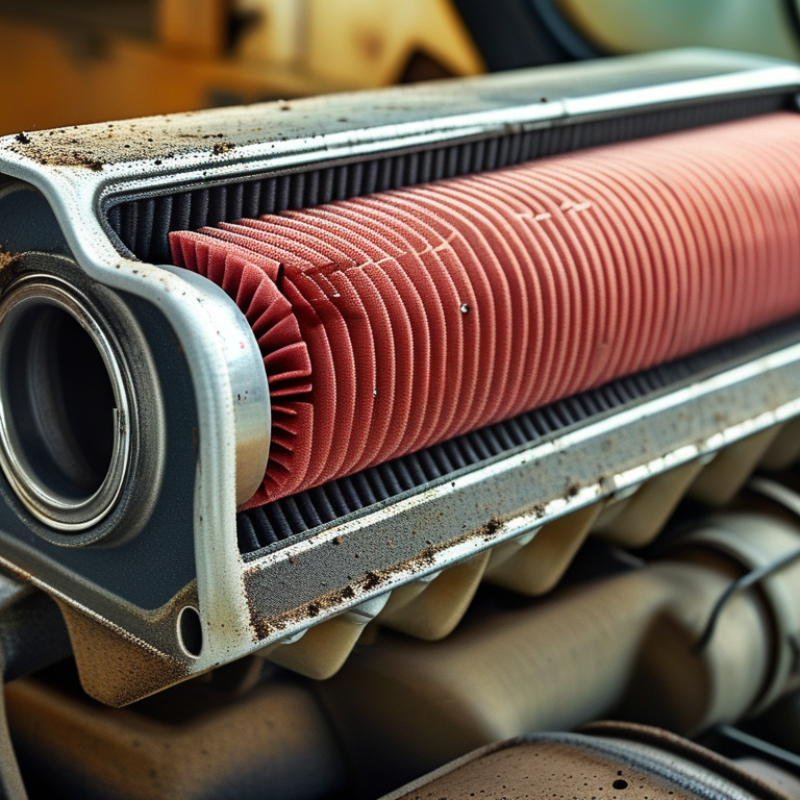
Car air filters play a crucial role in maintaining your vehicle's performance. These components filter out dust, dirt, and contaminants from the air entering the engine. Clean air is essential for efficient combustion and optimal engine functionality. When the air filter is clogged, it can limit airflow, leading to reduced power and fuel efficiency. Regularly checking and replacing your air filter can save you money on gas and repairs.
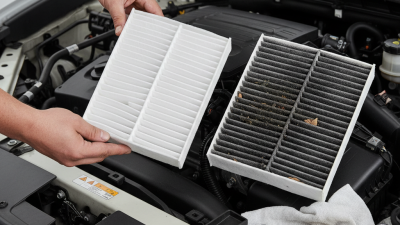
Tips to maintain your car's air filter include inspecting it every month. If it appears dirty or discolored, it's time for a replacement. In dusty environments, you might need to change the filter more frequently. Remember that a clean air filter improves airflow, resulting in better performance.
Additionally, consider using high-quality filters. They may cost more upfront but can enhance engine longevity and efficiency. A well-maintained filter can lead to smoother rides and lower emissions. Car owners sometimes forget these small details, but neglecting the air filter can lead to bigger problems down the road. Keep your vehicle running smoothly by giving attention to this essential component.
Types of Car Air Filters: Comparing Paper, Foam, and Cotton Options
When choosing a car air filter, understanding the types available is crucial. There are three main options: paper, foam, and cotton filters. Each has distinct characteristics that affect performance.
Paper filters, commonly used, are efficient at trapping dirt and debris. They provide decent airflow while maintaining good filtration. However, their performance can degrade quickly if exposed to moisture. In general, they last around 15,000 to 30,000 miles. Research shows that up to 80% of engine wear comes from poor air filtration. This makes it essential to monitor and replace paper filters regularly.
Foam filters are often washable and reusable. They offer better airflow but may let finer particles through. This option is suitable for some off-road vehicles. Data indicates that foam filters can last significantly longer than paper ones, often exceeding 50,000 miles. However, they require regular maintenance and re-oiling, which can be cumbersome for some.
Cotton filters offer a balance between the two. They can enhance horsepower and acceleration. Yet, they are typically more expensive upfront. Studies reveal that properly maintained cotton filters can last over 100,000 miles. Their longevity and performance depend heavily on installation and care. Each type of filter has pros and cons that must be weighed against specific driving conditions and maintenance habits.
Key Features to Look for in a High-Performance Car Air Filter
Choosing the right car air filter is crucial for maintaining optimal vehicle performance. Key features should include filtration efficiency, airflow capacity, and durability. High-quality air filters typically boast a filtration efficiency rate of over 99%. This ensures that harmful particles, such as dust and pollen, are effectively trapped. In contrast, lower-quality filters may only capture 85% of such particulates, which can harm your engine over time.
Airflow is another critical factor. A good air filter allows sufficient air to flow into the engine, promoting better combustion. Research indicates that restricted airflow can reduce engine power by up to 10%. Additionally, consider the material of the air filter. Synthetic materials often outperform paper filters in both filtration capacity and longevity.
**Tips:** Regular maintenance is crucial. Check your air filter every 15,000 miles. Replace it if it appears dirty or damaged. Not all filters are created equal; some may not fit perfectly, leading to air leaks. Don’t overlook the importance of proper installation. A poorly installed filter can negate its benefits. Always consult your vehicle's manual for specifications.
What is the Best Car Air Filter for Optimal Performance? - Key Features to Look for in a High-Performance Car Air Filter
| Feature |
Description |
Benefits |
| Material |
Multi-layer filtration system, usually made from foam, paper, or synthetic materials |
Improved filtration efficiency, capturing more dust and particles |
| Filtration Efficiency |
Measured by its ability to trap particles of various sizes |
Enhances engine performance and protects internal components |
| Flow Rate |
Amount of air that passes through the filter per minute |
Ensures optimal air supply for combustion, leading to better performance |
| Compatibility |
Designed to fit specific car models and engines |
Easy installation and perfect fit, ensuring no air leaks |
| Durability |
Resistance to elements like moisture and extreme temperatures |
Longer lifespan, reducing the frequency of replacements |
| Maintenance |
Ease of cleaning or replacement |
Convenient upkeep, enhancing overall vehicle maintenance |
Industry Standards and Testing for Air Filter Efficiency and Longevity
When it comes to car air filters, industry standards play a crucial role in determining efficiency and longevity. Testing methodologies vary, but many focus on how well a filter can block contaminants like dust, pollen, and debris. Efficiency ratings are vital. They indicate how effectively a filter can clean the air entering your engine. A filter with a high efficiency rating may not always perform well in real-world conditions. It’s important to research test results from credible sources.
Longevity of air filters is another essential factor. Durability often depends on the materials used. High-quality materials generally last longer, but they can also be more expensive. Regular maintenance intervals matter, too. Some filters may look intact but might not function effectively after a certain mileage. Filtering ability might decrease over time, impacting engine performance and fuel efficiency.
Understanding these industry standards can be overwhelming. Not all filters are created equal. Always check independent tests and user experiences. Selecting a filter based on these insights allows for smarter choices. Drivers often overlook these aspects, leading to premature replacements. Making informed decisions is vital in achieving optimal performance.
Impact of Air Filter Quality on Fuel Economy and Engine Longevity
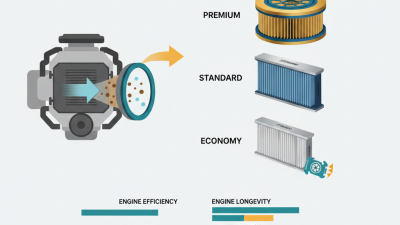
The quality of your car's air filter can significantly impact fuel economy and engine longevity. Studies indicate that a clean air filter can improve fuel efficiency by up to 10%. A dirty air filter restricts airflow, leading to an inefficient combustion process. When the engine works harder to draw air, it consumes more fuel. This simple component can have a profound effect on overall performance.
Additionally, maintaining a high-quality air filter can extend engine life. According to a report by the American Automobile Association, a well-maintained engine can last up to 200,000 miles with proper care. Filtration systems protect the engine from dirt and debris. Over time, neglecting the air filter can lead to costly repairs. Low-quality filters may allow particulates to bypass, increasing wear on engine components.
It’s essential to regularly inspect and replace your air filter. Many drivers overlook this simple maintenance task. Industry recommendations suggest replacing the air filter every 12,000 to 15,000 miles. Ignoring these guidelines may lead to inefficiencies and engine strain. Evaluating the state of your air filter is a small yet crucial part of vehicle management.
Impact of Air Filter Quality on Fuel Economy and Engine Longevity

 Products
 FUEL FILTER
 OIL ELEMENT FILTER
 OIL FILTER
 CABIN FILTER
 AIR FILTER