Essential Auto Parts Filter Tips for Better Car Performance and Maintenance
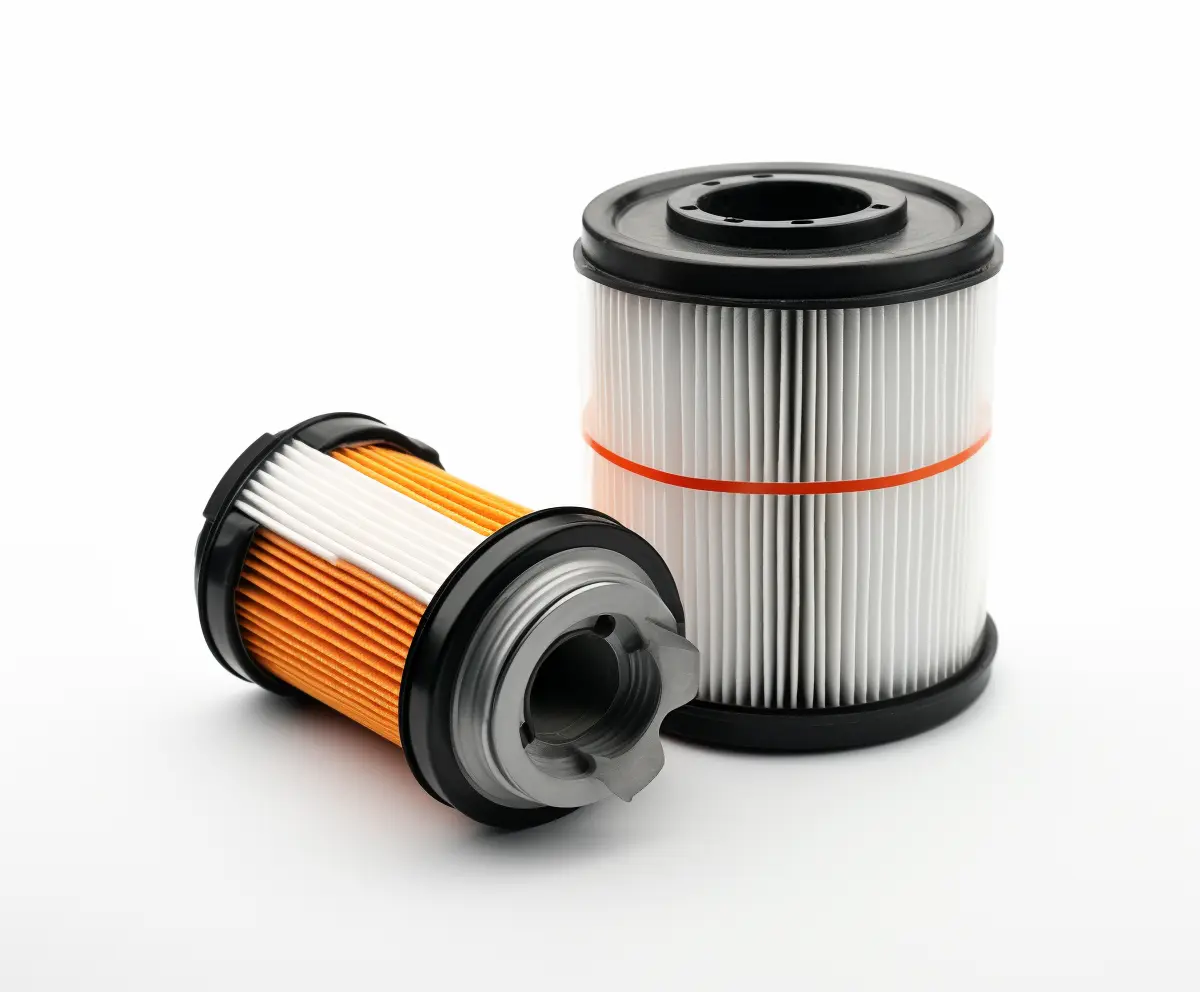
In the automotive industry, the significance of high-quality auto parts filters cannot be overstated. According to a report by the Automotive Aftermarket Suppliers Association (AASA), nearly 80% of vehicle issues arise from inadequate maintenance, with filter quality being a crucial factor in vehicle performance and longevity. Auto parts filters, including oil, air, and fuel filters, play a fundamental role in ensuring that engines operate efficiently, reducing wear and tear, and ultimately prolonging a vehicle's lifespan.
Research indicates that using inferior quality filters can lead to a 10-20% decrease in fuel economy and a significant reduction in engine performance (EPA, 2020). Moreover, effective filtering systems can help to minimize harmful emissions, contributing to environmental sustainability. Given these findings, it is essential for vehicle owners and maintenance professionals alike to understand the importance of selecting the right auto parts filters, ensuring not only optimal vehicle performance but also compliance with environmental regulations. By prioritizing filter quality and maintenance, drivers can enhance their vehicle's reliability and efficiency, transforming their driving experience while aiding in the preservation of our environment.
Types of Essential Auto Parts Filters in Vehicles
When it comes to maintaining optimal car performance, understanding the types of essential auto parts filters is crucial.
Filters play a vital role in ensuring that various systems within the vehicle operate smoothly and efficiently. The primary types of filters include
air filters, oil filters, fuel filters, and
cabin air filters, each serving a distinct purpose that enhances the overall functionality of the vehicle. According to
the Automotive Maintenance and Repair Association, regular replacement of these filters can improve engine performance by up to
10%, leading to more efficient fuel consumption and reduced emissions.
Air filters are designed to prevent dirt and debris from entering the engine, which can help improve airflow and enhance combustion efficiency.
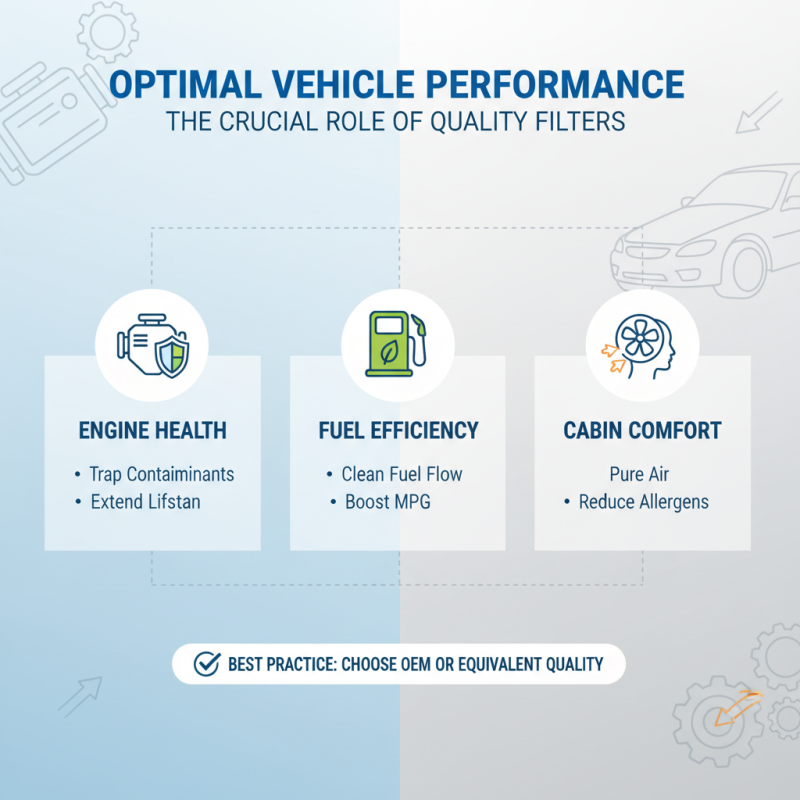
Oil filters, on the other hand, play a critical role in maintaining engine health by removing contaminants from engine oil, significantly extending
the life of the engine. Fuel filters ensure that only clean fuel reaches the engine, which is vital for optimal combustion and performance.
Furthermore, cabin air filters contribute to passenger comfort by filtering out pollutants and allergens, ensuring clean air circulates within the vehicle.
A report by the National Institute for Automotive Service Excellence highlights that neglected filters can lead to reduced engine power, decreased fuel mileage, and even costly repairs,
further emphasizing the importance of regular maintenance.
Regularly inspecting and replacing these essential filters not only improves vehicle performance but also aids in overall maintenance. The
U.S. Department of Energy suggests that a well-maintained vehicle can return 25% more fuel economy than a poorly
maintained one. By prioritizing filter replacements, vehicle owners can ensure longevity and efficiency, ultimately benefiting their driving experience
and the environment.
Importance of Regular Filter Maintenance for Car Performance
Regular filter maintenance is crucial for optimal car performance and longevity. The filters in your vehicle serve as the first line of defense against contaminants that can harm the engine and essential systems. Over time, oil, air, and fuel filters can become clogged with dirt and debris, leading to decreased efficiency and performance. When filters are not regularly maintained or replaced, the engine struggles to draw in clean air and fuel, resulting in poor acceleration, reduced fuel economy, and potential engine damage.
In addition to enhancing performance, regularly checking and replacing filters can help prolong the lifespan of various engine components. For instance, a clean air filter allows the engine to breathe properly, improving combustion efficiency and reducing harmful emissions. Similarly, a well-maintained oil filter ensures that the engine oil remains free from particles, enhancing lubrication and reducing wear. This level of preventative maintenance not only improves the vehicle's performance but can also save drivers from costly repairs down the line. Prioritizing filter maintenance is an essential step towards ensuring smooth and reliable vehicle operation.
Signs of Worn or Clogged Filters You Shouldn't Ignore
When it comes to optimizing car performance, one crucial aspect that often gets overlooked is the condition of various filters within the vehicle. Filters play a significant role in ensuring that essential systems such as the engine, air intake, and fuel delivery work efficiently. However, as with any component, filters can become worn or clogged over time, which can lead to a decrease in performance and even potential damage to the engine. According to a recent industry report, about 25% of all car performance issues are linked to neglected filter maintenance, highlighting the importance of regular inspections.
One of the most common signs of a clogged filter is a noticeable decline in engine performance, which may present as sluggish acceleration or difficulty starting the vehicle. Additionally, reduced fuel efficiency is often reported—data indicates that clogged air filters can decrease fuel efficiency by as much as 10%. It’s essential to remain vigilant for these warning signs, as ignoring them can lead to costly repairs down the line.
Tips for maintaining your car's filters include performing regular inspections as part of your routine maintenance schedule, typically every 12,000 to 15,000 miles. Additionally, consider using high-efficiency filters that can capture more contaminants while allowing for optimal airflow. Keeping the engine and air filters clean can significantly improve not only performance but also longevity, ensuring that your vehicle operates smoothly for years to come.
Essential Auto Parts Filter Tips for Better Car Performance and Maintenance
| Filter Type |
Signs of Wear |
Recommended Change Interval |
Impact on Performance |
| Engine Air Filter |
Reduced engine power, strange noises |
15,000 - 30,000 miles |
Poor acceleration, lower fuel efficiency |
| Oil Filter |
Engine knocking, oil leaks |
Every oil change (3,000 - 7,500 miles) |
Dirty oil, increased wear on engine components |
| Fuel Filter |
Difficulty starting, stalling |
20,000 - 40,000 miles |
Poor fuel delivery, engine performance issues |
| Cabin Air Filter |
Unpleasant odors, reduced airflow |
15,000 - 25,000 miles |
Poor air quality, visibility issues |
Step-by-Step Guide to Changing Common Auto Filters
Changing auto filters is a crucial part of vehicle maintenance that can significantly enhance performance. This step-by-step guide will help you effectively change common auto filters such as air filters, oil filters, and fuel filters.
First, start with the air filter, which plays a vital role in ensuring your engine receives clean air. To change it, locate the air filter housing, typically near the engine. Release the clips or screws holding the cover, remove the old filter, and replace it with a new one, ensuring it fits snugly. Regularly checking your air filter can help improve fuel efficiency and prolong engine life.
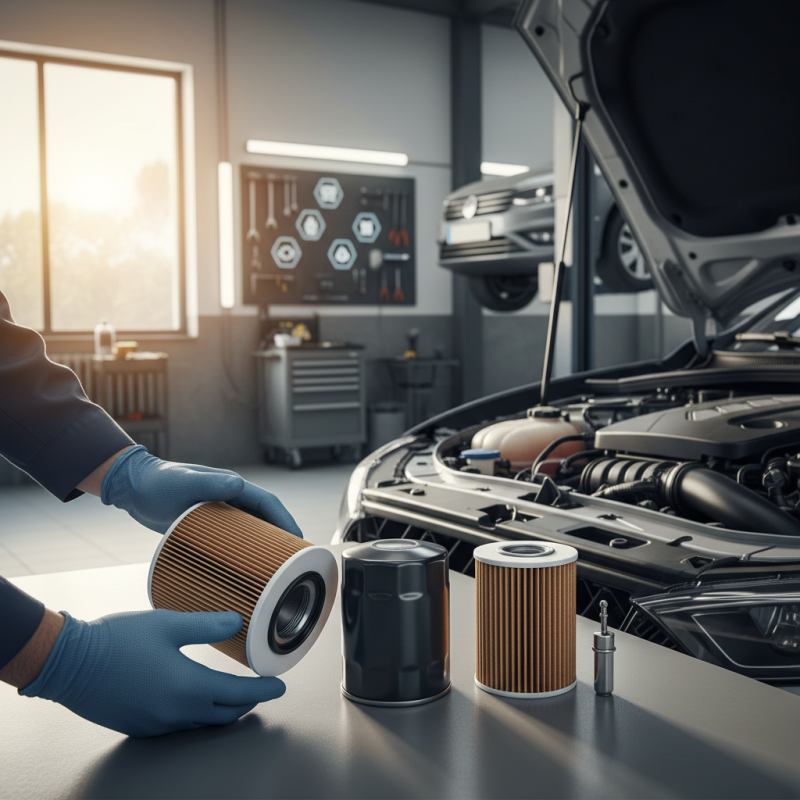
Next, tackle the oil filter. After draining the engine oil, use an oil filter wrench to remove the old filter. Apply a bit of new oil to the rubber gasket of the new filter before installing it. Tighten it snugly, then refill the engine with fresh oil. This simple task can prevent engine wear and improve overall performance.
Lastly, don't overlook the fuel filter, which ensures that dirt and debris do not enter the engine. Changing it typically requires a basic understanding of your fuel system. Always bleed the fuel pressure before starting and follow the specific steps in your vehicle’s manual. Keeping these filters clean and up-to-date can lead to better fuel economy and smoother operation on the road.
Best Practices for Selecting Quality Filters for Your Vehicle
When it comes to maintaining optimal performance for your vehicle, selecting quality filters is crucial. Filters play a vital role in ensuring that your engine, fuel system, and cabin air remain free from harmful contaminants. The right filter not only prolongs the lifespan of your vehicle but also enhances fuel efficiency and overall driving experience. Here are some best practices to consider when choosing filters for your car.
Firstly, always check the specifications. Ensure that the filter meets or exceeds the OEM (Original Equipment Manufacturer) standards for your vehicle model. This helps maintain the integrity of your vehicle's systems and guarantees compatibility. Additionally, pay attention to the filter material; synthetic filters generally provide better filtration and durability compared to standard paper filters.
Secondly, consider the frequency of replacement. High-quality filters often come with a recommended lifespan, but driving conditions and habits can affect replacement intervals. Regularly inspecting and replacing filters based on your driving environment—such as dusty roads or frequent short trips—can significantly impact your vehicle's performance. Keep track of replacement schedules in your maintenance log to ensure you're always using filters that function at peak efficiency. By following these tips, you can enhance your vehicle's performance and ensure a smoother ride.

 Products
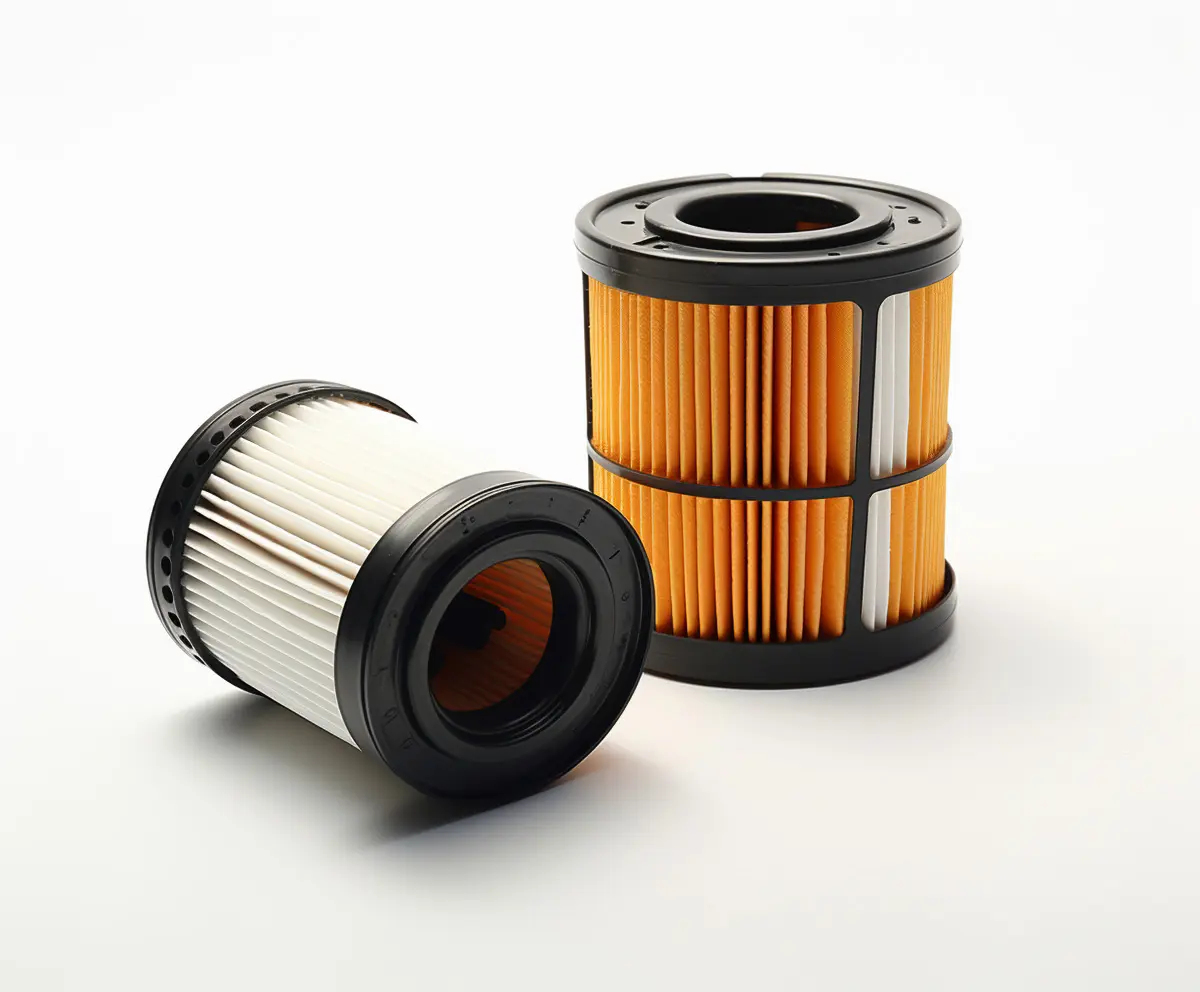
 FUEL FILTER
 OIL ELEMENT FILTER
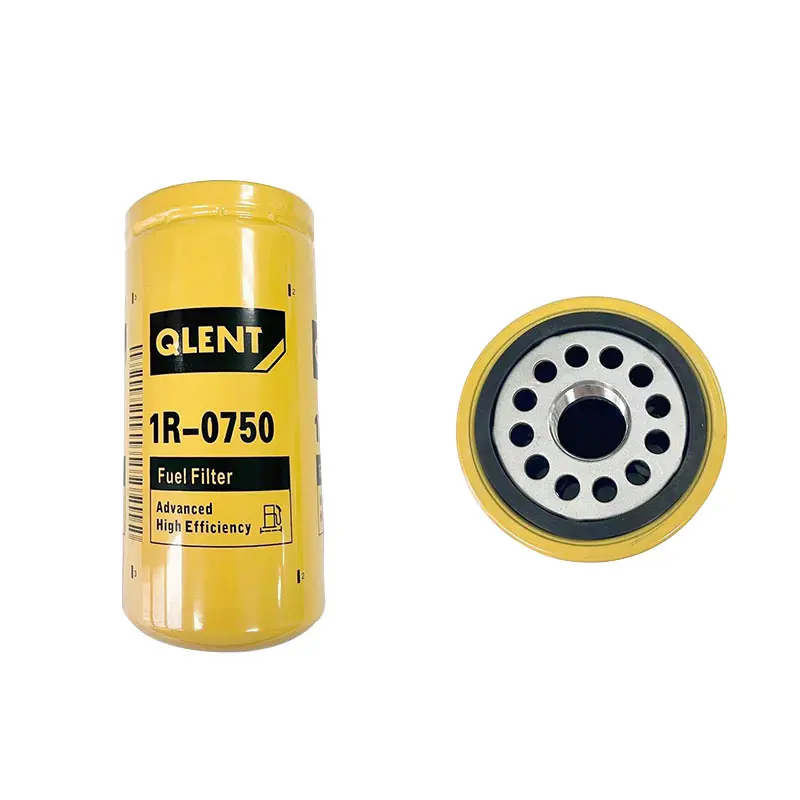 OIL FILTER
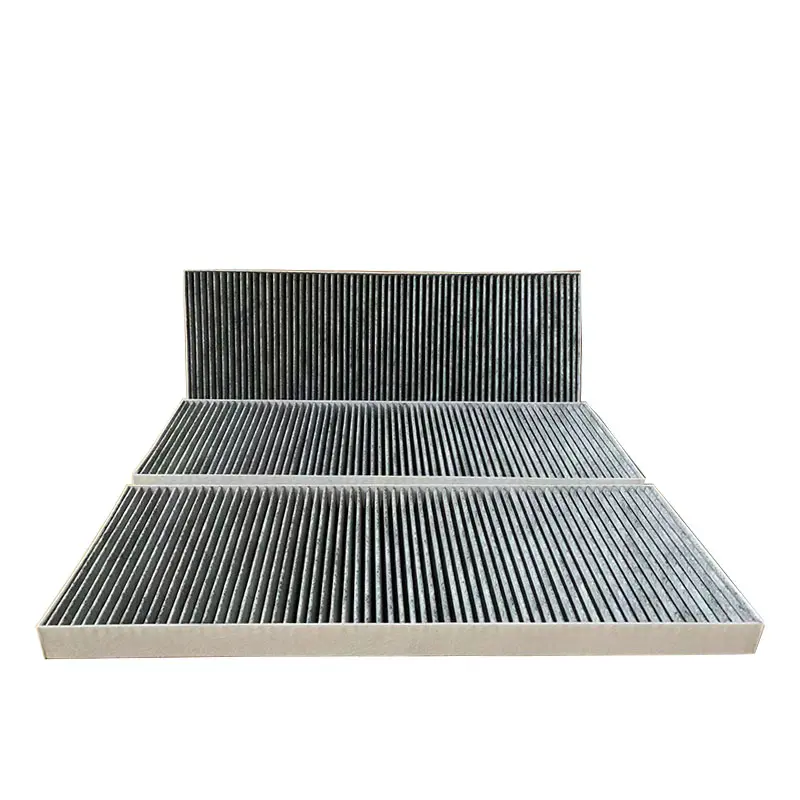 CABIN FILTER
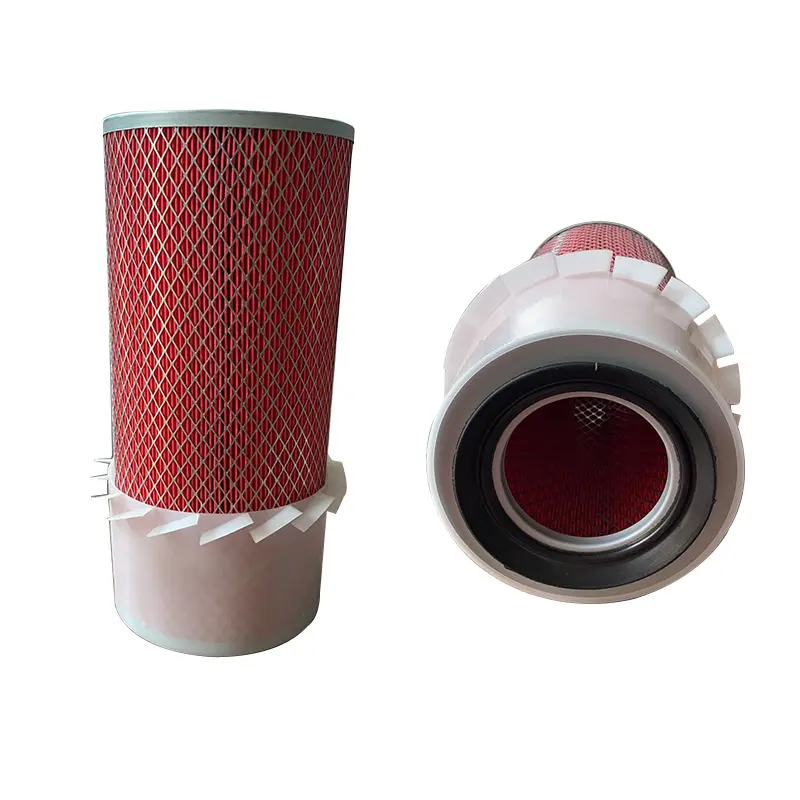 AIR FILTER