What is an Auto Parts Filter and How Does it Work?
Understanding how an Auto Parts Filter functions is essential for maintaining vehicle performance. According to Dr. Emily Carter, an expert in automotive engineering, "A quality auto parts filter ensures the longevity of your vehicle." Filters work by trapping dirt and impurities. This process protects critical components, such as the engine and transmission.
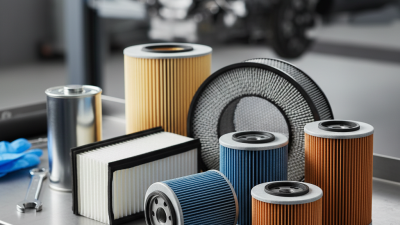
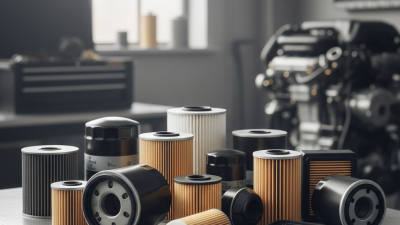
Auto Parts Filters come in various types, including air, oil, and fuel filters. Each type plays a unique role. For instance, air filters block contaminants from entering the engine while oil filters remove debris from engine oil. Without these filters, wear and tear increase, leading to costly repairs.
Many people underestimate the importance of these components. They may overlook necessary maintenance until a problem arises. Regularly checking and replacing filters can enhance efficiency and protect your investment. Ultimately, an Auto Parts Filter is vital in ensuring your vehicle operates smoothly and reliably, reflecting the need for constant awareness in vehicle upkeep.
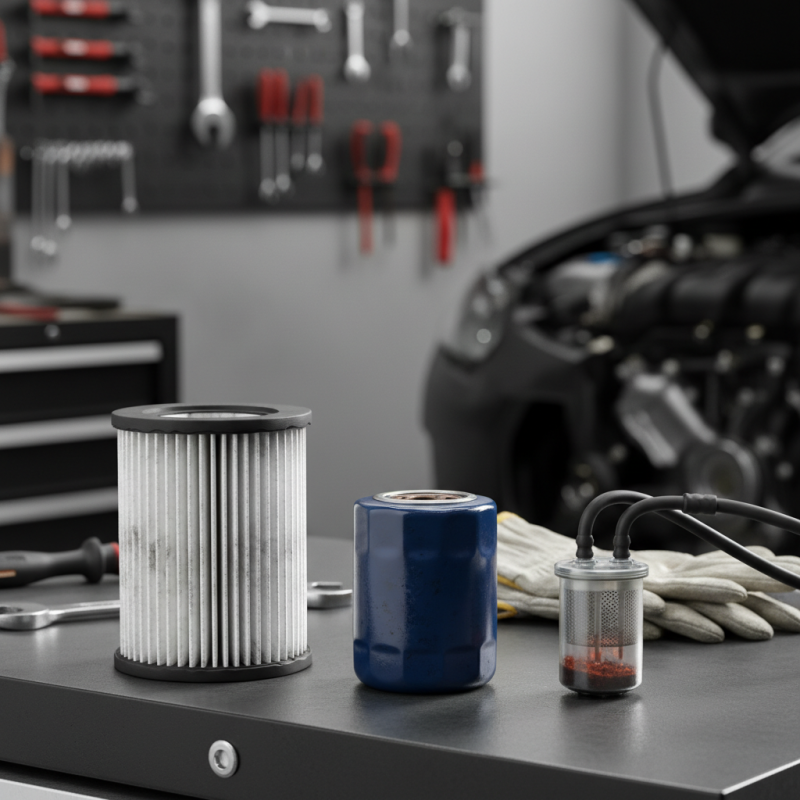
What is an Auto Parts Filter?
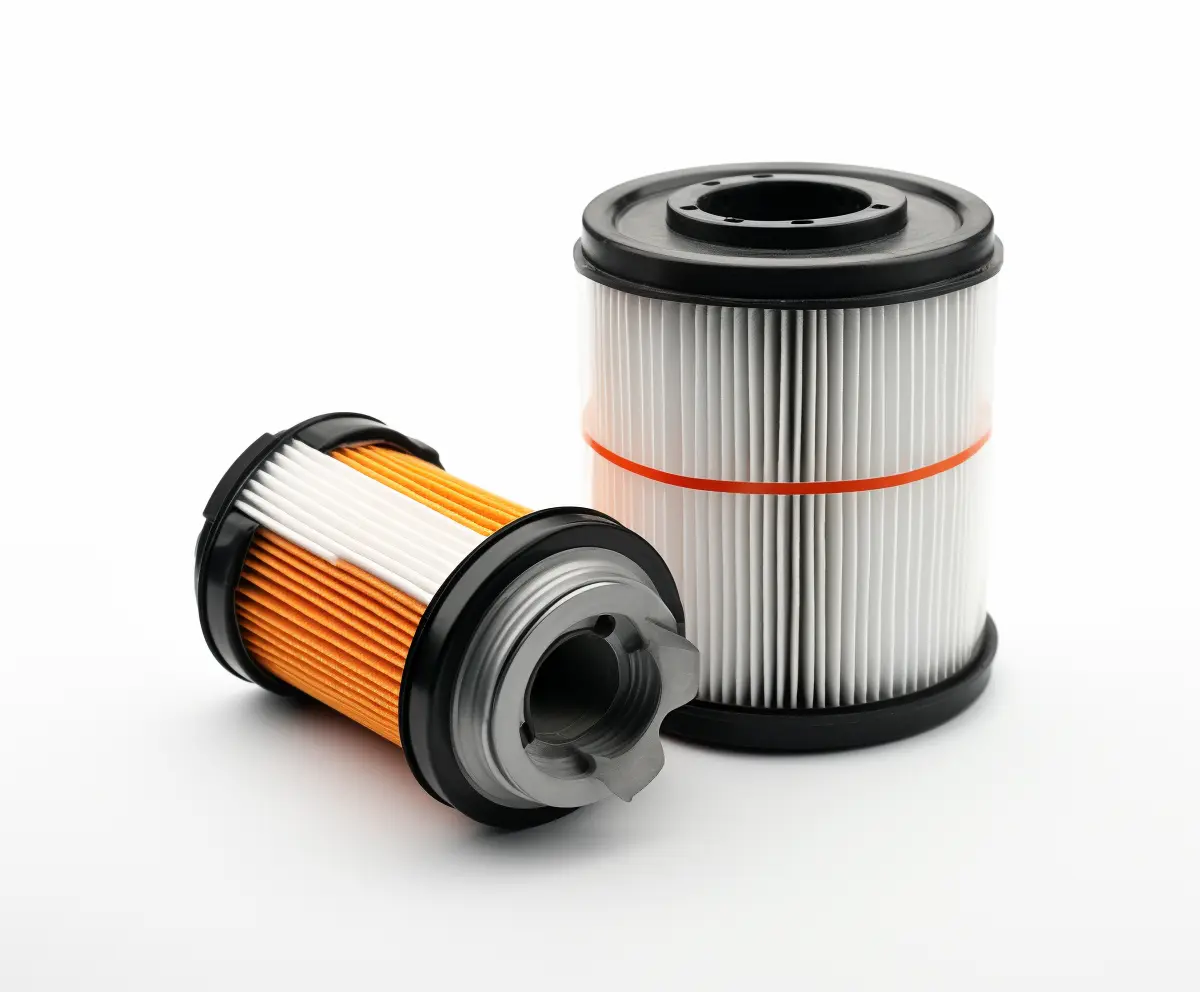
An auto parts filter is a crucial component in vehicles, designed to remove contaminants from various fluids. These filters primarily target oil, air, and fuel, ensuring that the engine and other systems operate smoothly. By trapping dirt, debris, and other unwanted particles, they maintain the purity of fluids and protect the engine's integrity. This reduces wear and tear, ultimately extending the lifespan of the vehicle.
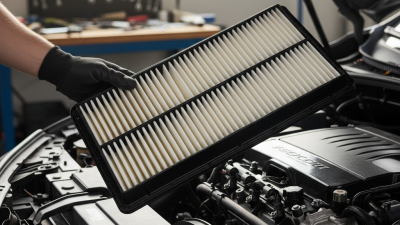
The operation of an auto parts filter is fairly straightforward. For instance, an air filter allows clean air to flow into the engine while blocking harmful particles. A fuel filter serves a similar purpose, ensuring that impurities in fuel do not clog the engine. These filters need regular replacement to function effectively. Over time, they can become saturated with contaminants, which could lead to engine performance issues. It's easy to overlook them, but neglecting filter maintenance can result in costly repairs.
Many car owners may think filters are low-maintenance parts. However, they require periodic checks. Failing to change filters can lead to engine strain, reduced fuel efficiency, and increased emissions. It's essential to consult a reliable mechanic to establish a suitable maintenance schedule. This attention to detail can save significant trouble in the long run.
Types of Auto Parts Filters and Their Functions
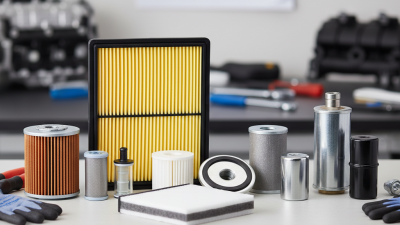
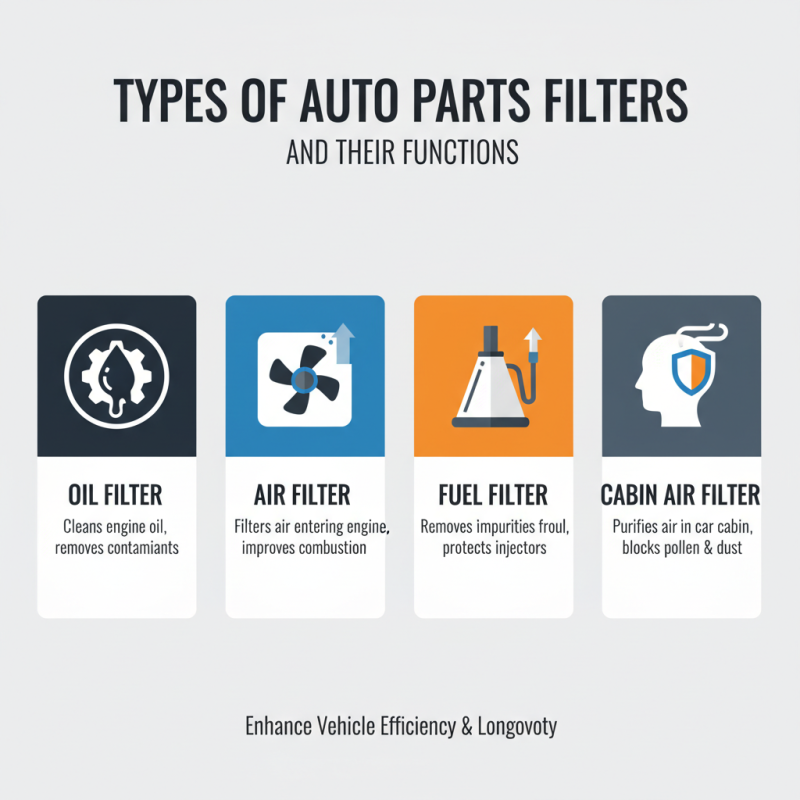
Auto parts filters play a crucial role in maintaining vehicle performance. They act as barriers, ensuring that only clean fluids and air circulate through engines and other systems. The main types include oil filters, air filters, fuel filters, and cabin air filters. Each type serves a unique purpose to prolong the life of vehicles and enhance efficiency.
Oil filters remove contaminants from engine oil, preventing damage to internal parts. They trap dirt and debris that can accumulate during operation. Air filters ensure that only clean air enters the engine. A dirty air filter can reduce engine performance and fuel efficiency. Fuel filters, on the other hand, prevent dirt from entering the fuel system, protecting injectors and pumps. Cabin air filters help maintain a clean environment inside the vehicle, filtering out dust and allergens.
Selecting the right filter is essential, but there are moments when drivers overlook this aspect. Sometimes, a filter might seem fine on the outside, but internally it can be clogged. Regular inspections are key, yet many tend to neglect this routine check. A thorough understanding of these filters can empower vehicle owners to make better decisions regarding their maintenance.
How Auto Parts Filters Work Mechanically
Auto parts filters play a crucial role in maintaining vehicle performance. They remove contaminants from fluids like oil, fuel, and air. This filtration process is vital for protecting the engine and other vital components. A clean filter ensures that harmful particles do not cause wear and tear over time.
Mechanically, auto parts filters use various methods to trap dirt and debris. They might feature paper, foam, or metal mesh, depending on their purpose. The flow of fluid forces contaminants into the filter medium, where they get trapped. This physical barrier prevents harmful substances from circulating through the engine. As a result, it enhances efficiency and prolongs the lifespan of crucial parts.
However, filters are not foolproof. They can become clogged if not changed regularly. A clogged filter may restrict fluid flow, leading to reduced performance. Drivers may notice sluggish acceleration or decreased fuel efficiency. This highlights the importance of regular maintenance and awareness. Ignoring these signs can lead to more significant issues down the line. Ultimately, understanding the mechanics of filters can empower vehicle owners to make informed decisions.
Signs of a Failing Auto Parts Filter
A failing auto parts filter can lead to significant issues in vehicle performance. One key sign of filter failure is reduced engine efficiency. A clogged filter can severely restrict airflow. This results in poor fuel combustion, affecting overall power. According to the Automotive Aftermarket Parts Industry Report, approximately 30% of vehicles experience performance drops due to filter issues.
Another sign is unusual noises from the engine. If the filter becomes too dirty, air and fuel mixtures can create knocking sounds. Drivers may notice a decrease in acceleration as well. Dust and debris hinder the flow, making it difficult for the engine to respond. Research indicates that timely replacement of filters can improve engine performance by up to 20%.
Lastly, check engine lights can illuminate due to filter problems. This warning should not be ignored. Failing filters compromise vehicle safety and can lead to expensive repairs. Awareness of these signs allows for prompt maintenance, ensuring that vehicles run efficiently while reducing unnecessary costs.
Maintenance Tips for Auto Parts Filters
Auto parts filters play a crucial role in maintaining vehicle performance. Regular maintenance is key to ensuring they function properly and last longer. A dirty or clogged filter can lead to engine issues, increased fuel consumption, and even costly repairs. It’s crucial to inspect and replace auto parts filters according to the vehicle's maintenance schedule.
To keep filters in top shape, check them regularly. Look for any signs of damage or excessive dirt buildup. Air filters should be clean and free of debris, while fuel filters need to be changed to prevent clogging. Using high-quality filters can significantly enhance a vehicle's performance. Keep in mind that some filters take longer to show signs of wear, making regular checks essential.
Cleaning or replacing these filters may seem tedious, but neglecting them can lead to worse problems. Additionally, consider using tools specifically designed for filter maintenance. Some filters may need special attention based on their location or type. Staying proactive with auto parts filter maintenance can save you time and money in the long run.

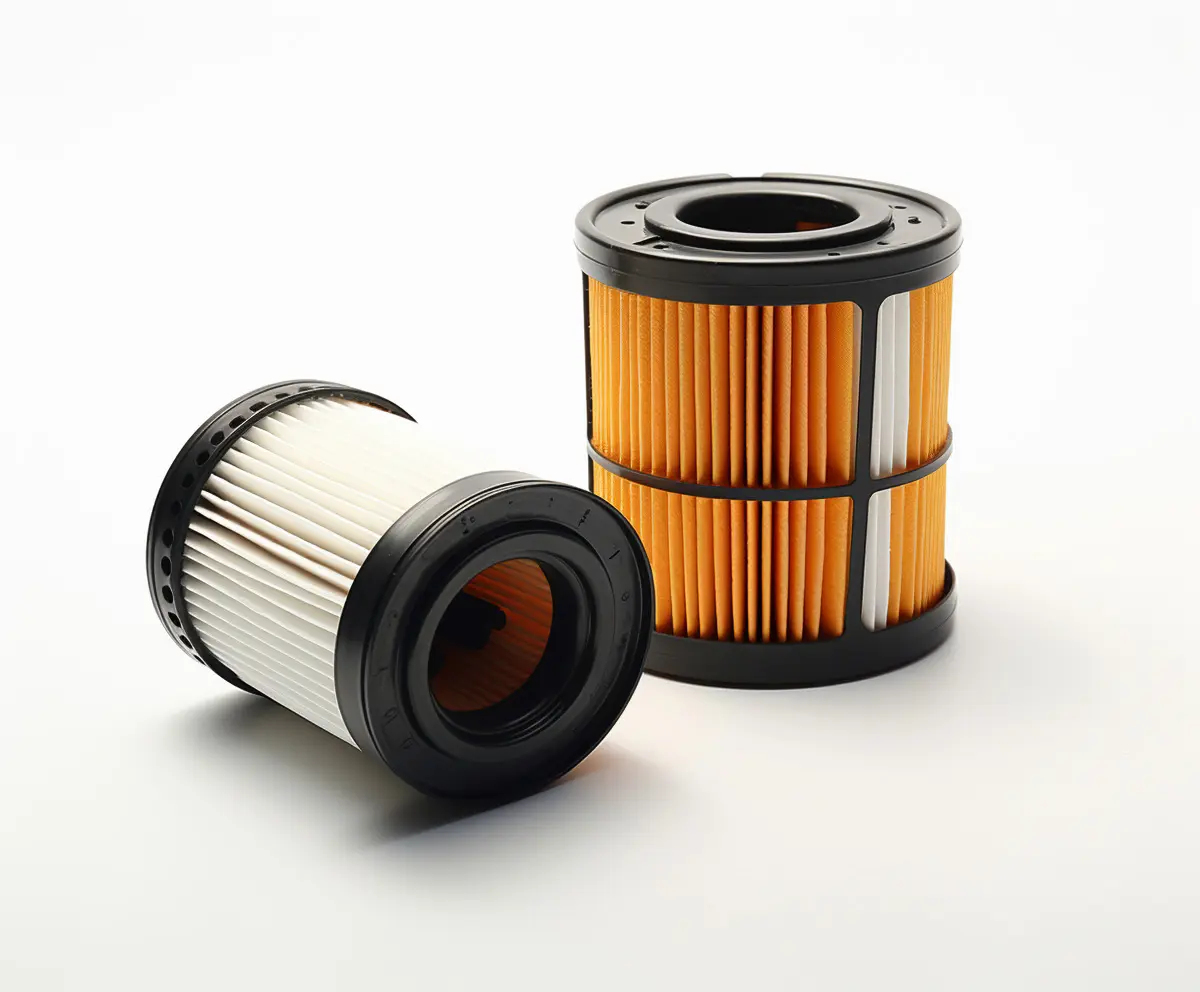 Products
 FUEL FILTER
 OIL ELEMENT FILTER
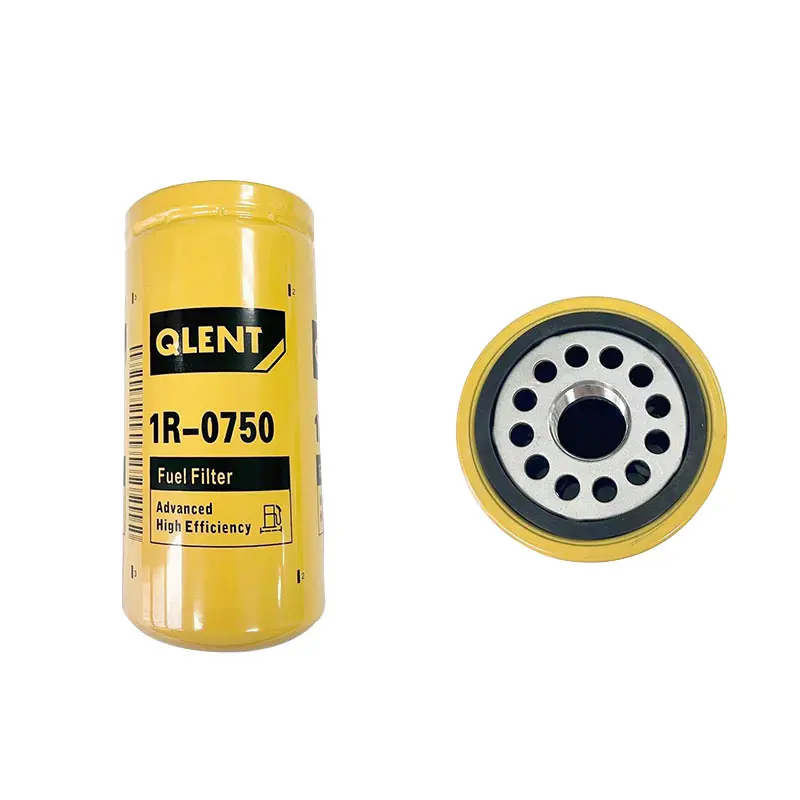 OIL FILTER
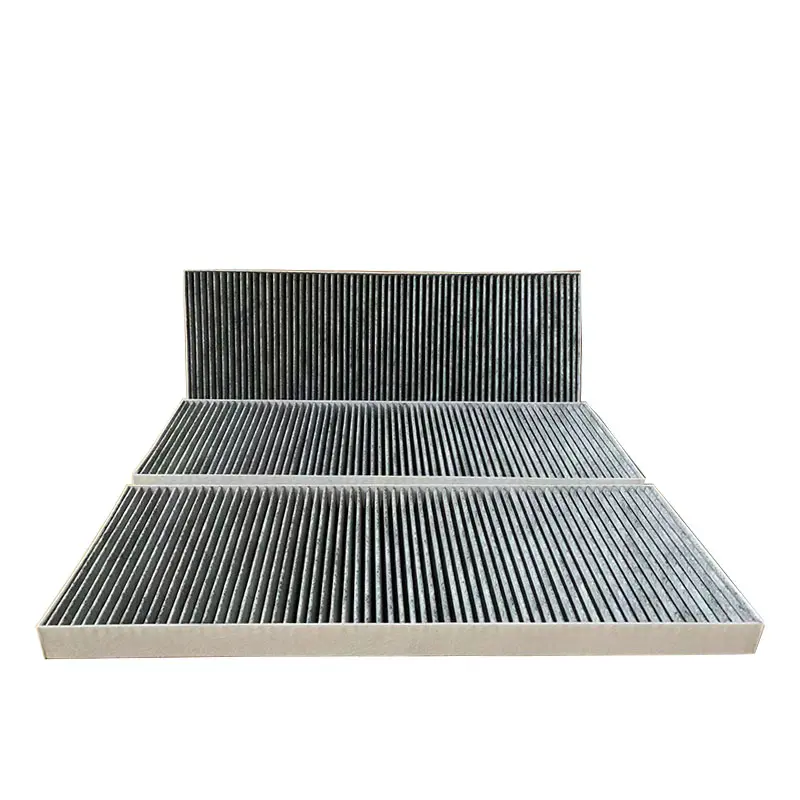 CABIN FILTER
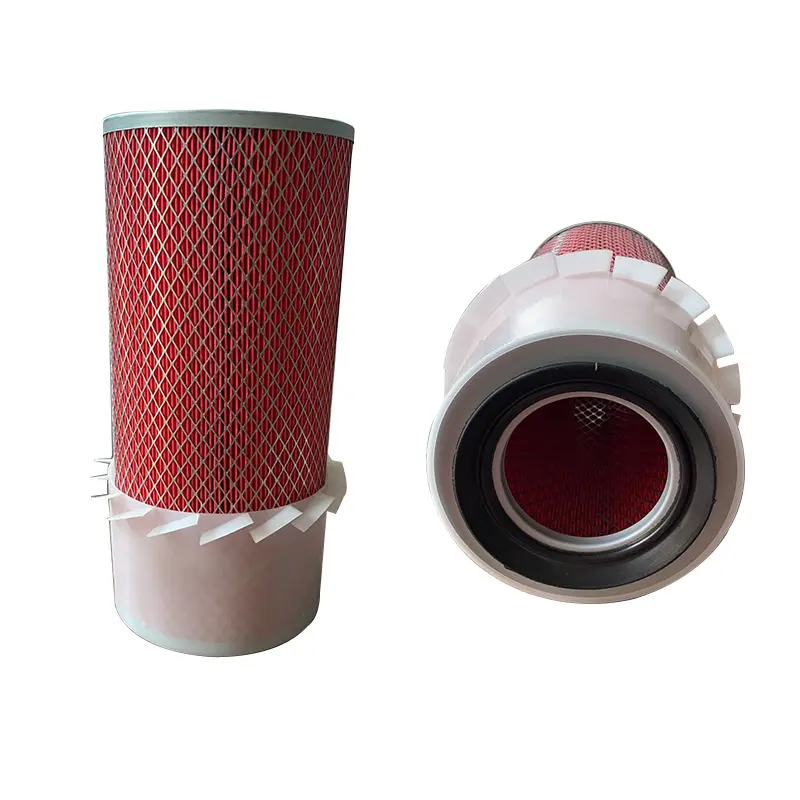 AIR FILTER