Top Air Conditioning Filter Trends for 2026 What Buyers Need to Know
As the demand for efficient climate control rises, the importance of Air Conditioning Filters cannot be overstated. According to the latest report by the American Society of Heating, Refrigerating and Air-Conditioning Engineers (ASHRAE), up to 50% of energy costs in homes stem from heating and cooling. This statistic highlights the critical role air filters play in enhancing air quality and energy efficiency. Industry expert Dr. Emily Carter emphasizes this point, stating, "Choosing the right air conditioning filter can save homeowners substantial energy costs while improving indoor air quality."
In 2026, advancements in filter technology are expected to revolutionize the market. New materials and designs promise better filtration capabilities and longer-lasting performance. For instance, high-efficiency particulate air (HEPA) filters are becoming more accessible for residential use. However, many consumers remain unaware of these options, leading to missed opportunities for cost savings and healthier living environments.
Yet, with innovation comes complexity. Consumers often face confusion about the best choices for their specific needs. The challenge lies in balancing filter efficiency with maintenance costs. Understanding these trends is crucial for buyers navigating the evolving landscape of Air Conditioning Filters in the coming years.

Emerging Technologies in Air Conditioning Filters for 2026
As we approach 2026, air conditioning filters are set to undergo significant transformations. Emerging technologies are reshaping how we think about air quality and energy efficiency. These innovations are not just improvements; they are redefining the standards for air filtration.
One notable trend is the integration of smart technology into air filters. These devices can monitor air quality in real-time. They provide alerts when it's time to replace filters. This feature enhances convenience and encourages proactive maintenance. Users can experience improved air quality without constant vigilance. Form and function are evolving as well. The use of advanced materials allows for thinner, more efficient filters. This reduces energy consumption while maintaining high filtration standards. These developments point towards a greener future in home climate control.
However, the rapid advancements also present challenges. Consumers might feel overwhelmed by choices. New technologies can demand a learning curve. Not all products will be equally effective or user-friendly. It’s essential to approach these innovations with a critical eye, ensuring they truly meet individual needs. Understanding the nuances of air filtration will be vital for making informed decisions in 2026.
Eco-Friendly Filter Materials and Their Impact on Air Quality
As we approach 2026, the air conditioning filter market is evolving towards more eco-friendly materials. Buyers are increasingly concerned about indoor air quality. Eco-friendly filters are made from sustainable materials, such as recycled fibers and natural substances. These materials not only reduce environmental impact but also improve air cleanliness.
Using eco-friendly filters can positively affect respiratory health. These filters trap allergens effectively, ensuring cleaner air for families. However, the market is filled with options, making it confusing for consumers. Not all eco-friendly filters perform equally well, and some may have limitations in durability or filtration efficiency.
Buyers should research carefully before making a decision. Consider the certifications and testing results of the filters. Understanding how these materials impact air flow and filtration capacity is crucial. Many filters come with misleading claims, so skepticism may be needed. Ultimately, focusing on quality and proven effectiveness will lead to better home air quality and well-being.
Smart Filter Innovations: Enhancing Efficiency and Convenience
As we move towards 2026, air conditioning filters are becoming smarter and more efficient. Innovations in design and technology are leading the way.
For instance, many filters now come equipped with sensors. These sensors can detect air quality in real-time. They adjust their filtration levels accordingly, promoting better indoor air quality.
Moreover, convenience is critical. Users can connect filters to mobile apps. This technology allows you to monitor your filter's status from your smartphone. Some filters even send reminders for replacements. Yet, reliance on technology raises concerns. Not all users find these smart features easy to utilize. Complexity can lead to frustration.
Another trend includes eco-friendly materials. Many modern filters are made from sustainable resources. They are designed to capture small particles effectively. However, the challenge lies in balancing cost with performance. Buyers may hesitate to invest in higher-priced options. This dilemma can lead to confusion when selecting the best filter. Understanding these nuances is crucial for making informed choices.
Consumer Preferences Driving Air Conditioning Filter Designs
As we move toward 2026, consumer preferences significantly shape air conditioning filter designs. Recent surveys indicate that 75% of buyers prioritize energy efficiency when selecting filters. This focus reflects a broader trend in the HVAC industry. Consumers now seek products that enhance indoor air quality while minimizing energy costs. High-efficiency particulate air (HEPA) filters are becoming more popular due to their superior filtration capabilities. However, challenges remain, as not all filters can meet these high standards.
Moreover, convenience and sustainability are crucial drivers of filter innovation. Many consumers are looking for reusable or washable options, with reports showing a 40% increase in interest in eco-friendly choices. The shift towards sustainability is evident, but some buyers remain hesitant due to maintenance concerns. A recent industry report highlighted that 30% of users would prefer disposable filters if maintenance were a hassle. This reveals the ongoing struggle between environmental responsibility and practicality.
Additionally, smart technology integration is changing consumer expectations. Filters that provide real-time monitoring capabilities are becoming desirable. These filters can signal when it's time to replace or clean them. According to industry studies, nearly 50% of consumers expressed interest in smart air quality monitors. However, there are concerns about the reliability of data from such devices. Manufacturers need to ensure accuracy and usability to foster trust in these smart products. The balance between innovation and user comfort is delicate yet essential.
Key Features to Consider When Choosing Air Filters in 2026
When selecting air filters for 2026, understanding their key features is vital. Efficiency is paramount. Look for filters with a high MERV rating, which indicates superior filtration capabilities. These filters trap smaller particles, enhancing indoor air quality. Moreover, consider the filter's lifespan. A longer-lasting filter can save both time and money on replacements.
The material of the filter also matters. Synthetic options can provide better airflow and filtration compared to traditional fiberglass. Some filters even include activated carbon to reduce odors. This added benefit is essential for homes with pets or smokers. A filter with antimicrobial properties can inhibit mold growth, further improving the air quality.
Buyers need to reflect on their specific needs. Not all filters fit every system. Compatibility is crucial to ensure efficient operation. While efficiency and material are important, cost shouldn't be ignored. Sometimes, higher-priced filters promise more but don’t deliver significant improvements. Research is key. Don’t hesitate to consult HVAC professionals for tailored advice. In the ever-evolving landscape of air filters, staying informed will lead to better choices.

 Products
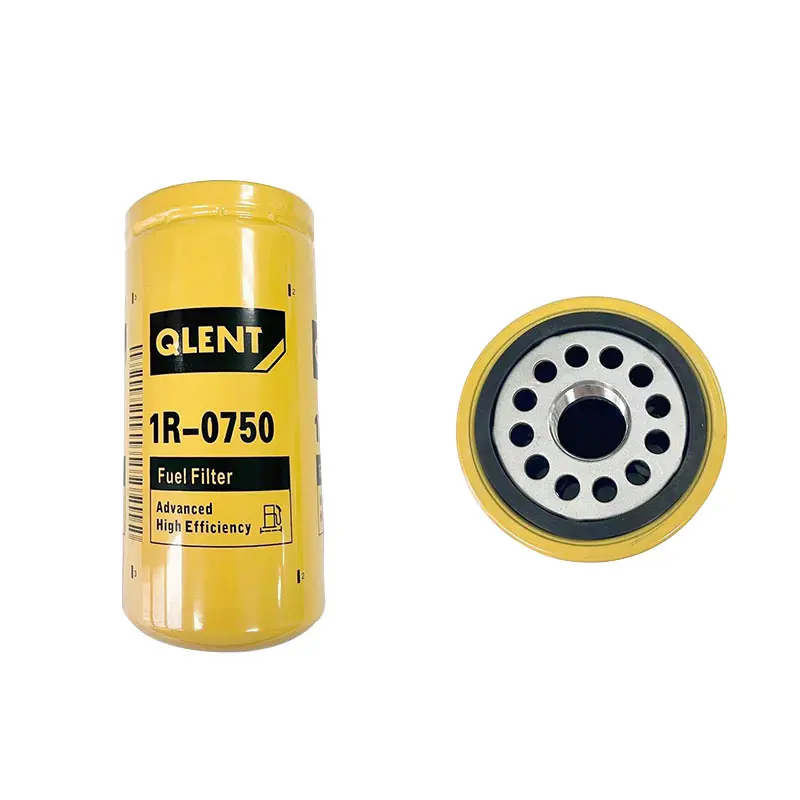
 FUEL FILTER
 OIL ELEMENT FILTER
 OIL FILTER
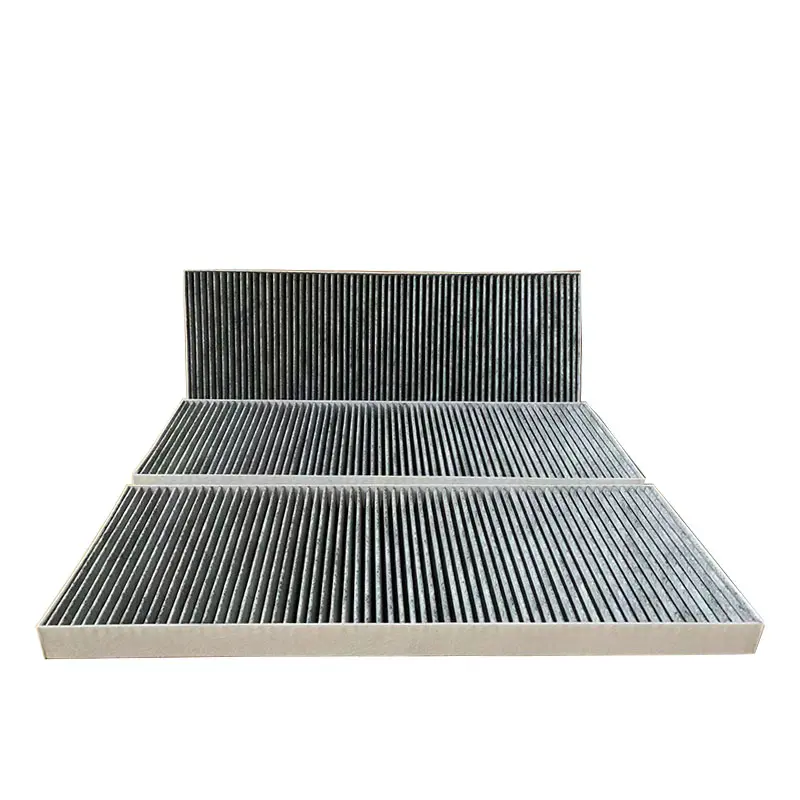 CABIN FILTER
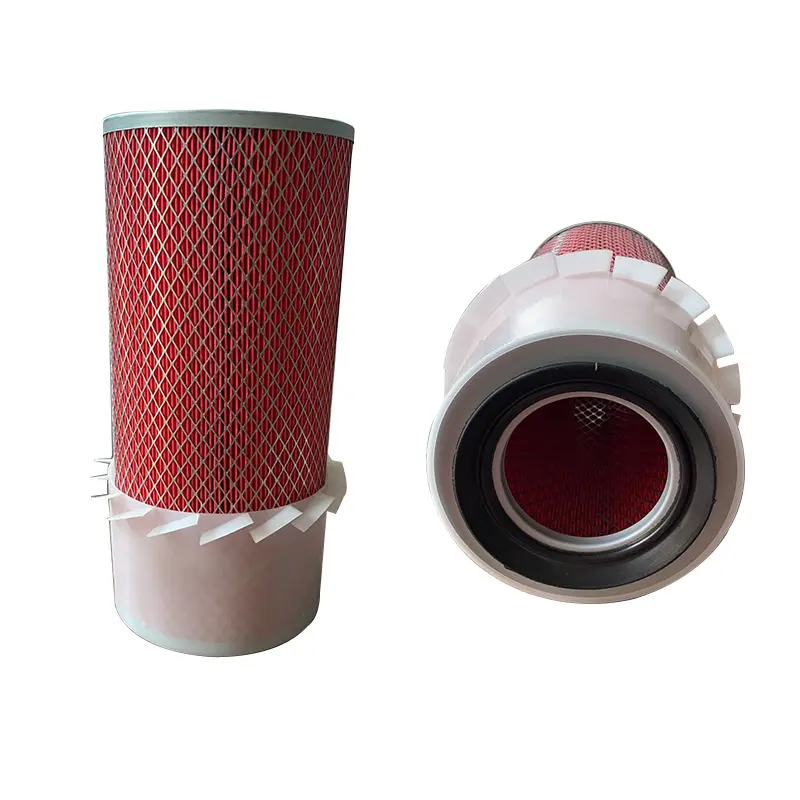 AIR FILTER